327 Central Park West (Suite 1A), New York, NY 10025


Millions of Americans are living with misaligned, crowded, or crooked teeth, and many of them have no idea that a discreet, comfortable solution is well within reach. From coast to coast, adults and teenagers alike are discovering the power of discreet aligner therapy to transform their smiles without the hassle of traditional metal braces. Whether you’re a working professional, a college student, or a parent of a teenager, you may be wondering whether this type of treatment is right for you.
At Central Park West Orthodontics, our team works with patients from all walks of life across New York City. As a trusted orthodontist in New York, we understand that every smile is unique, and candidacy for aligner treatment depends on a number of personal and clinical factors. This guide breaks down the key signs that indicate you may be an excellent candidate for this transformative orthodontic option.
Signs That Indicate You Are a Good Candidate for Transparent Aligners
Not everyone is automatically suited for transparent aligner therapy, but the good news is that most people with mild-to-moderate orthodontic concerns qualify. Below are the most important indicators of a positive outcome with this type of treatment.
- You Currently Have Good Oral Health
One of the most fundamental requirements for aligner candidacy is a solid foundation of oral health. Before any orthodontic treatment can begin, your teeth and gums must be free from active decay, infection, or gum disease. Attempting to straighten teeth when these underlying issues exist can worsen existing problems and compromise your overall results.
If you’ve been diligent about your dental checkups, brushing and flossing daily, and haven’t had any major cavities or gum concerns recently, that’s a strong sign that your mouth is ready for the process. If there are some existing issues, don’t worry, they can often be treated first, paving the way for you to begin aligner therapy shortly after. The important thing is to start with a clean bill of oral health.
- You Have Mild to Moderate Alignment Issues
These aligners work exceptionally well for a wide range of orthodontic concerns, including crowded teeth, gapped teeth, overbites, underbites, crossbites, and open bites, as long as the issues are mild to moderate. Many Americans face these exact problems and don’t realize how straightforward the correction process can be.
Severely complex cases involving significant jaw misalignment or impacted teeth may require more involved orthodontic intervention, such as traditional braces combined with jaw surgery. However, the majority of patients seen in orthodontic practices across the United States fall into a treatable range for transparent aligners. During your initial consultation, your orthodontist will conduct a thorough evaluation to determine exactly where your case falls on the spectrum.
- You Are A Previous Braces Wearer Experiencing Relapse
Have you worn braces in the past and noticed that your teeth have gradually shifted back out of place? This is an extremely common experience among Americans, especially those who stopped wearing their retainers consistently after completing their original orthodontic treatment. Teeth have a natural tendency to drift back toward their original positions over time, a process known as orthodontic relapse.
The encouraging news is that these orthodontic aligners are often the ideal solution for correcting minor relapses. Since the movement needed is typically less extensive than a full orthodontic case, treatment times may be shorter, and the process less involved. Many patients in this situation find these aligners to be a quick, convenient, and barely noticeable way to restore the results they originally worked so hard to achieve.
- You Are a Teenager Ready for a Discreet Solution
Teenagers across the country are increasingly choosing discreet aligners over traditional metal braces, and it’s easy to see why. The teenage years can be socially challenging enough without the added self-consciousness that often comes with a mouth full of metal brackets and wires. Transparent aligner therapy allows adolescents to straighten their teeth without drawing unwanted attention to their smile.
For families exploring options, Invisalign Teen in New York has become an increasingly popular choice among parents and young patients who want orthodontic results without compromising confidence during the school years. These aligners, designed specifically for teens, typically include compliance indicators and extra sets of replacement trays, features that account for the realities of an active teenage lifestyle. As long as your teenager has most of their permanent teeth in place and demonstrates the maturity to wear the aligners as instructed, they may be an excellent candidate.
- You Are Responsible and Committed to the Process
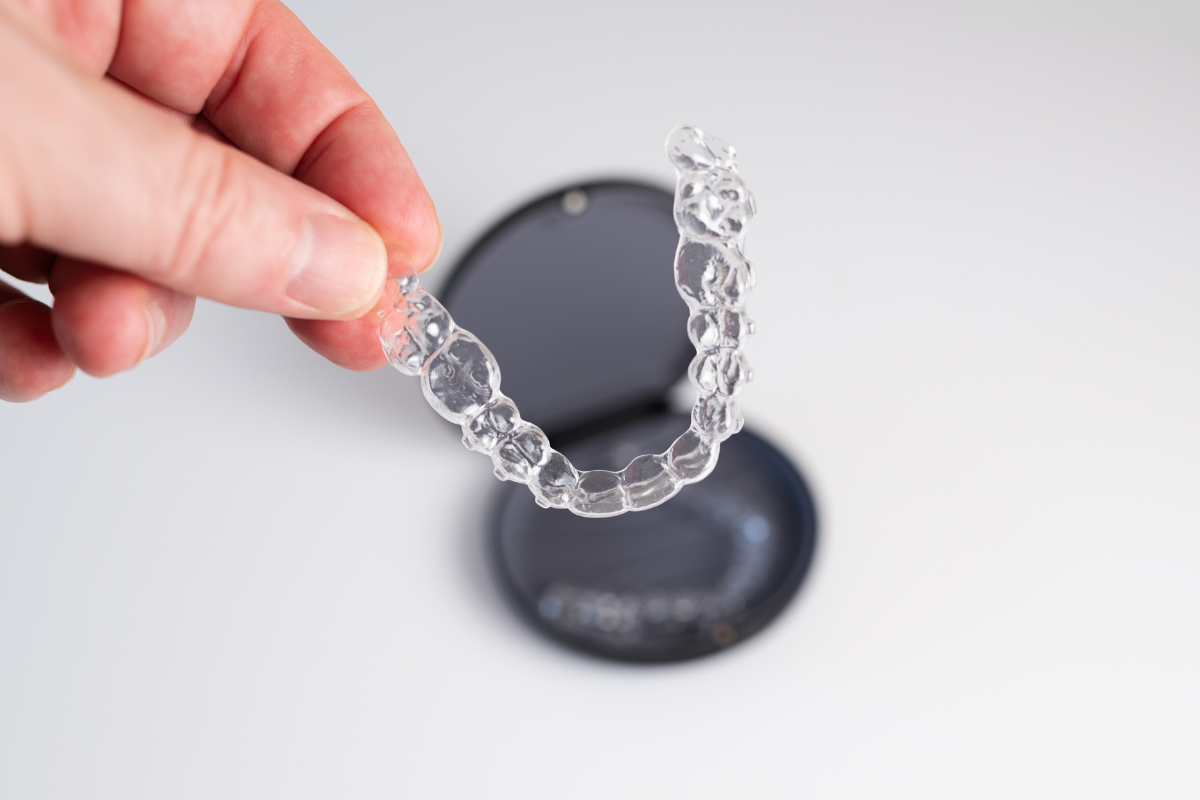
Unlike traditional braces, which are fixed to your teeth and require no effort to keep in place, discreet aligners are removable. This is one of their greatest advantages, but it also means that your level of personal responsibility directly impacts the success of your treatment. Orthodontic professionals recommend that aligners be worn for 20 to 22 hours per day. They should only be removed for eating, drinking anything other than water, brushing, and flossing.
If you are someone who can realistically commit to this wear schedule and follow your provider’s instructions closely, you are exactly the kind of patient who gets outstanding results. People who are disciplined, motivated, and genuinely invested in improving their smile tend to be the best candidates for this type of orthodontic care. Conversely, if you anticipate difficulty in maintaining consistent wear, it’s important to have an honest conversation with your orthodontist so that all your options can be explored.
- You Prioritize a Strong Oral Hygiene Routine
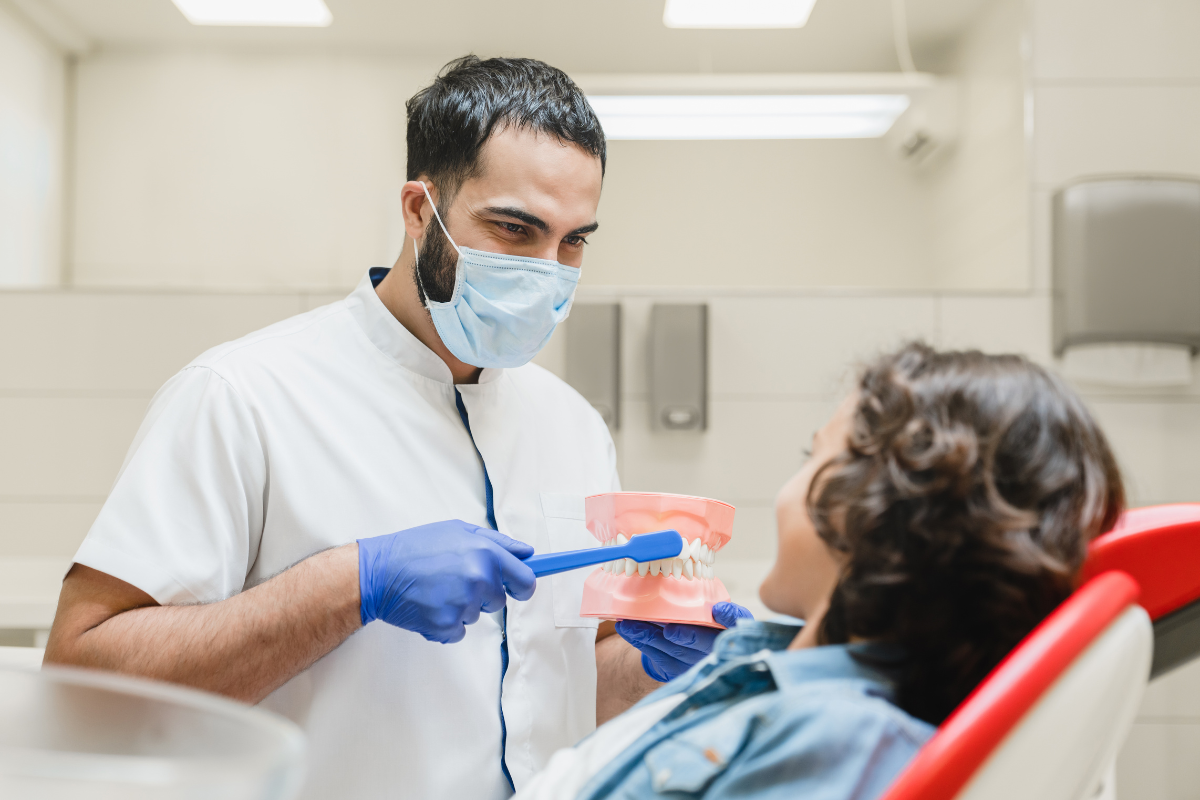
Oral hygiene takes on even greater importance during aligner treatment. Because the aligners fit snugly over your teeth, any food particles or bacteria left behind on the tooth surface can become trapped between the aligner and the enamel, creating conditions favorable for cavities and gum irritation.
Good candidates for this treatment are those who are already committed to brushing after every meal and flossing daily. You’ll also need to rinse and clean your aligners regularly to prevent odor and bacterial buildup. If maintaining these habits feels natural and manageable to you, that’s a clear indicator that you’re ready for the responsibilities that come with transparent aligner therapy.
- You Want a Treatment That Fits Your Lifestyle
Americans lead busy, on-the-go lives. Whether you’re frequently attending client meetings, navigating a demanding academic schedule, or simply enjoying an active social life, transparent aligners are designed to fit seamlessly into your routine. There are no dietary restrictions to follow, no brackets to worry about breaking, and no wires to poke the inside of your cheeks.
The virtually invisible nature of the aligners means you can smile with confidence throughout your entire treatment. If the idea of undergoing orthodontic care without anyone around you even knowing appeals to you, then discreet aligner therapy may be exactly what you’ve been looking for. Many patients describe it as one of the most convenient decisions they’ve ever made for themselves.
- You Are an Adult Seeking to Correct Long-Standing Concerns
A common misconception is that orthodontic treatment is only for children and teenagers. In reality, adults make up a growing and significant portion of orthodontic patients across the United States, and these aligners have played a major role in making that shift possible. Many adults avoided orthodontic treatment during their younger years for a variety of reasons- cost, access, or simply not wanting to wear metal braces as an adult. However, these transparent aligners have finally opened the door for them to address those long-standing concerns.
Whether you’re in your thirties, forties, fifties, or beyond, if your gums and teeth are healthy, there is no age ceiling on orthodontic treatment. Adults who are motivated to improve both the appearance and function of their smile often make the most engaged and consistent patients, which translates directly into excellent outcomes.
What to Expect During Your Initial Consultation
If you identify with several of the signs above, the next step is to schedule a consultation with a qualified orthodontic provider. During this appointment, your provider will take digital scans or X-rays of your teeth and jaw, review your dental and medical history, and assess the nature and severity of your orthodontic concerns.
From there, you will receive a personalized treatment plan that outlines the expected duration of care, the number of aligners in your series, and any additional procedures that may be recommended. This is also the ideal time to ask questions about the process, discuss your goals, and get a clear picture of what your smile transformation will look like from start to finish.
Take the First Step Toward a Straighter Smile
Your smile is one of the first things people notice about you, and it plays a significant role in how you feel about yourself day to day. If you’ve been living with crooked, crowded, or misaligned teeth and have been wondering whether this aligner therapy could be the right solution, the answer for most people is a resounding yes. The key is connecting with the right provider who can evaluate your individual situation and guide you through the process with expert care.
At Central Park West Orthodontics, we’re proud to offer Invisalign in New York to patients who are ready to make a lasting change. Our reliable team is dedicated to helping every patient achieve a healthy, confident, and beautifully aligned smile. Reach out today to schedule your consultation and discover whether you’re a candidate for invisalign treatment.
Frequently Asked Questions
- How do I know if my alignment issues are too severe for invisalign?
These aligners are effective for a broad range of mild to moderate orthodontic issues, including crowding, spacing, overbites, underbites, and crossbites. Cases that are considered severe, such as significant jaw discrepancies or heavily impacted teeth, may require alternative or combined treatment approaches. The only reliable way to know where your case falls is through a clinical evaluation with a licensed orthodontist, who will take digital scans and X-rays to assess your specific anatomy.
- Is there a minimum or maximum age for aligner treatment?
There is no strict age cap on transparent aligner therapy. Adults of any age can pursue orthodontic treatment as long as their teeth and gums are healthy. For younger patients, the main consideration is whether most permanent teeth have erupted. Young teenagers who still have primary (baby) teeth may need to wait until their smile has developed more fully before treatment can begin. Your provider will assess dental maturity during the consultation.
- What happens if I don’t wear my aligners for the recommended number of hours?
Consistent wear is critical to the success of clear aligner treatment. Wearing the aligners for fewer hours than directed can slow tooth movement, cause the aligners to feel tighter or ill-fitting, and extend the overall duration of treatment. In some cases, aligners may need to be replaced, or the treatment plan may need to be revised. Patients who commit to the prescribed wear schedule consistently tend to see the fastest and most predictable results.
- Can I get transparent aligners if I have dental restorations such as crowns or veneers?
Having crowns, veneers, or other dental restorations does not automatically disqualify you from aligner treatment, but it is an important factor your provider will consider. Certain restorations may affect how attachments (small tooth-colored bumps used to guide tooth movement) adhere to the tooth surface. Your orthodontist will assess the type, location, and condition of any restorations during your evaluation to determine how they may impact your treatment plan.
- Will I need to wear a retainer after completing transparent aligner treatment?
Yes. Retention is a standard and essential part of any orthodontic treatment plan, regardless of the type of appliance used. After your final aligner, teeth have a natural tendency to drift without something holding them in place. Your provider will fit you for retainers, either removable or fixed, to preserve your results long term. Wearing retainers as directed is one of the most important things you can do to protect your investment in your smile.