327 Central Park West (Suite 1A), New York, NY 10025


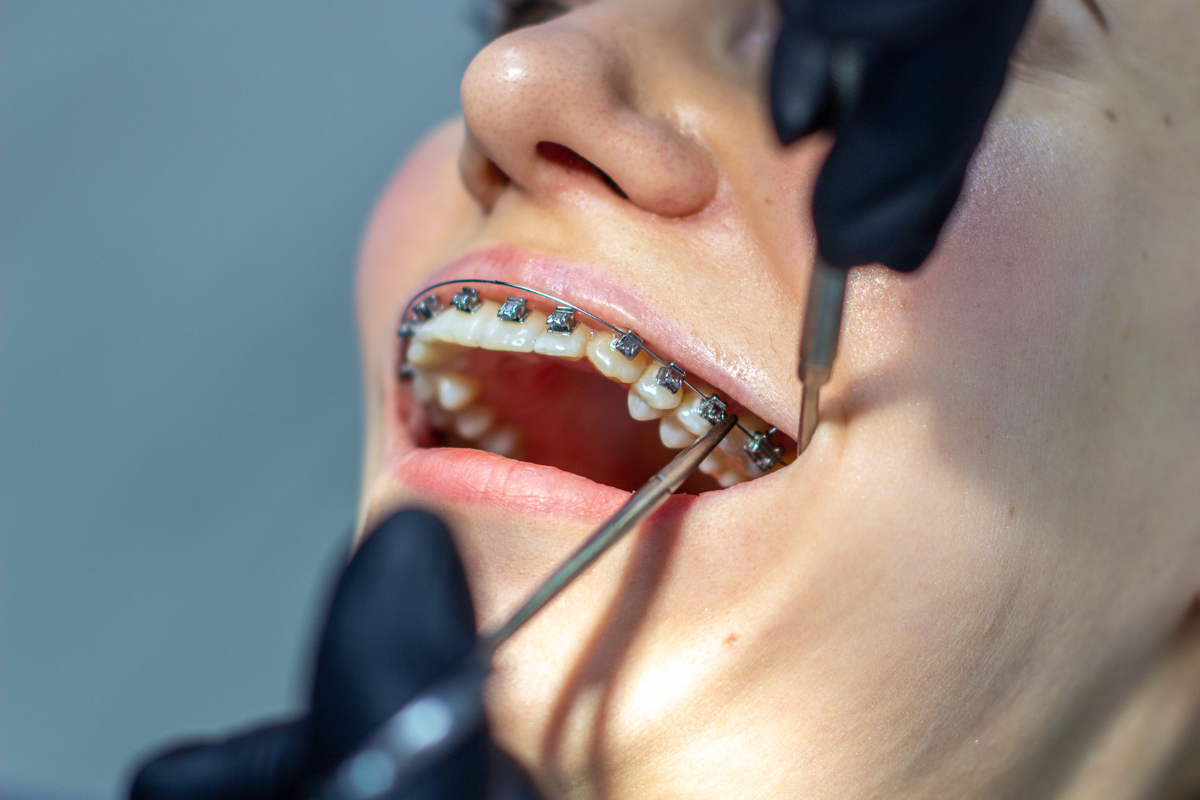
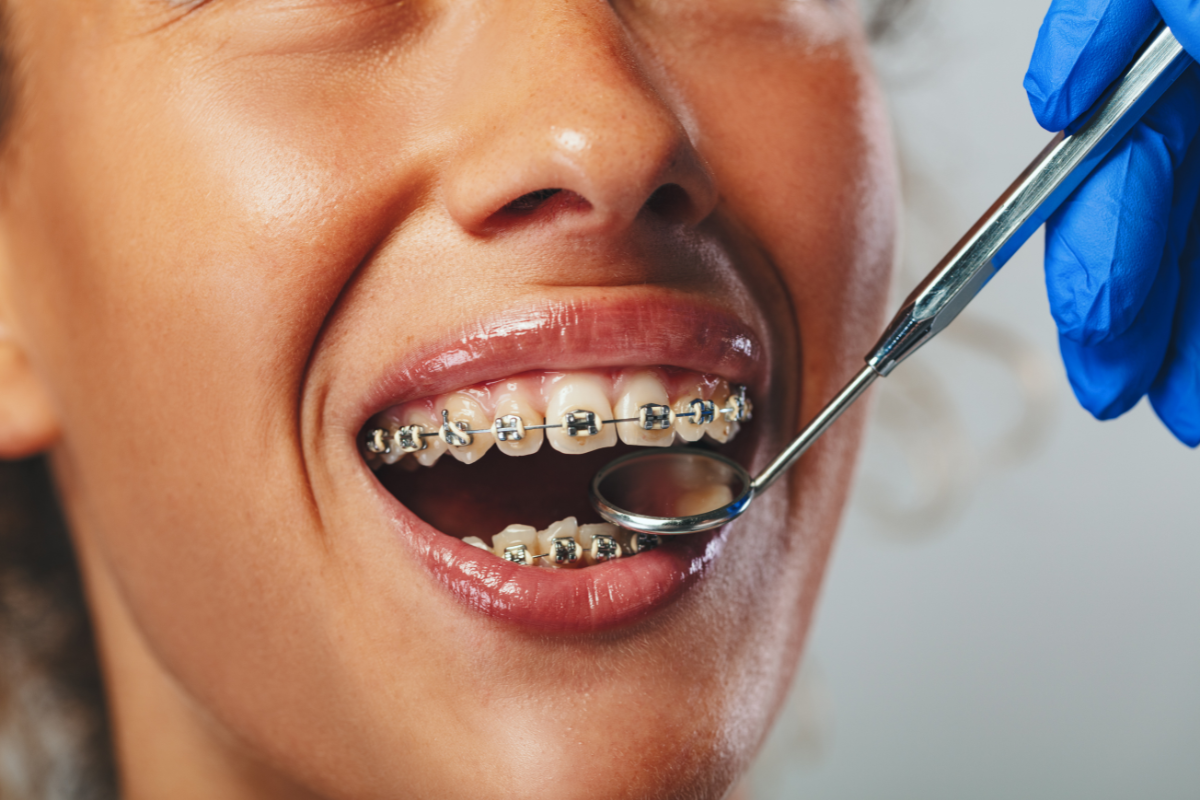
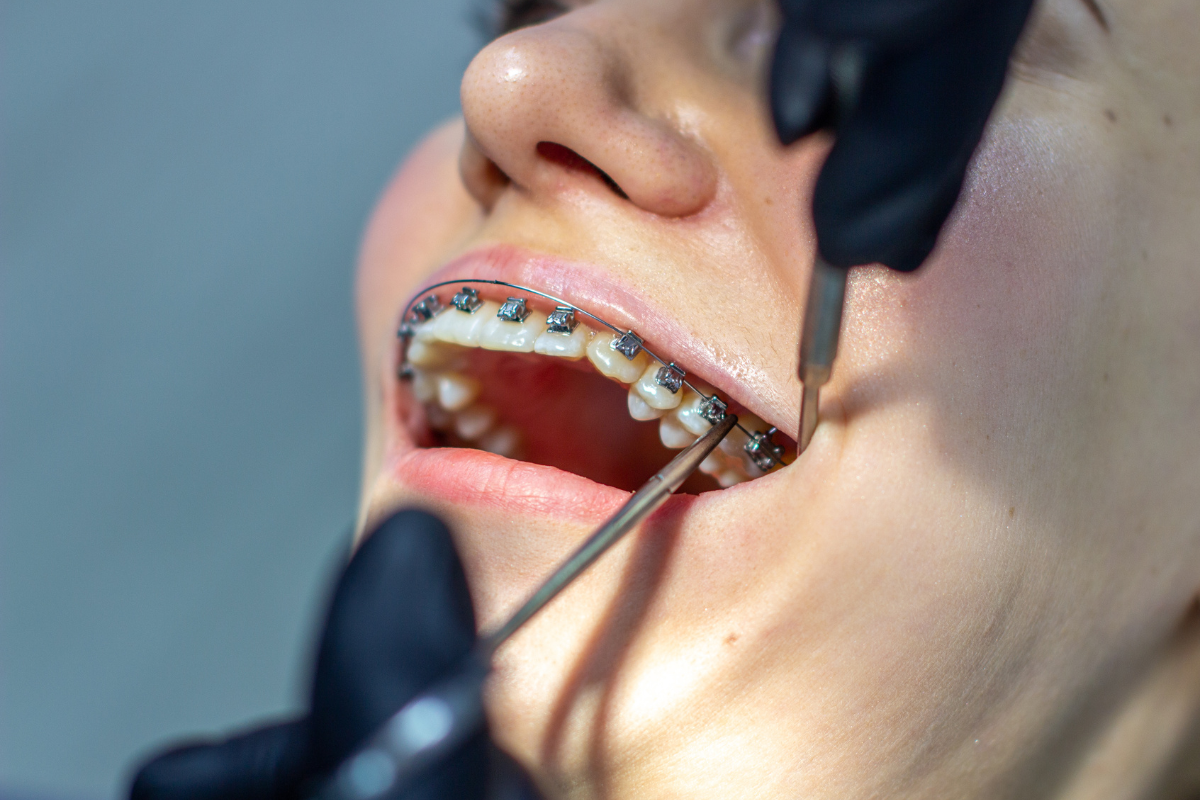
Braces do far more than straighten teeth — they improve chewing efficiency, speech clarity, jaw balance, and long-term oral health by making teeth easier to clean and reducing strain on the bite. If you’re researching an orthodontist in New York for your child (or yourself), here’s what alignment actually affects, when to get evaluated, and how to know if braces are the right next step.
Many parents assume braces are mainly cosmetic. In reality, orthodontic treatment plays a much bigger role in your child’s oral health — improving chewing efficiency, speech clarity, jaw balance, and long-term dental stability. Straight teeth are simply easier to clean properly, which can lower the risk of plaque buildup, cavities, and gum inflammation over time.
That matters even more in a fast-moving city, where kids often eat on the go between school, sports, music lessons, and weekend outings near Central Park, Lincoln Center, or a neighborhood pizza spot on the Upper West Side. Busy routines can make consistent oral hygiene harder — especially when crowded teeth are already trapping food and bacteria in spots a toothbrush can’t easily reach.
At Central Park West Orthodontics, Dr. Mary Eve Maestre and Dr. John C. Dolan provide orthodontic care that focuses on both appearance and long-term oral function. Their team looks at how teeth, bite alignment, jaw development, and facial balance work together to support healthier smiles at every stage of growth. If your child shows signs of crowding, bite imbalance, or shifting teeth, visit our dental office for a professional orthodontic evaluation built around their specific needs.
Why Do Orthodontists Recommend Braces?
Braces do more than improve appearance — they support healthier tooth positioning, balanced bite function, and easier access for brushing and flossing.
When teeth don’t align correctly, the mouth often compensates in ways that put excess pressure on certain teeth and jaw muscles. Over time, this imbalance can contribute to enamel wear, uneven chewing patterns, jaw discomfort, or chronic plaque buildup.
An experienced orthodontist evaluates how the upper and lower arches function together, not just visible crowding. Proper alignment supports healthier oral development and helps reduce the likelihood of future complications.
Common orthodontic problems braces help correct:
- Crowded teeth
- Overbites and underbites
- Crossbites
- Open bites
- Excess spacing between teeth
- Jaw alignment concerns
- Improper eruption patterns
Correcting these issues early often simplifies future treatment and supports healthier long-term oral function.
Can Braces Help Prevent Cavities?
Yes. Straighter teeth are generally easier to clean thoroughly, which can help reduce plaque accumulation and lower cavity risk.
Parents are often surprised by how strongly tooth alignment affects oral hygiene. When teeth overlap tightly, food particles and bacteria collect in areas that floss and toothbrush bristles struggle to reach — even for kids with good brushing habits.
This becomes especially important in a city full of quick meals and after-school treats. Whether it’s a bagel before class, a pastry near a Broadway café, or a slice from a longtime Manhattan pizza counter, sticky carbs and sugars linger longer around crowded teeth when cleaning access is limited.
A trusted orthodontist in NYC may recommend treatment partly because improving alignment supports healthier brushing and flossing habits throughout childhood and adolescence.
Signs alignment may be affecting your child’s oral health:
- Frequent cavities between teeth
- Bleeding or swollen gums
- Persistent plaque buildup
- Difficulty flossing properly
- Mouth breathing
- Uneven tooth wear
- Jaw clicking or discomfort
These signs don’t automatically mean braces are necessary — but they’re usually a good reason for a professional orthodontic evaluation.
How Does Bite Alignment Affect Overall Oral Function?
A poor bite can place excessive stress on teeth, jaw joints, and facial muscles. Over time, that strain may affect chewing comfort, speech patterns, and enamel wear.
For example, children with deep overbites may place too much pressure on their front teeth. Crossbites can shift chewing force unevenly to one side of the mouth. Open bites may interfere with proper biting and speech development.
Braces help distribute bite pressure more evenly — improving function while reducing unnecessary strain on specific teeth and muscles.
Why bite balance matters long-term:
A balanced bite may help support:
- More comfortable chewing
- Better speech positioning
- Reduced enamel wear
- Improved jaw function
- Easier oral hygiene routines
- Healthier tooth contact patterns
Orthodontic care is designed to create harmony between the teeth, jaws, and facial structures — not just make teeth look straight.
A common question parents ask during these early visits is when treatment should actually begin, since every child develops on a different timeline. Understanding the right time to start orthodontic treatment can help families plan ahead and avoid unnecessary delays. For a closer look at treatment timing and what factors determine when braces may be appropriate, read our guide on the best age to get braces.
Why Early Orthodontic Evaluations Matter
Early evaluations let orthodontists monitor how permanent teeth and jaw structures develop during childhood. Catching concerns early can reduce the severity of alignment problems down the road.
The American Association of Orthodontists recommends children get an orthodontic evaluation by age seven. That doesn’t necessarily mean braces start right away — in many cases, an orthodontist simply tracks growth and determines the ideal timing for treatment if it’s needed.
Some parents wait until all permanent teeth erupt before scheduling an evaluation. But several developmental concerns are actually easier to manage while a child is still growing.
Benefits of early orthodontic monitoring:
- Improved guidance for erupting permanent teeth
- Early identification of jaw development concerns
- Reduced risk of severe crowding
- Better bite development monitoring
- Greater opportunity for interceptive treatment when necessary
Early monitoring helps families make informed decisions before alignment issues get more complex — and more costly to fix.
A common question parents ask during these early visits is simply when treatment should actually begin, since every child develops on a different timeline. For a closer look at how orthodontists think about timing and readiness, take a look at our guide on the best age to get braces.
Are Braces Only For Teenagers?
No. Orthodontic treatment benefits children, teenagers, and adults alike. Plenty of adults pursue orthodontic care to improve both oral function and smile aesthetics.
Some adults never had orthodontic treatment growing up. Others develop shifting teeth later in life due to aging, missing teeth, grinding, or bite changes.
Modern orthodontic systems offer several treatment approaches depending on your specific needs and goals — orthodontic care today is far more individualized and discreet than most patients expect.
Families researching braces in New York are increasingly looking past cosmetic improvements alone, focusing instead on how orthodontic treatment supports long-term dental health at every age.
What Happens If Orthodontic Problems Go Untreated?
Not every crooked tooth causes serious health problems. But moderate to severe alignment concerns can gradually contribute to additional dental complications over time.
Crowded teeth trap bacteria more easily. Bite imbalances can increase enamel wear or repeatedly stress certain jaw muscles during chewing. Some alignment issues may also affect speech development or raise the risk of dental injury.
| Deep bite | Excess enamel wear |
| Crossbite | Uneven chewing pressure |
| Open bite | Difficulty biting properly |
| Protruding front teeth | Greater injury risk |
| Severe spacing | Food trapping between teeth |
Orthodontic treatment is often just as much preventative as it is corrective.
Why Orthodontic Care Matters For Families In Manhattan
Kids growing up in Manhattan often follow packed schedules — school, athletics, performing arts, social events. Long days and quick meals can make oral hygiene routines inconsistent, especially for younger children.
When crowded teeth already create hard-to-clean spaces, those habits can raise the risk of cavities and gum inflammation. Orthodontic treatment helps create better access for daily brushing and flossing while supporting healthier bite development.
That’s one reason many parents searching for braces in New York are looking beyond aesthetics. They want to protect their child’s oral health, comfort, and long-term dental stability.
As one satisfied patient shared-
We highly recommend Dr. Eve for orthodontics; she is very professional, pleasant to deal with, and always a smile and a positive attitude. Her support network and team are also pleasant and professional. My son’s orthodontic treatment was lengthened due to a couple permanent teeth not coming in quickly. After four (4) years he just got his braces off with great results. Dr. Eve and her staff kept their patience the entire duration, managed our schedules and made the time painless.
From day one, Dr. Eve explained the process step by step and during each visit, she or her staff, explained what they were doing.
Added bonus, Dr. Rob is right next door for dental services – they’re a great team! – C.Spinelli
We are proud of the smiles we care for every day. You can read real patient experiences anytime on our Google reviews.
How Parents Can Support Healthy Orthodontic Results
Parents play a major role in helping kids maintain healthy teeth throughout orthodontic treatment. Consistent habits protect both the teeth and the orthodontic appliances doing the work.
Helpful habits during orthodontic treatment:
- Encourage brushing after meals.
- Help children floss consistently.
- Limit sticky and hard foods.
- Schedule regular dental cleanings.
- Monitor loose brackets or wires.
- Reinforce retainer wear after treatment.
Orthodontic treatment works best when oral hygiene stays consistent throughout the entire process.
Get Expert Orthodontic Care In New York — Book Today
A straighter smile is only one benefit of braces. Proper alignment can support healthier gums, easier oral hygiene, balanced bite function, improved chewing patterns, and better long-term dental stability for the whole family.
At Central Park West Orthodontics, patients receive orthodontic care designed around both function and aesthetics — not appearance alone. Whether your child has crowding, bite concerns, or shifting teeth, an early evaluation can help identify the right path forward. If you’re considering an orthodontist in New York for your child, teenager, or yourself, Central Park West Orthodontics is here to help — book an appointment today for a personalized assessment built around your oral development and specific needs.
Frequently Asked Questions
- At what age should children receive an orthodontic evaluation?
Children should ideally receive an orthodontic evaluation by age seven. Early monitoring helps orthodontists identify developmental concerns before they become more difficult to correct later. - Can braces lower the risk of cavities?
Straighter teeth are often easier to brush and floss effectively. Improved cleaning access can help reduce plaque buildup and lower cavity risk over time. - Do braces only improve appearance?
No. Braces also improve bite alignment, oral function, and cleaning accessibility. Orthodontic treatment often supports healthier chewing patterns and long-term dental stability. - How long does orthodontic treatment usually take?
Treatment time varies depending on alignment complexity and patient cooperation. Some patients complete treatment sooner, while others require longer monitoring and adjustments. - Can adults benefit from orthodontic treatment?
Yes. Adults frequently pursue orthodontic treatment to improve bite balance, aesthetics, and oral health. Modern treatment systems are often more discreet and comfortable than older appliances. - Why are crowded teeth harder to clean?
Crowded teeth create tight spaces where plaque and food particles accumulate easily. Toothbrushes and floss may struggle to reach those areas thoroughly. - What foods should children avoid during braces treatment?
Sticky candies, hard foods, chewing gum, and popcorn kernels can damage orthodontic appliances. Softer foods generally reduce the risk of broken brackets or bent wires.