327 Central Park West (Suite 1A), New York, NY 10025



A child’s smile can change quickly. One year, the teeth may look fairly straight; the next, crowding, spacing, or a noticeable bite problem may become obvious. For parents, the difficult part is knowing whether to wait, monitor the changes, or schedule an orthodontic evaluation.
If you are searching for an orthodontist in New York City or wondering when to consider treatment, there is an important point to remember: you do not have to wait until every permanent tooth has erupted—or until the teeth look severely crooked—to seek professional guidance.
An early orthodontic evaluation can help identify developing problems, determine whether treatment is needed, and establish the right timing for intervention.
So, When Should You See an Orthodontist?
The American Association of Orthodontists recommends that children have their first orthodontic evaluation by age 7. This does not mean every seven-year-old needs braces.
Instead, the purpose of an early evaluation is to look at how the teeth and jaws are developing.
At this age, an orthodontist can assess:
- The eruption of permanent teeth
- Crowding or insufficient space
- Crossbites
- Overbites and underbites
- Jaw growth
- Tooth alignment
- Oral habits that may influence development
- Whether future treatment may be beneficial
Some children may simply need periodic monitoring. Others may benefit from treatment while they are still growing.
The right timing depends on the individual child—not simply their age.
Why Waiting Can Sometimes Make Orthodontic Problems Harder
It is easy to think, “The teeth are only a little crooked. We can deal with it later.”
Sometimes that is perfectly reasonable. But certain developing problems can become more complicated as the child grows.
For example, significant crowding may make it difficult for permanent teeth to erupt properly. Certain bite problems may also become more established over time.
Early evaluation does not automatically mean early treatment. In many cases, the best recommendation may be to monitor growth and wait until the timing is more appropriate.
That is one of the biggest benefits of an orthodontic evaluation: parents can make decisions based on what is actually happening rather than guessing.
Signs Your Child May Need an Orthodontic Evaluation
Age is only one part of the picture. Parents should also pay attention to changes in their child’s teeth, bite, and habits.
Consider scheduling an evaluation if you notice:
Crowded or Overlapping Teeth
If permanent teeth appear crowded, twisted, or unable to find enough room, an orthodontist can evaluate whether there is adequate space for proper eruption.
Difficulty Biting or Chewing
A bite that feels unusual or makes chewing difficult may indicate an alignment or jaw-development concern.
Upper and Lower Teeth Do Not Meet Normally
An overbite, underbite, crossbite, or open bite may affect how the teeth function together.
Teeth Protrude Noticeably
Front teeth that extend significantly forward may be more vulnerable to accidental injury and may benefit from orthodontic evaluation.
Early or Late Loss of Baby Teeth
The timing of baby-tooth loss can affect the eruption of permanent teeth. Losing a baby tooth substantially earlier or later than expected may warrant professional assessment.
Mouth Breathing or Other Oral Habits
Certain oral habits, including prolonged thumb sucking or pacifier use, may influence dental and jaw development. An orthodontist can determine whether the habit is affecting the bite.
Difficulty Closing the Lips Comfortably
If a child consistently struggles to close the lips naturally because of tooth or jaw position, an evaluation may help determine the underlying cause.
What About Teenagers?
Not every orthodontic problem is identified at age 7.
Teenagers often begin orthodontic treatment once most permanent teeth have erupted. This can be an appropriate stage for correcting crowding, spacing, bite problems, and other alignment concerns.
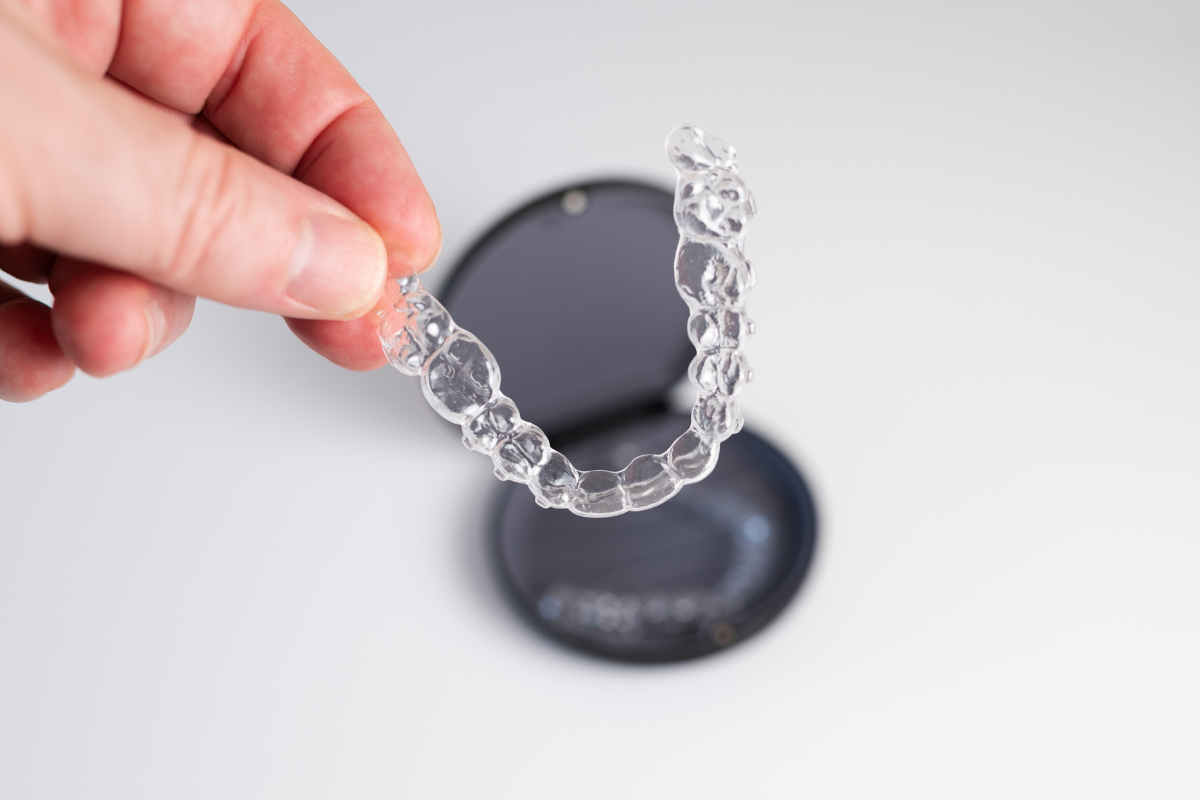
For some teens, traditional braces may be recommended. Others may be candidates for ceramic braces or clear aligners, depending on their orthodontic needs and ability to follow treatment instructions.
The important factor is not choosing the most popular appliance. It is determining which approach can address the individual’s specific orthodontic problem.
Can Adults Still See an Orthodontist?
Absolutely.
Orthodontic treatment is not limited to children and teenagers. Adults can seek treatment for long-standing alignment concerns, shifting teeth, crowding, spacing, or bite problems.
Some adults choose orthodontic treatment because they want to feel more confident about their smile. Others are motivated by oral hygiene, bite function, tooth wear, or changes that have developed over time.
Modern orthodontics offers several treatment options, allowing treatment plans to be tailored to different lifestyles and preferences.
What Happens During the First Orthodontic Visit?
One of the biggest concerns parents and patients have is not knowing what will happen during an orthodontic consultation.
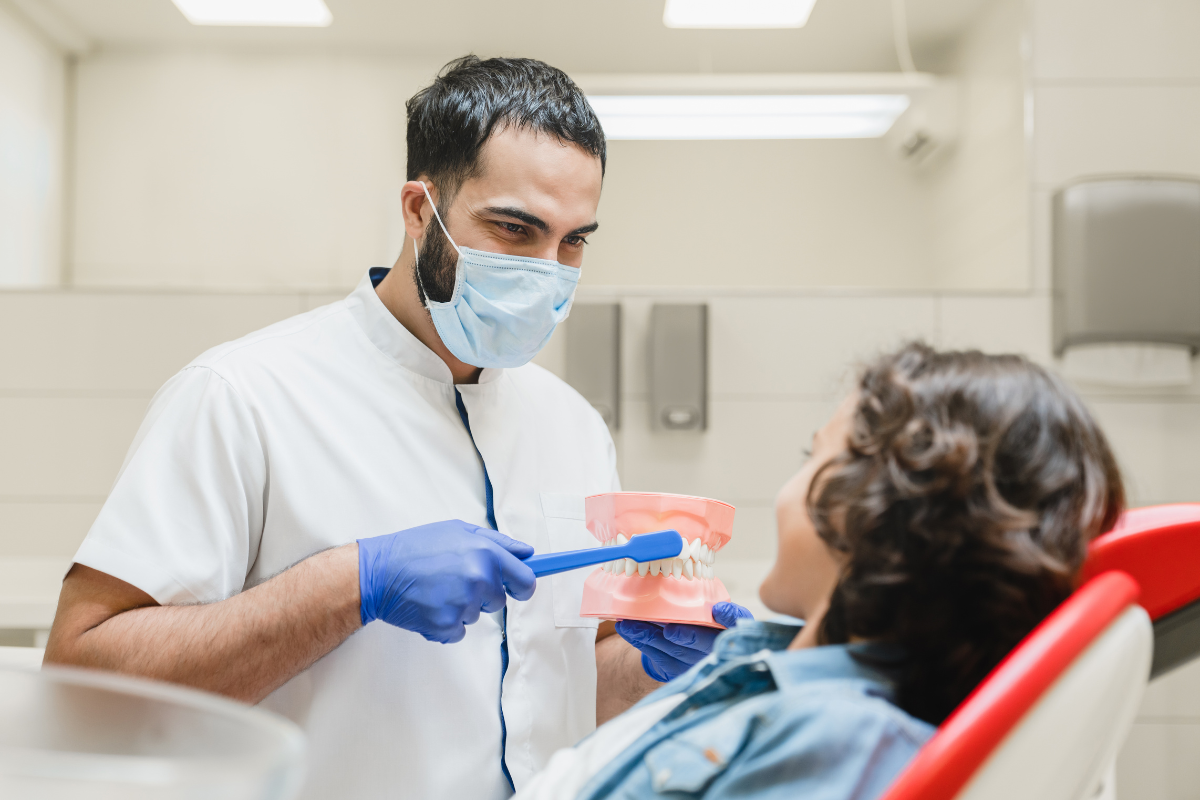
The first appointment generally involves a detailed assessment of the teeth and bite.
Depending on the patient’s needs, the orthodontic team may use:
- Clinical examination
- Digital photographs
- Digital impressions or intraoral scanning
- Dental models
- X-rays when appropriate
- Bite and jaw assessment
The orthodontist then reviews the findings and explains whether treatment is recommended.
If treatment is not necessary yet, the patient may simply be monitored as the teeth and jaws continue developing.
This is important because watching and waiting can be an active orthodontic plan, not a sign that nothing can be done.
When Is Early Orthodontic Treatment Recommended?
Early or interceptive orthodontic treatment may be recommended when a developing problem could benefit from intervention during growth.
Depending on the individual case, early treatment may help address concerns involving:
- Significant crowding
- Crossbites
- Certain jaw-development problems
- Protruding front teeth
- Abnormal tooth eruption
- Space management
- Certain harmful oral habits
Not every child needs Phase 1 treatment.
An orthodontist evaluates whether early intervention is likely to provide a meaningful benefit or whether waiting until a later stage would be more appropriate.
Why the Right Timing Matters
Orthodontics is about more than moving individual teeth.
Treatment planning considers the relationship between teeth, jaws, facial growth, bite, and long-term stability. Starting too early when there is no clinical reason can mean unnecessary treatment time. Waiting too long in a situation that would benefit from earlier intervention can also create challenges.
The goal is to find the appropriate treatment window.
For families considering NYC orthodontics, having an evaluation at the right stage can provide something valuable: a clear understanding of what is happening now and what may be needed in the future.
Why Choose a Comprehensive Orthodontic Evaluation?
A good orthodontic consultation should answer more than “Does my child need braces?”
Parents should leave understanding:
- What is happening with the child’s teeth?
- Is the bite developing normally?
- Does treatment need to begin now?
- Could monitoring be appropriate?
- What treatment options may be available?
- How long might treatment take?
- What happens if treatment is delayed?
- What can parents do at home to support healthy development?
At Central Park West Orthodontics, orthodontic care is provided for children, teenagers, and adults. The practice offers treatment options including traditional braces, ceramic braces, clear aligners, and retainers, with treatment planning based on each patient’s orthodontic needs.
The practice also includes board-certified orthodontists Dr. Mary Eve Maestre and Dr. John C. Dolan.
When Should You Schedule an Orthodontic Consultation?
If your child is approaching age 7, has noticeable crowding, has an unusual bite, or has permanent teeth that are not erupting as expected, an orthodontic evaluation can provide useful answers.
You do not need to wait until the problem becomes severe.
Likewise, if you are an adult or teenager who has been thinking about improving tooth alignment or correcting a bite concern, there is no reason to assume that orthodontic treatment is no longer an option.
For families in New York and nearby areas, an evaluation can be the first step toward understanding whether treatment is necessary, when it should begin, and which approach may be appropriate.
If you are looking for an orthodontist in New York City or want to know whether your child is ready for orthodontic treatment, schedule a consultation with Central Park West Orthodontics today. An evaluation can give you a personalized understanding of your smile or your child’s developing bite—and help you make the decision at the right time rather than simply guessing.
Frequently Asked Questions
What age should a child first see an orthodontist?
The American Association of Orthodontists recommends an initial orthodontic evaluation by age 7. The visit does not mean that braces are necessary. It allows the orthodontist to evaluate developing teeth and jaws and determine whether treatment or monitoring is appropriate.
Does my child need braces at age 7?
Not necessarily. Many seven-year-olds do not need immediate orthodontic treatment. An early evaluation may simply show that the child should be monitored until more permanent teeth erupt or growth progresses.
What are the early signs that a child needs orthodontic treatment?
Common signs include crowded teeth, crossbites, significant overbites or underbites, protruding teeth, early or late loss of baby teeth, difficulty chewing, and permanent teeth that appear to have limited room to erupt.
Is it too late to get braces as a teenager?
No. Teenagers are commonly treated with orthodontic appliances. Treatment timing depends on the patient’s tooth development, bite, growth, and individual orthodontic needs.
Can adults get orthodontic treatment?
Yes. Adults can receive orthodontic treatment for crowding, spacing, bite problems, and other alignment concerns. Treatment options vary depending on the complexity of the case.
What happens if I wait too long to see an orthodontist?
Waiting does not automatically cause a problem, and some orthodontic issues are best treated later. However, certain developing conditions may become more difficult to manage if they are not identified at an appropriate stage. An evaluation can help determine whether waiting is reasonable.
Does an orthodontic consultation mean my child will need braces?
No. An orthodontic consultation is an evaluation, not a commitment to treatment. The orthodontist may recommend immediate treatment, future treatment, periodic monitoring, or no orthodontic treatment depending on the findings.
How long does orthodontic treatment usually take?
Treatment time varies significantly. It depends on the type and severity of the orthodontic problem, the patient’s age and development, the treatment method, and how consistently treatment instructions are followed. Your orthodontist can provide a more individualized estimate after an examination.
Medical Disclaimer: This article is for general educational purposes and does not replace an individual orthodontic examination or professional dental advice. Treatment timing and recommendations vary by patient. A qualified orthodontic professional should evaluate your teeth, bite, and dental development before treatment decisions are made.