327 Central Park West (Suite 1A), New York, NY 10025


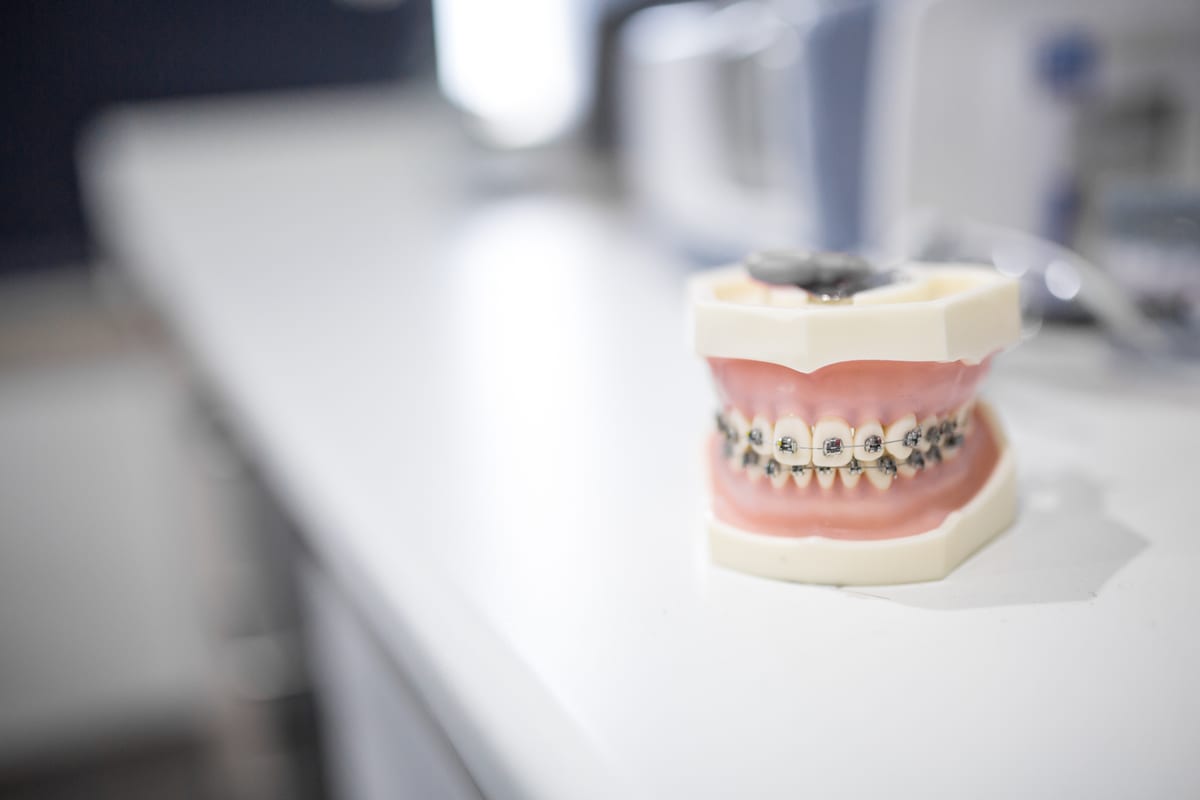
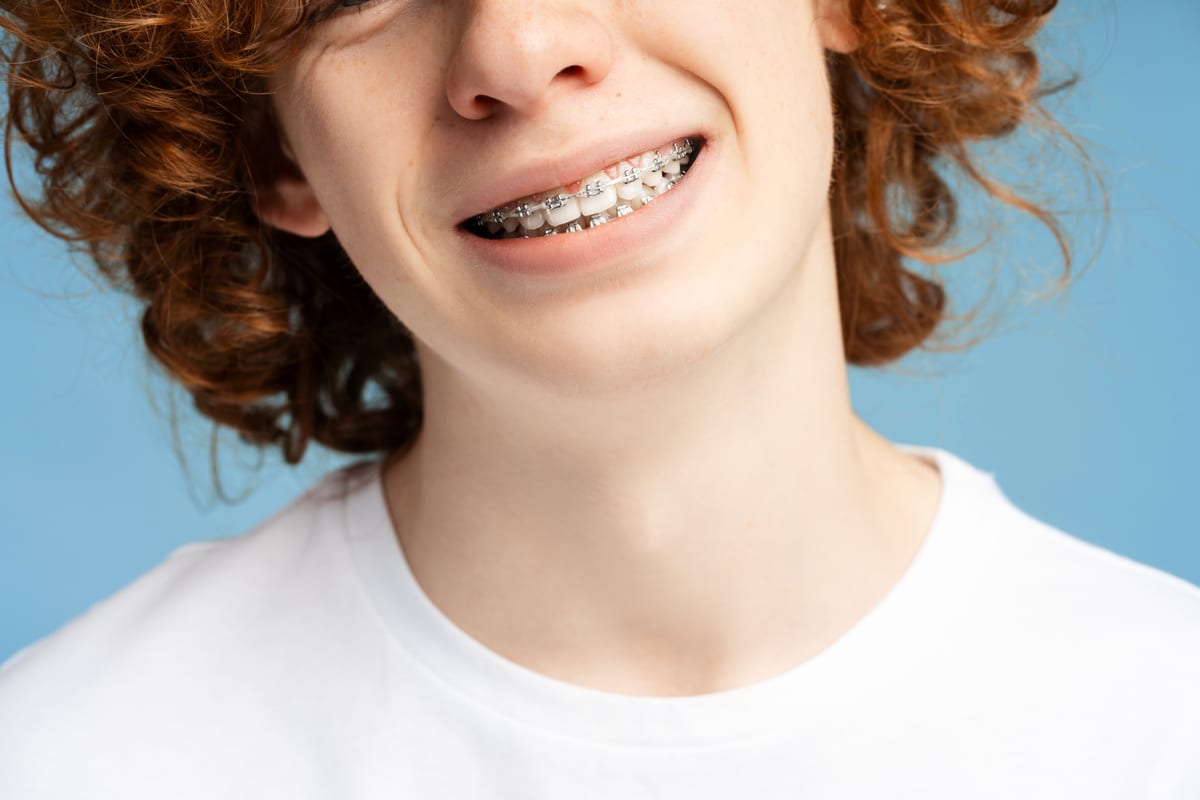
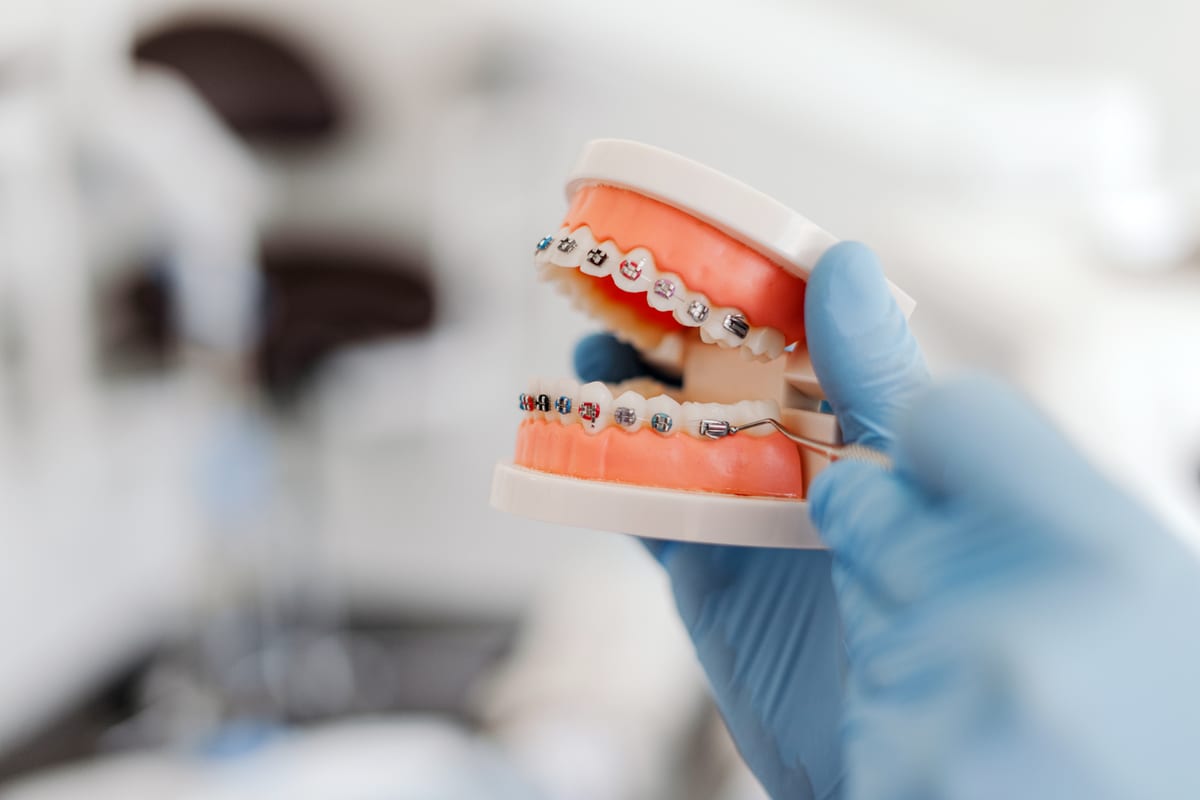
Many Manhattan Valley families put off orthodontic care for their teens. It seems harmless to wait a year or two. But understanding why delaying teen braces costs more than you think in Manhattan Valley could change how you approach this decision. Early action protects your teen’s health, their smile, and your wallet.
At Central Park West Orthodontics, Dr. Mary Eve Maestre works with teens and families every day. She sees firsthand what happens when treatment starts on time — and what happens when it does not. This article will walk you through the real consequences of waiting.
Why Timing Matters for Teen Orthodontic Treatment in Manhattan Valley
Teenage years are a critical window for orthodontic care. Between ages 11 and 16, jawbones are still growing and more responsive to treatment. Moving teeth during this phase is faster, easier, and less invasive.
Once growth slows in adulthood, treatment becomes more complex. Teeth that could shift in 12 months as a teen may take 24 months or more later. That means more appointments, more adjustments, and higher overall costs.
Orthodontics Treatment Manhattan Valley is most effective when it aligns with your teen’s natural development. Waiting past this window doesn’t just delay results — it makes them harder to achieve.
The Hidden Costs of Delaying Braces for Your Teen
Most parents think about the upfront cost of braces. Few consider what it costs to wait. Untreated misalignment can lead to a range of issues that require expensive correction later.
Here are some of the hidden costs families often overlook:
- More complex treatment: Crowded or shifted teeth in adulthood may require extractions or jaw surgery that teens rarely need.
- Longer treatment duration: Adult teeth move more slowly, adding months to treatment timelines.
- Increased dental work: Misaligned teeth are harder to clean, leading to cavities and gum disease over time.
- TMJ issues: Poor bite alignment can strain the jaw joint, causing chronic pain that needs specialist care.
- Cosmetic concerns: Teens who delay often pursue more extensive cosmetic dentistry as adults.
These are not hypothetical risks. They are outcomes Dr. Maestre sees regularly in patients who come in as adults wishing they had started sooner. For families considering Braces For Adults Manhattan Valley, the journey is absolutely worthwhile — but it often involves more steps than teen treatment would have required.
What Untreated Misalignment Does to Teen Health
Orthodontic problems are not just cosmetic. They affect how your teen chews, speaks, and breathes. They also impact self-confidence during some of the most formative years of their life.
Crowded teeth trap food and plaque more easily. This raises the risk of cavities and gum disease even with good brushing habits. A misaligned bite can also cause uneven wear on tooth enamel, which weakens teeth over time.
Some teens with untreated bite issues develop headaches or jaw pain. Others experience difficulty pronouncing certain sounds clearly. These functional problems can affect daily life in ways that go far beyond appearance.
Emotionally, teens are deeply aware of their smiles. Research consistently shows that orthodontic treatment improves self-esteem and social confidence. Delaying that benefit has real personal costs too.
Common Reasons Families Wait — and Why They Don’t Always Hold Up
It’s worth addressing why families delay, because the reasons are understandable. Many parents simply want to wait until all permanent teeth come in. Others assume their teen will grow out of the problem. Some are concerned about comfort or lifestyle disruption.
Here is a closer look at these concerns:
- ‘They still have baby teeth’: An orthodontist can begin monitoring and planning early, even before all permanent teeth arrive.
- ‘It might fix itself’: Overcrowding and bite issues almost never self-correct. They typically worsen over time.
- ‘Braces will be uncomfortable’: Modern braces and Invisalign options are more comfortable than ever before.
- ‘We’ll do it next year’: Each year of delay during the growth window narrows treatment options.
Dr. Maestre recommends that families in Manhattan Valley bring teens in for a consultation by age 12 or 13 at the latest. An early evaluation doesn’t mean treatment starts immediately. It means you have a clear plan and timeline before the ideal window closes.
What to Expect When Your Teen Starts Braces
Starting braces is a positive step, and it doesn’t have to feel overwhelming. Dr. Maestre and the team at Central Park West Orthodontics guide families through every stage with clear communication and genuine care.
A typical teen braces journey looks like this:
- Initial consultation: Dr. Maestre reviews X-rays, photos, and a dental exam to assess your teen’s needs.
- Custom treatment plan: You receive a clear plan with timeline, options (traditional braces or Invisalign), and expected outcomes.
- Fitting appointment: Braces or aligners are placed carefully and comfortably.
- Regular check-ins: Routine visits every 6–10 weeks monitor progress and make adjustments.
- Retainers: After active treatment, retainers hold results in place for lasting alignment.
Most teens adjust quickly and feel proud of the process. Knowing the end goal keeps motivation high throughout treatment.
Take Action Before the Ideal Window Closes
Understanding why delaying teen braces costs more than you think in Manhattan Valley is the first step. The next step is taking action while the timing is still on your side. The teenage years move fast, and so does the growth window that makes orthodontic treatment more efficient.
Dr. Mary Eve Maestre at Central Park West Orthodontics is here to help your family make confident, informed decisions. A consultation is low-pressure and educational. You leave with a clear picture of what your teen needs and when.
Don’t let the ideal window pass. Book Now to schedule your appointment with our team.
Frequently Asked Questions
At what age should my teen start braces?
Most orthodontists recommend an evaluation between ages 11 and 14. This is when most permanent teeth have come in and jawbones are still growing. Earlier evaluation allows Dr. Maestre to plan treatment for the optimal time.
What happens if we wait until my teen is an adult?
Adult orthodontic treatment is effective, but it typically takes longer and may involve more complex procedures. Jaw growth is complete in adulthood, which means teeth move more slowly. Starting during the teen years is generally faster and less involved.
Do braces affect a teen’s daily life significantly?
Most teens adapt to braces within a few weeks. There are some dietary adjustments and hygiene habits to maintain. Modern options like Invisalign can offer added flexibility for active teens and athletes.
How long does teen orthodontic treatment usually take?
Treatment time varies depending on the complexity of each case. Most teens complete treatment within 12 to 24 months. Starting during the growth window often shortens that timeline compared to adult treatment.
Is a consultation necessary before deciding on braces?
Yes. A consultation with Dr. Maestre gives you a complete picture of your teen’s specific needs. It is the best way to understand timing, treatment options, and what to expect throughout the process.