327 Central Park West (Suite 1A), New York, NY 10025


Your child’s braces are off—what an exciting milestone! But before you celebrate a job well done, there’s one last step to protect that beautiful new smile. Retainers are the key to ensuring that all that time, effort, and investment in orthodontic treatment truly lasts. Many parents wonder why their child still needs something after braces or aligners, and that’s exactly what we’ll explore—how retainers keep those perfect teeth in place and why skipping them could undo all the progress you’ve made.
Why Are Retainers So Important For Your Child’s Smile?
Once your child has completed their orthodontic treatment—whether it was with braces or clear aligners—the real work begins. Teeth tend to shift back to their original positions without retainers New York.
While braces or aligners straighten teeth over time, retainers help keep the newly aligned teeth in place as they settle into their final positions. In New York, it’s common to see youngsters, especially teenagers who have just finished orthodontic treatment, enjoying the Plainview Spring Fest. The last thing you want is for your child’s teeth to begin shifting back while they’re out enjoying everything the city has to offer.
The Benefits Of Wearing Retainers After Braces
Wearing a retainer might seem like an extra step, but it offers several important benefits. Here’s why it’s crucial for your child to wear their smile stabilizer as instructed:
- Prevents Teeth from Shifting: After treatment, teeth continue to settle into place. Retainers hold them in their new positions, preventing them from shifting back.
- Maintains Long-Term Results: If teeth shift after treatment, it can affect their overall smile and bite. Smile stabilizers help preserve the investment made in braces or aligners.
- Helps Jaw Alignment: It can also help with bite correction. They ensure that the teeth and jaws align properly, preventing further issues such as overbites or underbites.
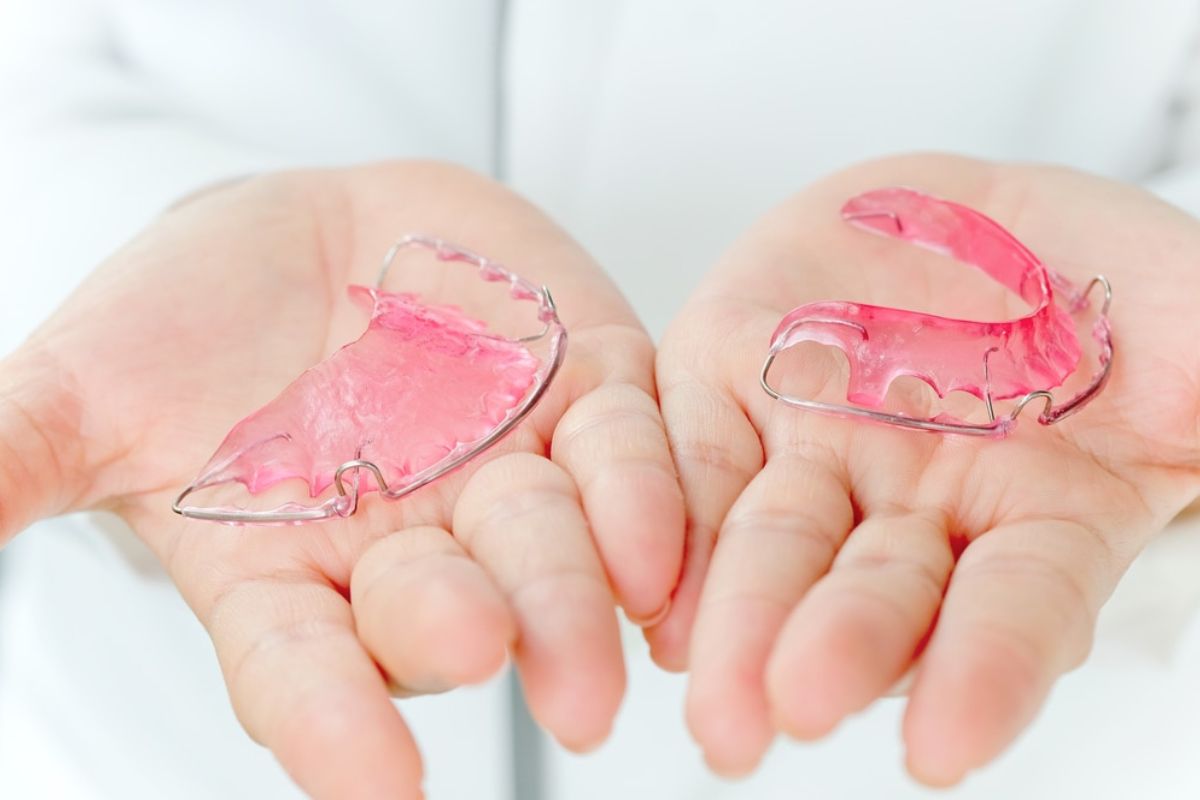
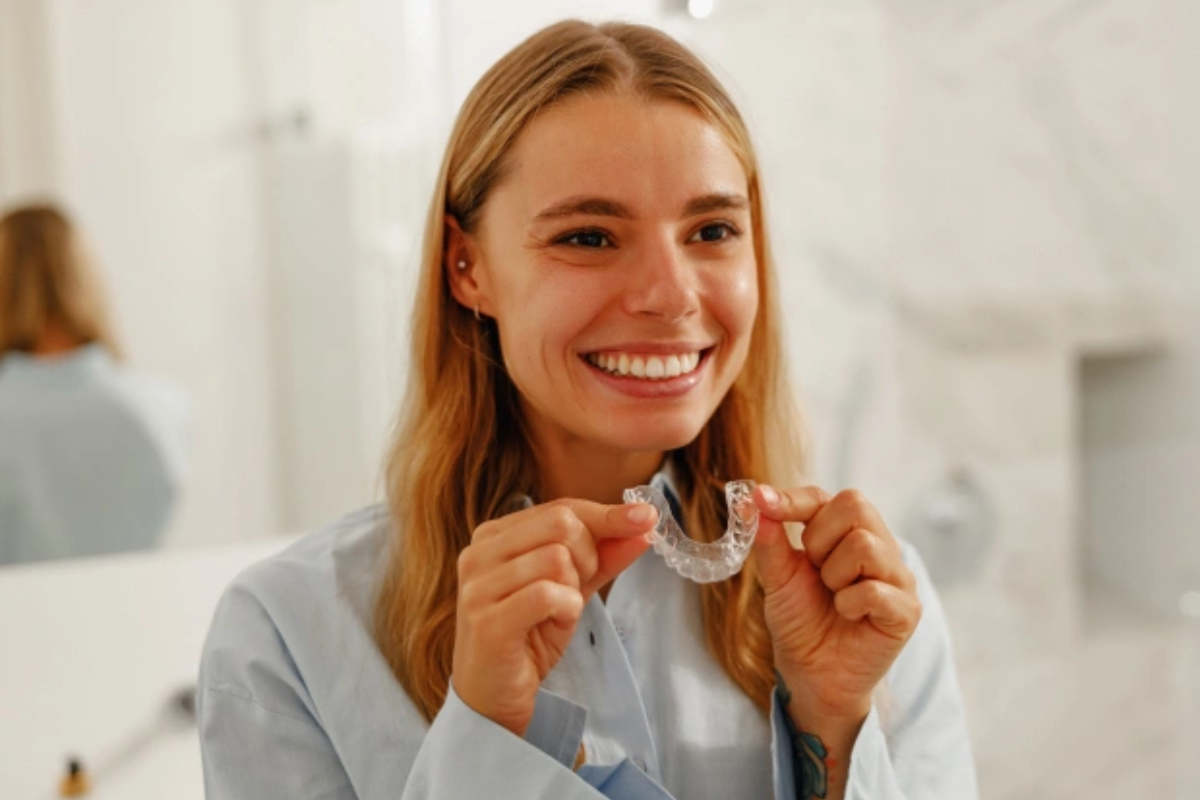
- Comfortable and Easy to Wear: Retainers are usually made of clear plastic and are easy to remove, making them comfortable for youngsters. Unlike bulkier metal braces, they won’t irritate the gums or mouth.
When Should Your Little One Start Wearing A Smile Stabilizer?
In New York, where the seasons change frequently, keeping your kids’ teeth healthy throughout the year is essential. It’s important that they start wearing a retainer immediately after their braces or aligners are removed.
If your child was treated with braces, an orthodontist will likely provide a custom retainer after the braces come off. It is usually recommended to wear it regularly to maintain their new smile.
The first few months are the most critical time to wear a retainer, as the teeth are still shifting. After that, they will likely transition to wearing their retainer only at night. Be sure to follow your professional’s instructions to ensure the best long-term results.
How Long Should Your Youngster Wear Their Retention Device?
While timelines vary by case, most children will need to wear it full-time for about 6 months after treatment. After that, they’ll switch to wearing it just at night.
Here are some key milestones for orthodontic retainers:
- Full-Time Wear: After getting the retainer, it’s crucial that your kids wear it for 22 hours a day (removing it only for eating and brushing). This is usually required for the first few months to allow the teeth to fully settle.
- Nighttime Wear: After the first few months, they will most likely need to wear the retainer only at night. Even as they grow older, wearing it at night helps maintain tooth alignment.
Tips For Maintaining Your Child’s Retainer
Keeping your youngster’s retainer in top condition is just as important as wearing it regularly. Here are some tips to maintain them properly:
- Clean the Retainer Regularly: Just like teeth, retainers need to be cleaned. Use lukewarm water and a gentle toothbrush to clean it daily, removing any plaque buildup.
- Avoid Heat: Never place the retainer in hot water or near hot surfaces, as the plastic can warp and lose its shape.
- Store It Properly: Always keep the retainer in its case when it’s not in use to avoid damage or loss.
- Keep Track of Wear Time: If your child is transitioning to nighttime wear, make sure they’re still using it as prescribed.
Protect Your Child’s Aligned Smile For The Long Term
The journey doesn’t end when the braces come off, as retainers New York are key to maintaining that beautiful smile. Consistent wear ensures lasting results and prevents teeth from shifting. By incorporating smile stabilizers into your child’s daily routine, you help preserve their hard-earned smile for a lifetime.
Have questions? Visit our dental office at Central Park West Orthodontics for personalized advice and help ensure your little one’s smile stays confident and strong.
Frequently Asked Questions (FAQs)
How long should a child wear a retainer after braces?
Children typically wear a retainer full-time for the first few months, then switch to nighttime wear. The retention phase ensures the teeth remain in place and stabilize over the long term.
What happens if your child doesn’t wear their retainer?
If your little one doesn’t wear their retainer as instructed, teeth can shift back to their original positions. Consistent wear is necessary to prevent relapse and maintain the results from braces.
Can a retainer fix teeth that have shifted after braces?
A retainer can help prevent further shifting, but if teeth have moved significantly, additional orthodontic treatment may be necessary. Consult your orthodontist for an accurate assessment and next steps.
Why does my child’s retainer hurt?
A retainer may cause mild discomfort, especially when first worn or after a period without wearing it. This discomfort should subside quickly as the teeth adjust to the retainer.
How often should a retainer be replaced?
Retainers can wear out over time, especially with frequent use. If it becomes damaged or uncomfortable, it’s important to get a replacement to maintain proper fit and function.