327 Central Park West (Suite 1A), New York, NY 10025


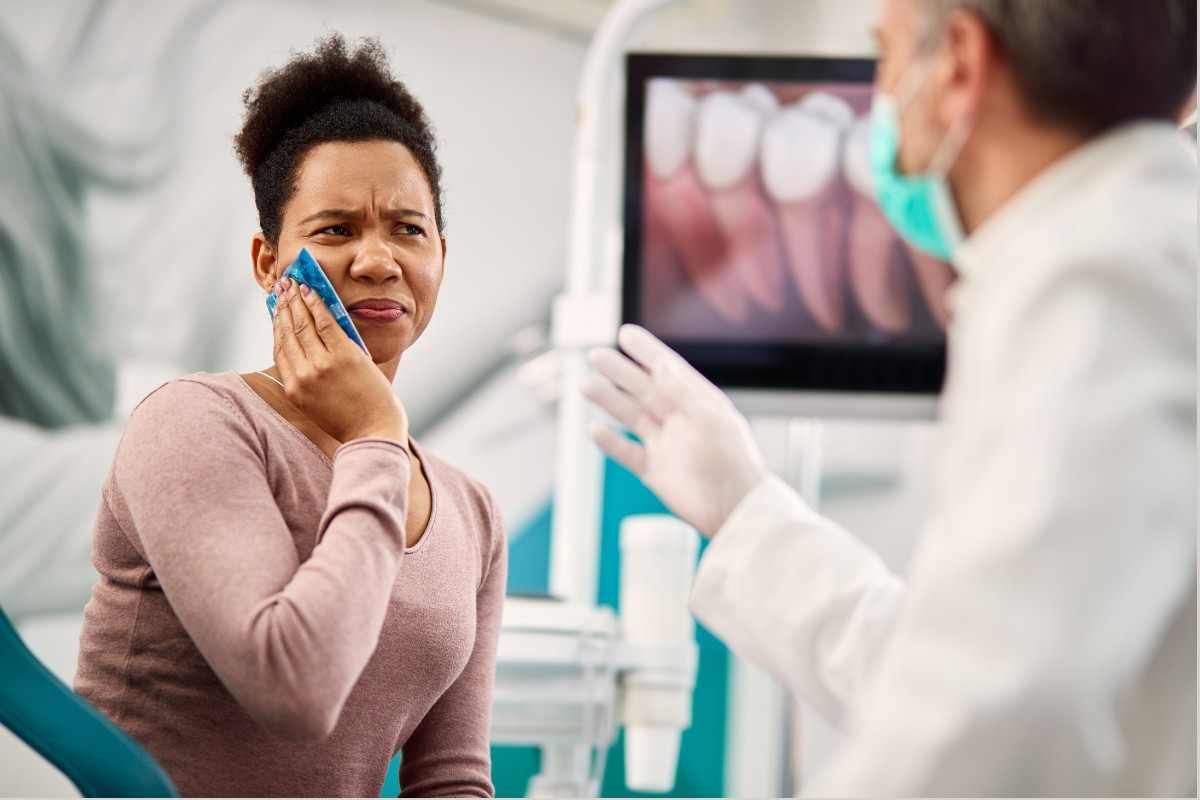
Have you ever been enjoying a meal only to suddenly bite the inside of your cheek? While it may seem like a random accident, frequent cheek biting often points to an underlying issue that deserves attention. In some cases, it may be related to the way your teeth come together, jaw alignment, or orthodontic concerns rather than simple bad luck.
At Central Park West Orthodontics, we often help patients identify the reasons behind recurring cheek biting and determine whether orthodontic treatment can reduce the problem. If this keeps happening, speaking with an orthodontist in NYC can help uncover the cause before it leads to chronic irritation, discomfort, or repeated soft tissue injuries.
Why Does Cheek Biting Happen While Eating?
Occasionally biting your cheek is common and usually happens when you are distracted or eating too quickly. However, when it occurs repeatedly, it may indicate that your bite is not functioning as efficiently as it should.
Common reasons include:
- Misaligned teeth
- Bite irregularities
- Crowded teeth
- Jaw alignment issues
- Changes during orthodontic treatment
- Swelling from a previous cheek injury
- Eating too quickly or talking while chewing
When these problems continue, the inside of the cheek becomes irritated and more likely to be bitten again, creating a frustrating cycle.
Signs That Your Cheek Biting Is More Than an Accident
If you notice any of the following symptoms, it may be time for a professional evaluation:
- You bite the same area repeatedly.
- The sore does not heal within two weeks.
- Eating becomes uncomfortable.
- Your cheek feels swollen or tender.
- You notice ulcers or white patches from repeated trauma.
- You avoid chewing on one side because of pain.
These symptoms may indicate that your bite needs correction rather than simply allowing the injury to heal.
Can Your Bite Cause You to Bite Your Cheek?
Yes, one of the most common causes of chronic cheek biting is an improper bite, also known as a malocclusion.
When your upper and lower teeth do not align correctly, your cheeks may become trapped between them during chewing. Certain bite problems increase this risk, including:
- Crowded Teeth – When teeth overlap, food is not always guided properly during chewing. This can increase the chance of accidentally biting soft tissues.
- Crossbite – A crossbite changes the way your upper and lower teeth meet, allowing your cheek to slip between them.
- Open Bite – People with an open bite often compensate while chewing, which can increase cheek injuries.
- Overbite and Underbite – These bite relationships can alter jaw movement and create uneven chewing patterns.
If these issues are present, an orthodontist in NY can determine whether orthodontic treatment may help improve your bite function.
Additional Reasons You May Bite the Inside of Your Cheek
Not every case is caused by orthodontic concerns. Other possible reasons include:
- Eating Too Quickly – Fast eating reduces chewing coordination and increases accidental bites.
- Talking While Eating – Speaking during meals changes jaw movement and makes accidental cheek injuries more likely.
- Stress or Muscle Tension – Some people unconsciously clench their jaw, making cheek injuries more frequent.
- Wisdom Teeth Position – Partially erupted wisdom teeth can change the available space inside your mouth and contribute to cheek irritation.
- Previous Injury – After biting your cheek once, swelling makes it easier to bite the same area again before it fully heals.
What Should You Do Immediately After Biting Your Cheek?
Most minor injuries heal within several days with proper care.
You can help the healing process by:
- Rinsing your mouth with warm salt water.
- Applying a cold compress to reduce swelling.
- Avoiding spicy or acidic foods.
- Drinking plenty of water.
- Eating softer foods until the soreness improves.
- Keeping the area clean with gentle brushing.
Avoid repeatedly touching the injured area with your tongue, as this may slow healing.
When Should You Seek Professional Care?
You should schedule an evaluation if:
- The injury keeps happening.
- The sore lasts longer than two weeks.
- You experience severe pain.
- You notice excessive swelling.
- Bleeding does not stop.
- Chewing becomes difficult.
- You suspect your teeth no longer fit together properly.
A complete examination can identify whether the issue is related to your bite, jaw movement, or another oral health concern.
How Orthodontic Treatment Can Help Reduce Cheek Biting
Many patients are surprised to learn that orthodontic treatment can improve both comfort and function.
Depending on your evaluation, treatment may help by:
- Correcting crowded teeth
- Improving bite alignment
- Creating balanced chewing patterns
- Reducing repeated soft tissue injuries
- Improving jaw function
- Supporting long-term oral health
At Central Park West Orthodontics, Dr Maestre carefully evaluates how your teeth and jaws work together before recommending treatment. Whether you need braces, clear aligners, or another orthodontic solution, correcting bite problems may significantly reduce recurring cheek injuries.
Patients searching for an orthodontist in New York often discover that repeated cheek biting is one of several symptoms caused by an underlying bite imbalance rather than an isolated problem.
Can Braces or Clear Aligners Cause Temporary Cheek Biting?
Sometimes they can. As teeth gradually move into healthier positions, your bite changes throughout treatment. During this adjustment period, you may occasionally notice new chewing patterns or minor cheek irritation.
Fortunately, these changes are usually temporary and improve as your treatment progresses. If discomfort continues, your orthodontic provider can evaluate whether any adjustments are needed.
Patients looking for an orthodontist in New York City often ask about this during treatment, and regular follow-up visits help ensure everything is progressing as expected.
How Can You Prevent Cheek Biting?
While not every accident can be prevented, these habits may lower your risk:
- Chew slowly.
- Avoid talking while eating.
- Take smaller bites.
- Stay focused during meals.
- Attend regular dental and orthodontic evaluations.
- Address bite problems before they worsen.
- Follow orthodontic treatment recommendations.
Consistent oral evaluations help identify changes before they begin affecting your daily comfort.
Restore Comfortable Chewing With the Right Orthodontic Care
Recurring cheek biting should not become part of your daily routine. Identifying the underlying cause can improve your comfort, chewing function, and overall oral health. Dr. Maestre will evaluate your bite, discuss your concerns, and recommend treatment options that support healthier tooth alignment and jaw function.
At Central Park West Orthodontics, we proudly help patients throughout New York achieve healthier, more comfortable smiles. If you are looking for an orthodontist in NYC, now is the right time to book an appointment. We proudly serve patients throughout the Upper West Side of Manhattan, Morningside Heights, Riverside Drive, and surrounding New York communities.
Frequently Asked Questions
- Is it normal to bite the inside of my cheek occasionally?
Yes, an occasional cheek bite can happen to anyone while eating or talking. However, if it happens frequently or in the same area, it is worth having your bite evaluated to determine whether an orthodontic issue is contributing to the problem.
- Can crooked teeth cause me to bite my cheek?
Yes, crowded or misaligned teeth may change how your teeth come together during chewing, increasing the chance of trapping the inside of your cheek. An orthodontic evaluation can determine whether correcting your bite may reduce these injuries.
- How long does a bitten cheek usually take to heal?
Most minor cheek bites heal within one to two weeks with proper oral hygiene and by avoiding further irritation. If the sore persists, worsens, or repeatedly returns, schedule an examination to identify the underlying cause.
- Can children develop frequent cheek biting because of bite problems?
Yes, as children’s teeth and jaws develop, bite changes may increase the likelihood of accidental cheek injuries. Early orthodontic assessments can identify developing alignment concerns before they progress.
- Will orthodontic treatment stop me from biting my cheek?
If bite misalignment is the underlying cause, orthodontic treatment may significantly reduce repeated cheek injuries by improving tooth positioning and jaw alignment. A professional evaluation can determine whether treatment is appropriate.
- When should I schedule an appointment for repeated cheek biting?
You should seek professional care if you repeatedly bite the same area, experience pain while chewing, develop sores that do not heal, or notice changes in how your teeth fit together. Early evaluation can help prevent ongoing irritation and protect your oral health.