327 Central Park West (Suite 1A), New York, NY 10025


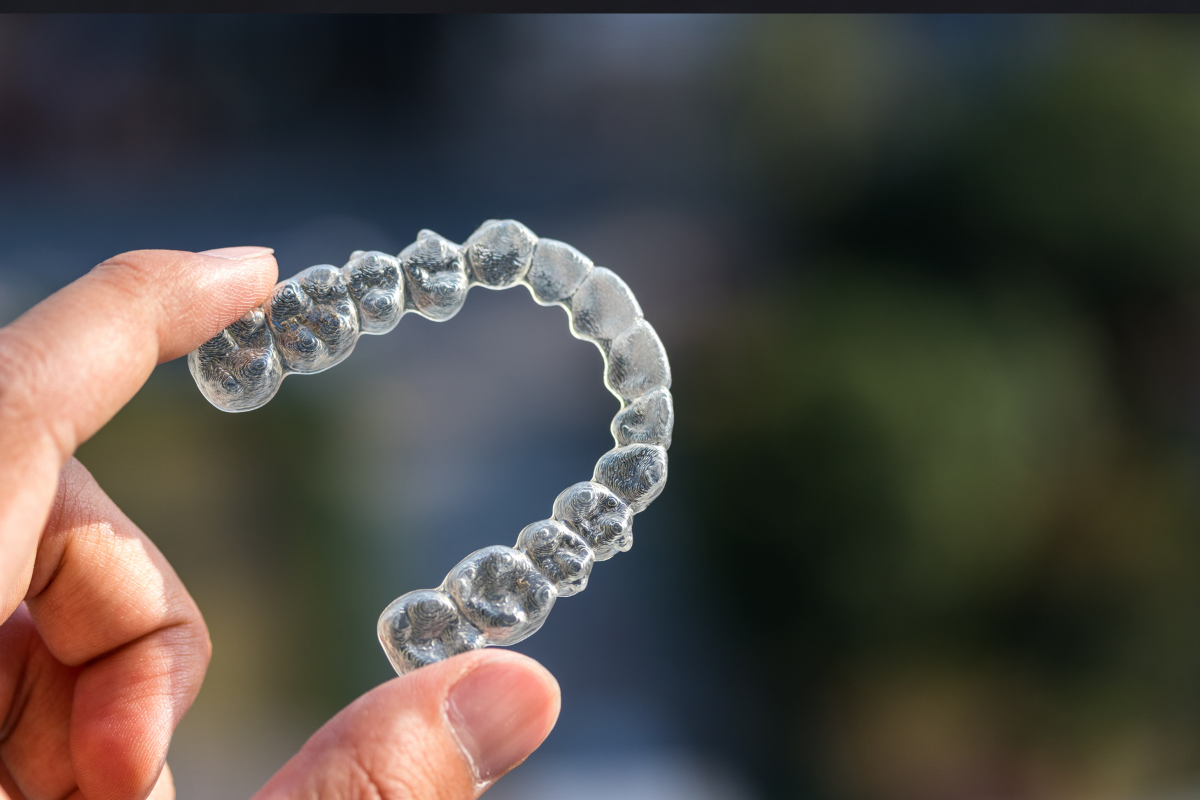
Completing orthodontic treatment is a major milestone. Whether you wore braces or clear aligners, months or years of effort helped create a healthier and more balanced smile. However, treatment does not end when the appliances come off. The next phase is maintaining those results for the long term.
At Central Park West Orthodontics, many patients ask what happens after active treatment and why ongoing retention matters. For people looking for retainers in New York, understanding this final stage can help protect the investment they made in their smile. In a city as busy as NYC, where professional and social interactions are part of everyday life, preserving orthodontic results is important. This guide explains how retention works, why teeth shift, and what you can do to keep your smile looking its best for years to come.
Why Do Teeth Move After Orthodontic Treatment?
Teeth naturally tend to shift throughout life. During orthodontic treatment, teeth are guided into new positions through controlled pressure. The surrounding bone and gum tissues need time to stabilize after those movements occur. Without proper retention, teeth may gradually drift toward their previous positions.
Factors that contribute to movement include:
- Natural aging changes
- Jaw growth and development
- Daily chewing forces
- Teeth grinding or clenching.
- Missing teeth
- Periodontal health changes
This is why orthodontic retention remains an essential part of long-term smile maintenance.
What Is the Purpose of a Retention Appliance?
A retention appliance helps keep teeth in their corrected positions after braces or aligner treatment.
Its primary role is to prevent unwanted tooth movement while supporting the stability of the surrounding bone and tissues. Consistent use helps maintain alignment and reduces the risk of needing additional orthodontic correction later.
Many patients view this phase as insurance for the time and effort invested during treatment.
How Long Do You Need to Wear One?
The simple answer is longer than most people expect.
Orthodontists generally recommend long-term wear because teeth can shift throughout life. The exact schedule depends on your treatment history, bite condition, and individual needs.
- Initial Retention Period – The first several months after treatment are the most critical. During this stage, patients often wear their appliance full-time, except while eating, drinking, or brushing.
- Long-Term Maintenance – After the stabilization phase, many patients transition to nighttime wear. Continuing this routine helps preserve alignment for years and may reduce future shifting.
For patients seeking retainers in New York, long-term compliance often determines how well orthodontic results hold up over time.
What Types of Retention Options Are Available?
Several options are available depending on your needs and treatment goals.
- Removable Clear Appliances – These resemble clear aligners and fit snugly over the teeth. Many patients appreciate their discreet appearance and ease of use.
- Hawley Appliances – This traditional option uses an acrylic base with a thin metal wire. It is durable and allows certain adjustments when necessary.
- Fixed Bonded Retainers – A thin wire is attached behind the front teeth. Because it remains in place, it provides continuous support without requiring patient compliance.
An orthodontist in NYC can determine which option works best based on your bite, lifestyle, and orthodontic history.
What Happens If You Stop Wearing Your Retention Appliance?
Many patients assume their teeth will stay in place permanently once treatment ends. Unfortunately, that is not always the case.
When retention instructions are ignored, teeth can begin shifting within weeks or months. Small changes may not seem noticeable at first, but they can become more significant over time.
Common consequences include:
- Crowding of the front teeth
- Changes in bite alignment
- Spacing between teeth
- Difficulty fitting existing appliances
- Need for corrective treatment.
Patients throughout Manhattan, the Upper West Side, Lincoln Square, and nearby NYC neighborhoods often seek follow-up care because of a relapse that occurred years after treatment.
How Do You Care for Your Retention Appliance?
Proper care helps extend its lifespan and maintain oral health.
Daily Cleaning
Clean removable appliances every day using lukewarm water and a recommended cleaning product. Avoid hot water because it may distort the material.
Safe Storage
Always store your appliance in its protective case when not in use. Many replacements become necessary because devices are wrapped in napkins and accidentally discarded.
Regular Checkups
Routine visits allow your orthodontic provider to evaluate fit, inspect for wear, and ensure continued effectiveness.
Patients receiving retainers in New York should also report any discomfort, looseness, or visible damage as soon as possible.
Why Professional Monitoring Still Matters
Even after active treatment ends, periodic evaluations remain valuable.
Changes in oral health, wisdom teeth development, tooth wear, or bite function can affect alignment over time. Follow-up visits allow orthodontic professionals to identify concerns early and recommend adjustments when necessary.
At Central Park West Orthodontics, retention appointments help ensure that patients continue to enjoy the results they worked hard to achieve. This ongoing approach reflects the philosophy behind modern NYC Orthodontics, where long-term stability is just as important as treatment itself.
Protect Your Smile for Years to Come
Orthodontic treatment creates the foundation for a beautiful smile, but retention protects that achievement. Consistent wear, proper care, and routine monitoring all play important roles in maintaining alignment.
If you have questions about retainers in New York, need an adjustment, or want to replace a lost appliance, Central Park West Orthodontics can help. Schedule an appointment to discuss your long-term smile goals and receive guidance as per your orthodontic needs. Ongoing retention support remains an important part of successful orthodontic treatment, helping patients throughout NYC maintain healthy, confident smiles for life.
Frequently Asked Questions
Can teeth still move years after orthodontic treatment?
Yes. Teeth naturally shift throughout life due to aging, bite forces, and changes in surrounding tissues. Even years after treatment, movement can occur if retention protocols are not followed. Long-term use of a retention appliance helps maintain alignment and reduce the risk of relapse.
How often should a retention appliance be replaced?
The lifespan depends on the type of appliance, wear habits, and maintenance. Some removable options last several years with proper care, while fixed versions may require repairs if damaged. Regular orthodontic evaluations help determine when replacement is necessary.
Is a bonded retainer better than a removable one?
Neither option is universally better. Fixed retainers provide continuous support and do not rely on patient compliance. Removable options offer easier cleaning and flexibility. The right choice depends on your orthodontic history, oral hygiene habits, and treatment goals.
What should I do if my appliance no longer fits?
Do not force it into place. Difficulty fitting often indicates tooth movement or appliance distortion. Contact your orthodontic provider promptly for an evaluation. Early intervention may help prevent more significant alignment changes from developing.
Can adults benefit from long-term retention just like teenagers?
Absolutely. Adults experience tooth movement just as younger patients do. In some cases, age-related changes make retention even more important. Maintaining a consistent wear schedule helps preserve treatment results and supports long-term smile stability regardless of age.
