327 Central Park West (Suite 1A), New York, NY 10025


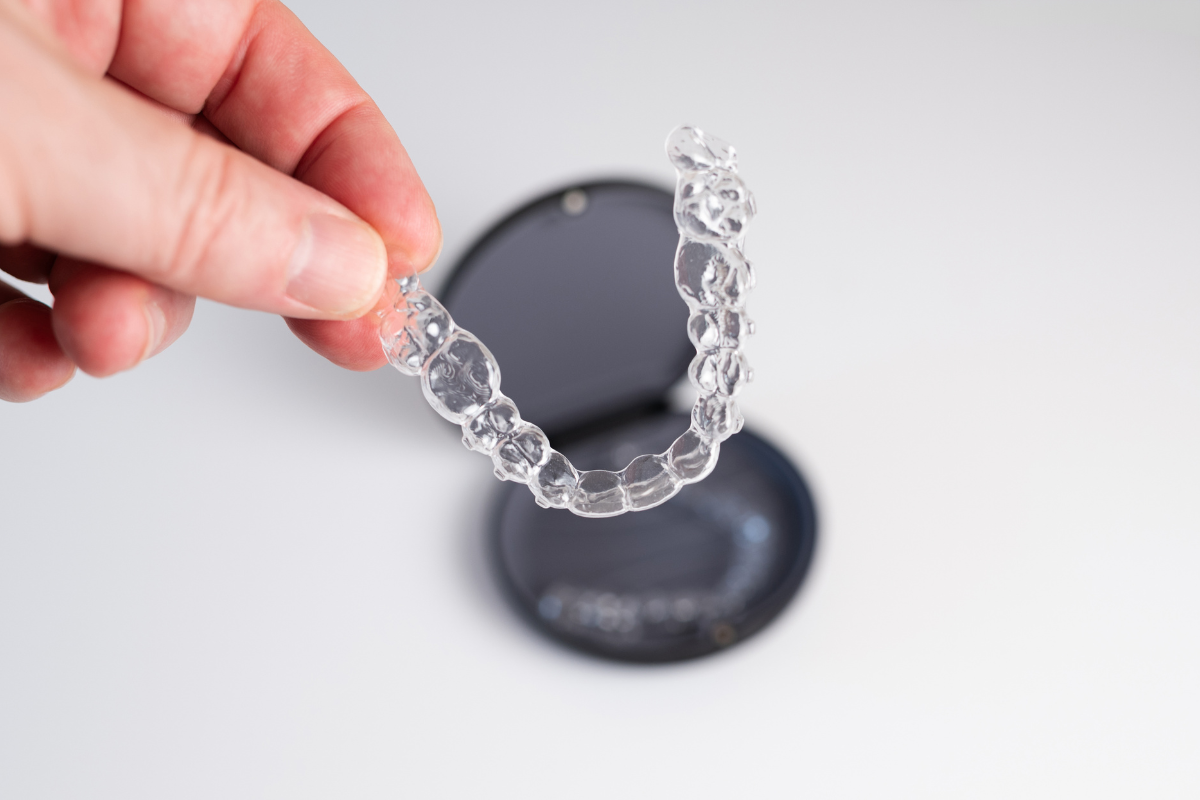
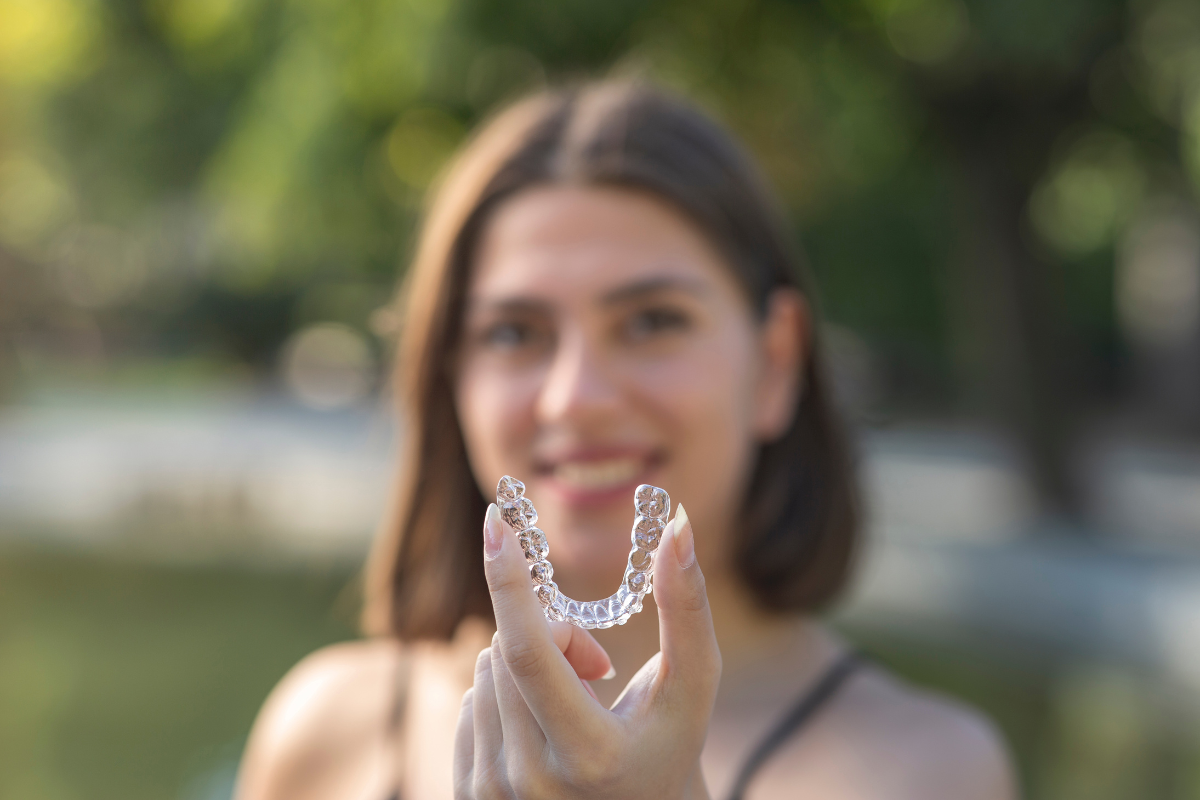
A straighter smile can improve more than appearance. Properly aligned teeth are often easier to clean, may reduce uneven wear, and can contribute to better long-term oral health. Invisalign has gained popularity as a top orthodontic option due to its discreet and comfortable alternative to traditional braces. Still, many patients have one important question before starting treatment: What are the side effects?
The answer is reassuring. Most side effects are mild, temporary, and anticipated as your teeth slowly shift into better positions. Understanding what is normal and when to contact your orthodontist can help you feel confident throughout the process.
At Central Park West Orthodontics, Dr. Mary Eve Maestre and Dr. John C. Dolan help patients of all ages achieve healthier smiles with Invisalign in New York. Based on their clinical experience, one of the most common concerns patients express before treatment is whether this procedure hurts or causes long-term problems. In reality, most side effects are short-lived and manageable. If you are considering this teeth alignment procedure, we encourage you to visit our dental office for a personalized evaluation and professional guidance tailored to your needs.
According to the National Institutes of Health (NIH), clear aligner therapy has become a widely accepted orthodontic treatment option because of its effectiveness, comfort, and aesthetic benefits. Like any orthodontic treatment, however, it involves biological tooth movement, which can create temporary changes that patients should understand.
Does Invisalign Have Side Effects?
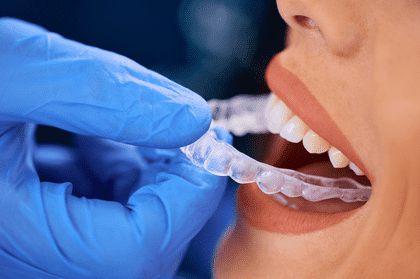
Yes, these aligners can cause temporary side effects, but most are mild and are actually signs that the treatment is working. The pressure created by the aligners gradually shifts teeth into their planned positions.
Unlike traditional braces, this procedure does not use brackets or wires. As a result, patients typically experience fewer soft tissue irritations and greater overall comfort during treatment.
The most common side effects include:
- Mild tooth soreness
- Temporary speech changes
- Increased saliva production
- Dry mouth
- Minor irritation of the cheeks or tongue
- Temporary headaches
- Bite adjustments during treatment
Most patients find these effects improve significantly within days.
Why Do Teeth Feel Sore With Invisalign?
Mild tooth soreness is the most common side effect. It usually occurs when you begin treatment or switch to a new set of aligners.
Each aligner is created to gently shift particular teeth by a small degree. The pressure applied to the teeth stimulates the bone remodeling process that makes orthodontic treatment possible.
Patients often describe the sensation as:
- Tightness
- Pressure
- Tenderness when chewing
- Mild discomfort during the first few days of a new tray
Rather than being a warning sign, this sensation often indicates that the aligners are doing exactly what they were designed to do.
Many orthodontists recommend changing to a new aligner before bedtime so that much of the initial adjustment period occurs while you sleep.
Can these Aligners Affect Your Speech?
Yes, some patients notice minor speech changes during the first few days of treatment. This adjustment is temporary and typically resolves quickly.
As the aligners cover the teeth, your tongue needs time to adapt to the new shape inside your mouth. Some sounds might seem different initially.
Fortunately, most patients regain their normal speech patterns within a few days through everyday conversation.
This is especially common among patients using Invisalign Teen in New York, as school presentations, classroom discussions, and social activities make even small speech changes more noticeable initially.
Does it Cause Extra Saliva or Dry Mouth?
Some patients experience increased saliva production, while others notice mild dry mouth. Both responses are normal and usually temporary.
When aligners are first introduced, your body may recognize them as a new object and temporarily increase saliva production.
On the other hand, some patients experience reduced saliva circulation around certain areas of the mouth, leading to mild dryness.
Helpful ways to manage these symptoms include:
- Drinking water throughout the day
- Limiting sugary beverages
- Maintaining excellent oral hygiene
- Wearing aligners consistently as directed
Most patients adjust within the initial few weeks.
What Are Invisalign Attachments and Do They Cause Discomfort?
Attachments are small, tooth-colored shapes bonded to certain teeth to help aligners move teeth more precisely. They may feel unusual at first but are rarely painful.
Not every patient requires attachments. When they are needed, they help improve treatment efficiency and predictability.
Some patients notice:
- Slight roughness
- Minor cheek irritation
- Increased awareness of certain teeth
The mouth generally adapts quickly, and most patients stop noticing the attachments after several days.
Can it Cause Headaches?
Yes, mild headaches can occur, particularly when beginning treatment or switching to a new aligner set.
These headaches are usually related to the pressure being applied to the teeth and supporting structures.
In most cases, they are:
- Mild
- Temporary
- Most noticeable during the first few days of a new tray
Persistent or severe headaches should always be discussed with your orthodontist.
Can the Process Damage Teeth?
No, these aligners do not damage healthy teeth when treatment is properly planned and monitored. However, poor oral hygiene can create problems during treatment.
One misconception is that aligners themselves harm teeth. In reality, issues usually develop when food particles and plaque remain trapped beneath the aligners.
To protect your teeth:
- Brush after meals
- Floss daily
- Clean aligners regularly
- Attend scheduled appointments
Patients who maintain strong oral hygiene habits typically complete treatment without complications.
Why Do Some Patients Notice Bite Changes?
Temporary bite changes can occur during the treatment because teeth are actively moving into new positions. These changes are usually expected and often improve as treatment progresses.
You may notice:
- Certain teeth touch differently.
- Changes when chewing
- A feeling that your bite is uneven
These sensations are often temporary phases of the treatment process rather than treatment problems.
Your orthodontist continuously monitors your progress to ensure your bite develops as planned.
What Should Teenagers and Parents Know?
Invisalign Teen provides many benefits similar to those for adults, while also addressing the specific needs of growing patients.
Teenagers often appreciate:
- A discreet appearance
- Removable aligners
- No food restrictions
- Easier oral hygiene compared to braces
Families considering Invisalign Teen in New York frequently find that the flexibility of clear aligners fits well with school activities, sports, music programs, and busy schedules.
When Should You Call Your Orthodontist?
Most side effects are temporary, but some situations require professional attention.
Contact your orthodontist if you experience:
- Severe pain
- Significant gum swelling
- Broken aligners
- Aligners that no longer fit properly
- Persistent headaches
- Signs of infection
Addressing concerns early helps keep treatment progressing efficiently.
A Healthier Smile Starts With Expert Guidance
Understanding the side effects before treatment helps set realistic expectations and allows you to approach the process with confidence. Most patients experience only minor, temporary adjustments that fade as their mouth adapts to treatment.
At Central Park West Orthodontics, we are committed to helping patients make informed decisions about their orthodontic care. Conveniently located in Manhattan Valley on the Upper West Side, we are proud to serve families throughout Morningside Heights, the Riverside Drive corridor, and surrounding neighborhoods. Whether you are exploring treatment for yourself or researching invisalign aligners in New York options for a family member, a personalized diagnostic evaluation is the best way to understand your unique needs.
If you are considering clear aligners, we invite you to visit our dental office to learn how the treatment can help you achieve a healthier, more confident smile.
Frequently Asked Questions
Is it normal for teeth to feel loose during Invisalign treatment?
Yes. Teeth may feel slightly loose because they are moving through the bone into new positions. This is a normal part of orthodontic treatment and usually temporary.
How long do Invisalign side effects last?
Most side effects occur during the first few days of treatment or after changing aligners. They typically improve as your mouth adapts to the new tray.
Can Invisalign cause jaw pain?
Some patients experience mild jaw soreness as their bite changes during treatment. Persistent discomfort should be evaluated by your orthodontist.
What happens if my aligners stop fitting correctly?
Poorly fitting aligners may indicate that teeth are not tracking as expected. Contact your orthodontist promptly so the issue can be assessed.
Can Invisalign cause cavities?
The aligners do not cause cavities directly. However, failing to brush before reinserting them can increase plaque accumulation and cavity risk.
Are headaches common with Invisalign?
Mild headaches can occur when beginning treatment or switching aligners. They usually improve within a few days as your teeth adjust.
How many hours per day should Invisalign be worn?
Most patients should wear their aligners for 20 to 22 hours each day. Consistent wear helps achieve predictable and efficient treatment results.