327 Central Park West (Suite 1A), New York, NY 10025


Deciding to transform your smile is an exciting milestone, whether you are preparing for a major career event in Midtown, enjoying weekend strolls through Central Park, or simply seeking a boost in daily confidence. When patients evaluate clear aligner therapy, their first question is almost always: “How long will it take to see results?” Understanding your treatment timeline helps you plan effectively and maintain the dedication needed for a flawless outcome.
At Central Park West Orthodontics, our board-certified specialists, Dr. Mary Eve Maestre and Dr. John C. Dolan, draw upon decades of clinical experience to design tailored treatment plans that straighten teeth comfortably and efficiently. To explore our advanced digital approach to orthodontic care, learn more about our custom options for Invisalign in New York.
The Typical Invisalign Timeline: What to Expect
On average, the treatment takes between 12 to 18 months for most teens and adults. However, because every smile is unique, noticeable progress can begin much earlier than the final reveal.
Initial Movement (Weeks 2 to 6)
You won’t see dramatic visible shifts during the first month, but micro-movements are happening beneath the surface. Alignment trays apply gentle, constant pressure to the periodontal ligament surrounding each tooth root. This pressure triggers bone remodeling, allowing teeth to begin shifting.
Noticeable Shifts (Months 2 to 3)
By your third or fourth set of aligners, subtle changes become visible. Crowded teeth begin to uncrowd, small gaps narrow, and your bite alignment improves. Taking bi-weekly progress photos can help you track these gradual transformations.
Moderate Adjustments (Months 6 to 12)
During this phase, major dental movements take place. Rotated teeth turn into position, vertical adjustments occur, and Arch expansion creates space for crowded teeth. Many mild cases finish around the 6-to-9-month mark.
Complex Cases & Refinements (Months 12 to 18+)
For severe crowding, significant bite issues (overbites, underbites, crossbites), or complex rotations, treatment may take 18 to 24 months. Refinement trays are often used at the end to fine-tune final movements.
Key Factors That Influence Your Treatment Speed
Why do some patients complete treatment in 8 months while others require 18? Several clinical and lifestyle factors determine your personal timeline:
- Severity of Dental Issues: Mild spacing issues resolve faster than deep overbites or severe crowding that requires root-level movement.
- Age and Bone Density: Adolescents and younger adults often experience faster bone remodeling because their jaw structures are still developing. However, adults achieve equally outstanding results with proper compliance.
- Wear Time Compliance: Clear aligners only work when worn. Skimping on daily wear time is the primary reason treatments get delayed.
- Treatment Complexity: Tooth rotations, vertical shifts, and complex bite corrections require more time than simple alignments.
Partnering with an experienced orthodontist in NYC ensures your custom aligner sequence is planned with precise digital imaging to avoid unnecessary delays.
6 Effective Tips to Shorten Your Treatment Time
While you cannot rush biological bone remodeling, you can avoid costly delays and keep your treatment moving as quickly as possible.
- Master the 20 to 22-Hour Daily Rule
Aligners must remain in your mouth for 20 to 22 hours per day to maintain continuous physiological force on your teeth. Removing them for extended periods allows teeth to drift back toward their original positions, causing delays.
- Use Chewies to Ensure Proper Aligner Seating
“Chewies” are small, soft foam cylinders that help seat your aligners snugly against your teeth. Biting on chewies for 3 to 5 minutes daily eliminates air pockets between the tray and your teeth, ensuring the plastic applies force precisely as planned.
- Change Aligners Exactly as Directed
Switch to your next set of trays strictly on the schedule provided by your doctor—typically every 7 to 14 days. Changing trays too early can cause root resorption or “untracking,” where teeth stop fitting into subsequent trays. Changing them too late needlessly prolongs your timeline.
- Practice Flawless Oral Hygiene
Placing aligners over trapped food particles creates a breeding ground for bacteria, leading to plaque build-up, cavities, or gum inflammation. Healthy gums move teeth faster; inflamed gums can require pauses in treatment. Always brush and floss before reinserting your trays.
- Protect Your Trays from Damage and Loss
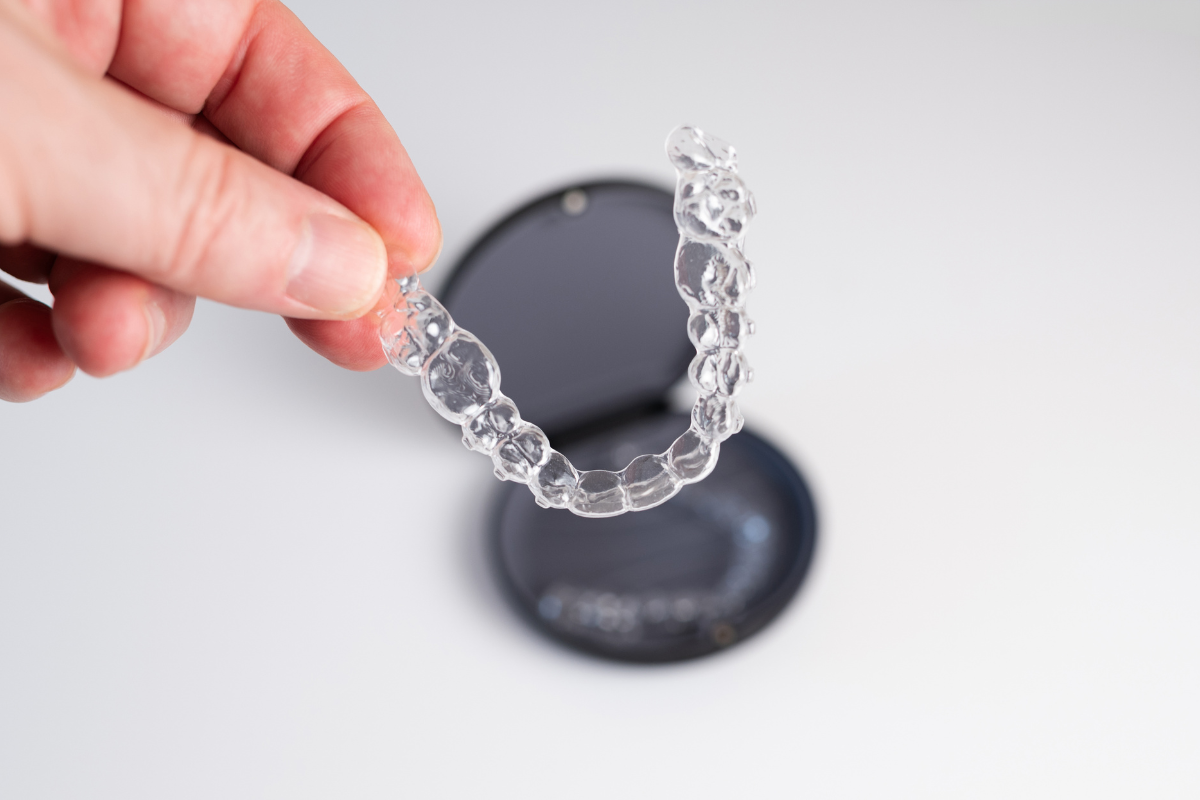
Always store aligners in their protective case when eating or drinking anything other than plain water. Wrapping them in napkins during meals at New York dining spots often leads to accidental disposal. Damaged or lost aligners require replacement trays, adding weeks to your timeline.
- Keep All Orthodontic Appointments
Regular check-ins, whether in-person at our Upper West Side office or via digital monitoring, allow your doctor to confirm tracking and make proactive adjustments before minor issues become major delays.
Why Local Expertise Matters for Your Invisalign Journey
Choosing a proficient orthodontist in NYC ensures your treatment is directed by a doctor who understands advanced biomechanics. At Central Park West Orthodontics, Dr. Maestre and Dr. Dolan utilize advanced digital
scanners to map your mouth down to the millimeter, eliminating messy traditional impressions and accelerating your start date.
When you receive treatment, local accessibility makes routine checks seamless. Located steps from Central Park, our practice combines high-tech orthodontic planning with personalized care to ensure your aligners track predictably from tray one to your final retainer.
Life After Invisalign: Retaining Your New Smile
Reaching your final aligner set is a major achievement, but maintaining those results requires ongoing care.
- Immediate Retention Phase: Wear your clear retainers full-time (20–22 hours daily) for the first few months as jawbone tissue stabilizes around your realigned teeth.
- Nighttime Maintenance: Transition to wearing retainers strictly at night to keep your teeth in ideal alignment for life.
- Regular Check-ups: Visit your orthodontist in NYC periodically to inspect your retainers for wear and ensure your bite remains stable.
Investing in high-quality Invisalign aligners in New York delivers lifelong benefits for your oral health, jaw function, and facial aesthetics.
Frequently Asked Questions (FAQs)
How fast can Invisalign broaden a narrow smile?
Noticeable widening of a narrow arch typically occurs within four to six months. Complete arch expansion usually requires 12 to 18 months of consistent daily wear under proper professional orthodontic supervision.
Can Invisalign fix my bite issues as quickly as braces?
Yes, for mild to moderate bite issues like overbites or open bites, clear aligners work just as quickly as traditional braces when combined with precision attachments and elastic bands worn consistently.
What happens if I forget to wear my aligners for a day?
Skipping a day causes teeth to drift back toward previous positions. Resume wearing your current aligners immediately and contact your doctor if the trays feel painful or no longer fit snugly over your teeth.
Are direct-to-consumer clear aligners faster than Invisalign?
Mail-order aligners may promise faster results, but they skip crucial in-person clinical exams and X-rays. This often leads to incomplete tooth movement, bite misalignment, or severe long-term dental damage needing costly corrections.
Does changing aligners more often speed up treatment?
No, changing aligners faster than prescribed does not speed up results. Teeth require time for bone remodeling; moving them too quickly risks root damage, severe pain, and aligners failing to track properly.
Why do some teeth move slower than others during aligner therapy?
Molars and severely rotated teeth move slower due to larger root surface areas and complex bone support. Single-rooted anterior teeth move faster, which is why front teeth straighten before complex bite shifts finish.
How do custom attachments help aligners work faster?
Tooth-colored attachments act as leverage handles for aligners, allowing plastic trays to apply targeted directional forces on smooth enamel. This enables precise, complex movements like rotations and extrusions far more efficiently.
A Discreet Teeth Alignment Treatment is Just an Appointment Away
Achieving a straight, healthy smile with Invisalign aligners in New York is an efficient and rewarding process when guided by expert hands. If you are ready to explore how clear aligner therapy can transform your smile on a schedule that fits your lifestyle, schedule your consultation with Dr. Mary Eve Maestre or Dr. John C. Dolan today.
Visit Central Park West Orthodontics or explore our specialized options to begin your journey toward a radiant, confident smile! Book an appointment today!