327 Central Park West (Suite 1A), New York, NY 10025



Completing orthodontic treatment is an exciting milestone. After months or even years of wearing braces or clear aligners, you finally have the straight, confident smile you worked so hard to achieve. But what happens after your braces come off? Is your smile guaranteed to stay perfectly aligned?
Not necessarily. Teeth can gradually shift over time, even after successful orthodontic treatment. This is why the retention phase is just as important as the treatment itself. Wearing your retainer as directed helps preserve your results and protects the time and effort you invested in creating a healthier, straighter smile.
At Central Park West Orthodontics, we believe that maintaining your results is an essential part of your orthodontic journey. Understanding how retainers work, how to care for them, and why consistent use matters can help you enjoy your beautiful smile for years to come.
Why Your Teeth Need Support After Orthodontic Treatment
Braces and clear aligners gradually move teeth into healthier, more balanced positions. During this process, the surrounding bone, gums, and periodontal ligaments adapt to these changes.
However, once orthodontic appliances are removed, the supporting tissues need time to stabilize around the newly positioned teeth. Your teeth also have a natural tendency to move throughout life. Without proper support, they may gradually drift toward their previous positions.
This movement is commonly known as orthodontic relapse.
Retainers help prevent unwanted shifting by holding your teeth in their corrected positions while the surrounding tissues adjust. They also provide ongoing support against the natural changes that can affect dental alignment over time.
Different Types of Retainers and How They Work
Not every patient needs the same type of retainer. Your orthodontist will recommend an option based on your treatment results, bite, dental needs, and lifestyle.
Generally, there are two main categories: fixed and removable retainers.
- Fixed Retainers
A fixed retainer is a thin metal wire bonded to the back surfaces of certain teeth, commonly the lower front teeth. Because it stays in place, it provides continuous support without requiring you to remember to put it in every night.
Benefits of fixed retainers include:
- Continuous support to help maintain tooth alignment.
- No need to remove or reinsert the appliance.
- A discreet design that is generally not visible when smiling.
- Convenient long-term support for patients who may struggle with a removable appliance routine.
However, fixed retainers require careful cleaning. Food particles and plaque can collect around the bonded wire, so proper brushing and flossing are important.
- Removable Retainers
Removable retainers can be taken out when eating, drinking certain beverages, or cleaning your teeth. They are available in different designs, including clear plastic and traditional Hawley retainers.
Common removable options include:
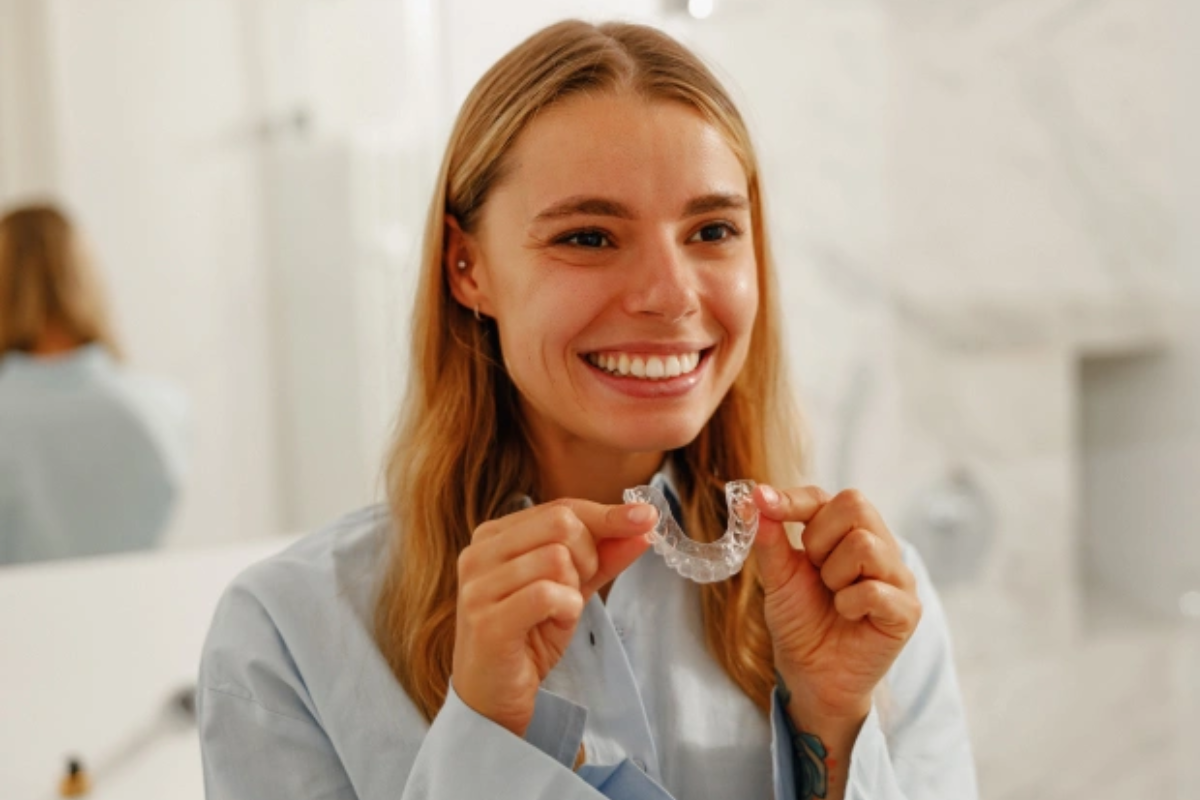
- Clear retainers: These are transparent, custom-made trays that fit over your teeth. Their discreet appearance makes them a popular choice for patients who prefer a less noticeable option.
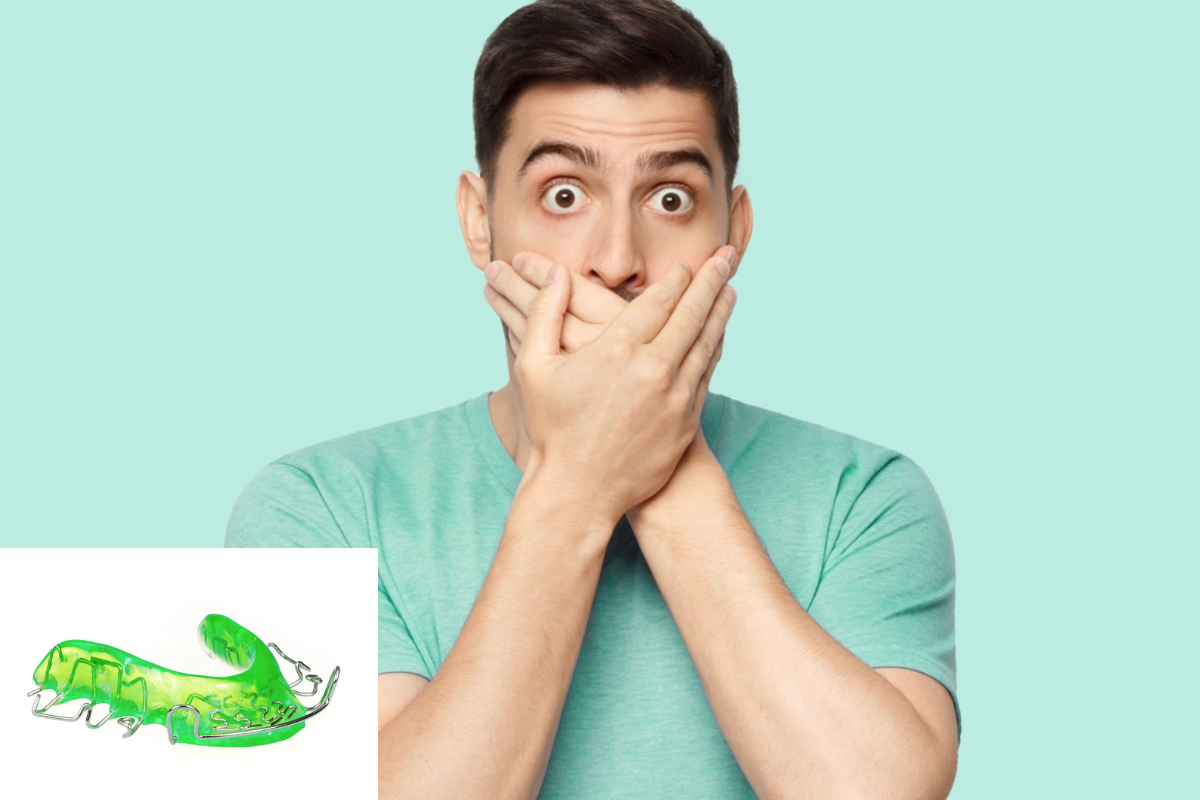
- Hawley retainers: These traditional appliances feature an acrylic base and a thin metal wire that holds the teeth in position. They are durable and can sometimes be adjusted by an orthodontist.
Both options can effectively maintain orthodontic results when worn according to professional instructions.
What Happens If You Stop Wearing Your Retainer?
One of the most common mistakes patients make after completing orthodontic treatment is assuming that their teeth will remain straight permanently without additional care.
Unfortunately, this is not always the case.
When you stop wearing your retainer, your teeth may gradually shift. Even small changes can affect the alignment of your smile, bite, and the appearance of your teeth.
Some potential consequences include:
- Crowded teeth: Previously straight teeth may begin overlapping or becoming uneven.
- New spacing: Small gaps can develop between teeth that were previously aligned.
- Changes in your bite: Tooth movement may affect how your upper and lower teeth come together.
- Additional treatment: Significant shifting may require renewed orthodontic treatment to restore proper alignment.
The amount of movement varies from person to person. Consistent retainer use is one of the most effective ways to protect your orthodontic results and reduce the likelihood of needing corrective treatment later.
How Long Should You Wear Your Retainer?
There is no single schedule that works for everyone. Your recommended wear time depends on your original alignment concerns, treatment results, age, and individual dental characteristics.
Many patients are initially instructed to wear their removable retainers for most of the day, removing them only for meals and cleaning. Once their teeth become more stable, their orthodontist may recommend transitioning to nighttime wear.
However, retention is generally a long-term commitment. Teeth can continue to move naturally throughout adulthood, so wearing a retainer indefinitely, often at night, may be recommended.
Never change your wear schedule without consulting your orthodontist. Following professional guidance is essential to maintaining your results.
How to Clean and Maintain Your Retainer
Proper retainer care is important for both appliance longevity and oral hygiene. Retainers can accumulate bacteria, plaque, and food debris if they are not cleaned regularly.
Follow these practical maintenance tips:
- Rinse after use: Rinse your removable retainer with lukewarm water to remove saliva and loose debris.
- Clean it gently: Use a soft-bristled toothbrush and a cleaning method recommended by your orthodontist.
- Avoid hot water: High temperatures can distort plastic retainers and affect their fit.
- Use a protective case: Always store your removable appliance in its designated case when you are not wearing it.
- Maintain good oral hygiene: Brush and floss regularly before putting your appliance back in.
- Clean fixed appliances carefully: Use appropriate flossing tools or interdental brushes to clean around bonded wires.
Avoid using harsh chemicals or abrasive cleaning products unless specifically recommended by your orthodontist.
Signs Your Retainer Needs Professional Attention
Retainers are designed for regular use, but they do not last forever. Over time, they may become damaged, worn, or lose their proper fit.
Contact your orthodontist if you notice:
- Cracks, bends, or broken wires.
- A removable appliance that feels unusually tight or loose.
- Sharp edges that irritate your gums or cheeks.
- Difficulty placing the retainer over your teeth.
- Changes in your tooth alignment.
Do not force a retainer that no longer fits properly. Doing so may cause discomfort or place unwanted pressure on your teeth. Your orthodontist can evaluate the appliance and determine whether it needs adjustment or replacement.
Protect Your Smile With Ongoing Orthodontic Care
Completing braces or clear aligner treatment is a major achievement, but maintaining your results requires continued attention. A consistent retention routine helps prevent unwanted tooth movement, preserve your bite, and protect your investment in orthodontic care.
At Central Park West Orthodontics, our team is committed to helping patients maintain healthy, confident smiles beyond their active treatment. Whether you need guidance on choosing the right appliance, replacing a damaged retainer, or checking your existing fit, professional support can help you stay on track.
If you have questions about maintaining your orthodontic results, contact Central Park West Orthodontics at (646) 698 8799 to schedule a consultation and learn how to keep your smile looking its best for years to come.
Frequently Asked Questions
- Why is wearing a retainer important after braces?
After braces are removed, the surrounding bone and tissues need time to stabilize around the new tooth positions. A retainer helps hold your teeth in place and reduces the risk of orthodontic relapse.
- Can teeth shift even after years of wearing a retainer?
Yes. Teeth can naturally change position throughout life due to aging, dental changes, and other factors. Consistent retainer use and periodic orthodontic evaluations help minimize unwanted movement.
- Is a fixed or removable appliance better?
Both options can effectively maintain tooth alignment. Fixed appliances provide continuous support, while removable options offer flexibility for eating and cleaning. Your orthodontist can recommend the most appropriate option for your needs.
- What should I do if my retainer no longer fits?
Do not force it into place. Contact your orthodontist for an evaluation. A poor fit may indicate that your teeth have shifted or that the appliance is damaged and needs adjustment or replacement.
- How often should I clean my retainer?
Clean your removable appliance regularly, ideally every day, following your orthodontist’s instructions. Rinse it after use, clean it gently, and store it in a protective case when not wearing it. Fixed appliances also require daily brushing and careful flossing.