327 Central Park West (Suite 1A), New York, NY 10025



Deciding to transform your smile is an exciting milestone. Whether you want to correct crowded teeth, fix a misaligned bite, or simply boost your confidence, getting orthodontic treatment is one of the best investments you can make in your oral health. However, once you make the commitment to enhance your smile, you are immediately confronted with an important question: When learning how to get braces, should you book an appointment with your general dentist or see a specialized orthodontist?
As both dental professionals work inside your mouth and focus on your teeth, it is easy to assume their roles are interchangeable. However, while all orthodontic specialists are dentists, fewer than ten percent of general dentists are licensed orthodontic care providers. Choosing the right practitioner from the very beginning can dramatically influence your treatment timeline, overall comfort, and long-term results.
At Central Park West Orthodontics, our experienced team, led by board-certified specialists Dr. Mary Eve Maestre and Dr. John C. Dolan, delivers highly customized bite correction and alignment solutions designed to give every patient a functional, lifelong smile. If you are exploring your options for braces in New York, understanding the distinct expertise of a New York orthodontist ensures you start your journey on the safest, most effective path possible.
Dentist vs. Orthodontist: Understanding the Core Differences
To understand who should manage your orthodontic care, it helps to look at medical specializations. Think of your general dentist as your primary care doctor and an orthodontic specialist as a specialized surgeon or cardiologist. Both hold doctoral degrees in dentistry, but their day-to-day focus and advanced clinical training diverge significantly.
Educational Requirements and Specialized Training
- General Dentist: Completes four years of undergraduate study followed by four years of dental school to earn either a Doctor of Dental Surgery (DDS) or Doctor of Dental Medicine (DMD) degree. Their training encompasses comprehensive oral care across all age groups.
- Orthodontist: Graduates from dental school as a DDS or DMD and then undergoes an additional two to three years of intense, full-time residency in an accredited orthodontic graduate program. During these thousands of hours of specialized training, they study facial orthopedics, tooth movement mechanics, jaw alignment, and complex craniofacial development.
Scope of Daily Practice
A general dentist focuses on broad preventive and restorative oral health. Their daily routine includes routine cleanings, treating cavities, performing root canals, placing crowns, managing gum health, and diagnosing general oral disease.
In contrast, an orthodontic care provider spends 100% of their practice diagnosing, preventing, and correcting malocclusions (bad bites), misaligned jaws, and crooked teeth. As a trusted orthodontist in New York, we help patients with expertise in treating dental misalignment. They often face complex bite issues that general dentists rarely handle.
What Role Does Your General Dentist Play in Your Orthodontic Care?
Your general dentist remains an indispensable partner throughout your smile transformation. Before any brackets are placed or clear aligners are fitted, your mouth must be entirely healthy, clean, and disease-free. Moving teeth through inflamed gums or decaying bone structure can cause permanent harm, including tissue recession or tooth loss.
Your primary dentist is responsible for:
- Pre-Treatment Clearance: Performing thorough checkups, professional cleanings, and filling any existing cavities before orthodontic work begins.
- Periodontal Monitoring: Ensuring your gum tissue and jawbone are sturdy enough to withstand the biological forces applied during tooth movement.
- Ongoing Maintenance: Providing routine cleanings every six months while you wear appliances, helping you keep hard-to-reach areas clean and free of plaque build-up.
While your primary dentist keeps your teeth and gums healthy, they typically refer patients to a specialized provider when structural realignments or complex bite adjustments are needed.
What Does an Orthodontist Specialize In?
An orthodontic practitioner is an expert in the biological mechanics of moving teeth safely through bone. Teeth are not fixed permanently in stone; they sit within dynamic bone tissue held by periodontal ligaments. Moving them safely requires precise control over vector forces, root positioning, and jaw biomechanics.
When you seek braces in New York, a specialist evaluates much more than just the visible surfaces of your front teeth. They analyze your entire facial profile, airway, temporomandibular joints (TMJ), and how your upper and lower arches fit together when chewing and speaking.
Specialized Conditions an Orthodontist Treats:
- Overbites and Underbites: Where the upper or lower jaw protrudes significantly further forward than the other.
- Crossbites: When one or more upper teeth bite inside the lower teeth rather than outside.
- Open Bites: Where front or side teeth do not touch when the back jaw is fully closed.
- Severe Overcrowding and Spacing: Complex cases where teeth overlap dramatically, rotate, or remain impacted beneath the gum line.
- Jaw Asymmetry: Discrepancies in skeletal growth that affect facial aesthetics and chewing functionality.
By using advanced 3D intraoral scanners, digital panoramic X-rays, and computer-assisted treatment planning, a New York orthodontist maps out the millimeter-by-millimeter movement of every single tooth root to ensure long-term stability.
Can General Dentists Provide Braces or Clear Aligners?
It is increasingly common to see general dentists offering clear aligner therapy or short-term cosmetic braces. Many dentists take weekend continuing education courses to learn how to administer brand-name aligner systems. For minor cosmetic adjustments, such as straightening slightly rotated front teeth, a trained general dentist can sometimes achieve an acceptable aesthetic outcome.
However, there is a distinct difference between cosmetic tooth straightening and comprehensive orthodontic bite correction:
| Feature / Capability | General Dentist | Specialized Orthodontist |
| Comprehensive Oral Health & Cavity Care | Primary Focus | Refers back to Dentist |
| Specialized Orthodontic Residency Training | No (Short CE Courses) | Yes (2–3 Years Full-Time) |
| Simple Aesthetic Alignments | Often Available | Fully Mastered |
| Complex Bite & Jaw Realignment | Limited / Not Recommended | Primary Specialty |
| Customized Biomechanical Adjustments | Relies on Manufacturer Prescriptions | Custom Designed by Specialist |
If an underlying skeletal issue or bite imbalance is misdiagnosed, relying solely on basic aligner trays can lead to unintended consequences, including enamel wear, joint pain (TMJ issues), gum recession, or bite relapse. To review the full scope of specialized treatments available for complex and routine cases, explore our comprehensive range of orthodontic care services.
How to Get Braces: Your Step-by-Step Pathway
If you are ready to begin treatment, following a structured process ensures a smooth, predictable journey from your initial evaluation to your final retention stage.
Step 1: Secure Dental Clearance
Visit your regular dentist for a thorough cleaning and exam. Resolve any existing issues like cavities, gingivitis, or loose restorations before starting your alignment journey.
Step 2: Schedule an Orthodontic Consultation
Book an initial examination with a specialist. During this visit, high-resolution 3D digital impressions, cephalometric X-rays, and clinical photographs are taken to evaluate your skeletal structure and root orientation.
Step 3: Choose Your Custom Appliance
Your specialist will review your diagnostic records and discuss the best appliances for your lifestyle, budget, and clinical needs. When getting braces in New York, options typically include:
- Traditional Metal Braces: High-grade stainless steel brackets that offer unparalleled control for complex tooth movements.
- Clear Ceramic Braces: Tooth-colored or translucent brackets that blend seamlessly with your enamel for a subtle appearance.
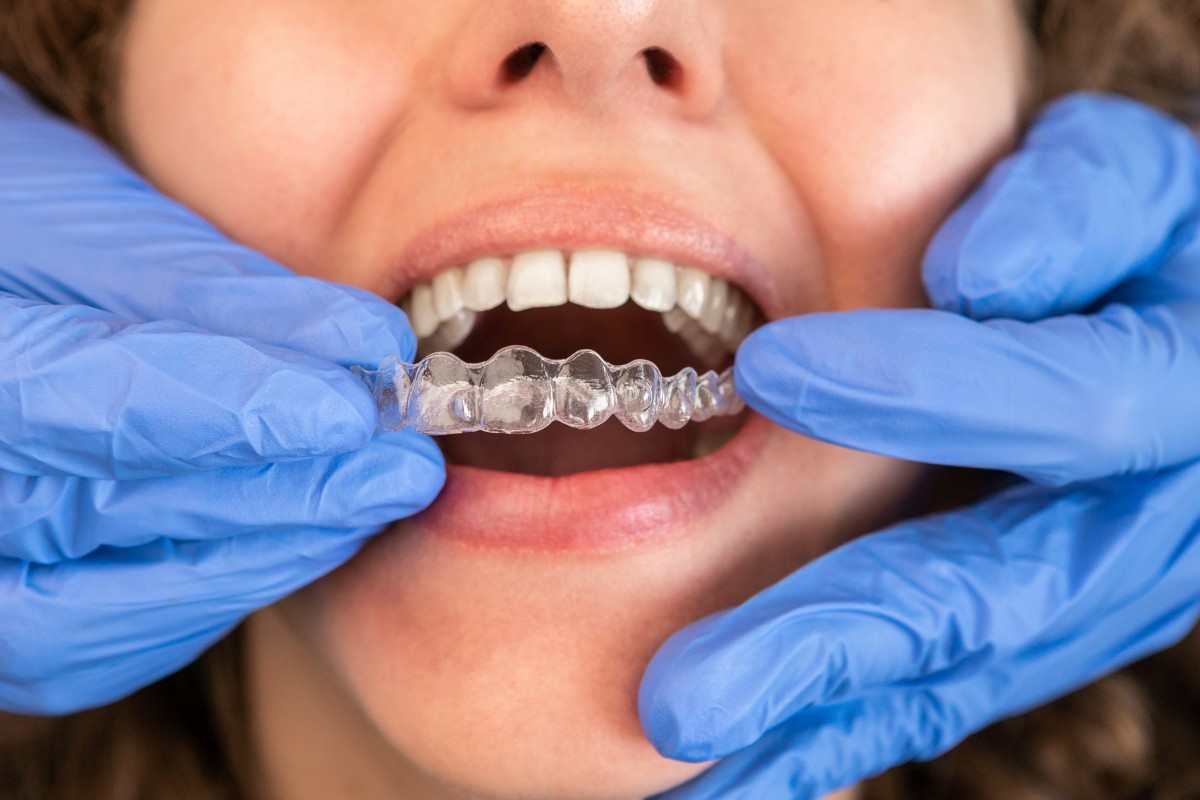
- Custom Clear Aligners: Removable, virtually invisible tray systems custom-engineered for discrete daily wear.
Step 4: Active Treatment Phase
Once your appliances are placed or your aligner trays are delivered, you will attend progress checks every four to eight weeks. These visits allow your practitioner to make micro-adjustments to archwires, replace elastics, and verify that your teeth are moving safely according to schedule.
Step 5: Retention
After your appliances are removed, wearing a custom-fitted retainer preserves your new alignment while the surrounding bone consolidates around the repositioned roots.
Why Localized Specialty Care Matters in New York
Navigating healthcare in Manhattan requires convenience, accessibility, and uncompromised quality. When undergoing treatment that involves regular visits over 12 to 24 months, having a neighborhood practice near home, school, or work makes staying on track effortless.
Choosing an established local practice ensures you receive consistent care tailored to your busy schedule. Whether you live on the Upper West Side or commute across the city, working with a dedicated New York orthodontist provides rapid access for wire adjustments, emergency care, and direct, face-to-face communication with your treating doctors.
Frequently Asked Questions
- Is seeing an orthodontist better than seeing a dentist for braces?
Yes. Orthodontists undergo two to three additional years of specialized residency training focused exclusively on tooth movement and jaw alignment, ensuring safer, more precise, and longer-lasting results for complex bite corrections.
- Can my general dentist transfer my orthodontic care to a specialist later?
Yes. If a general dentist starts aligner therapy and encounters unexpected alignment or bite complications, they frequently refer the patient to a licensed specialist to correct vector forces and finish treatment safely.
- Do I need a referral from my dentist to see an orthodontist?
No referral is necessary. You can schedule a direct consultation with a specialist whenever you choose, although consulting your primary dentist beforehand ensures your teeth and gums are healthy and cleared for movement.
- Are clear aligners as effective as traditional braces?
When designed and monitored by an experienced specialist, clear aligners are highly effective for most mild to moderate issues. However, severe skeletal discrepancies or complex tooth rotations often respond better to fixed braces.
- How long does the average orthodontic treatment take?
Comprehensive orthodontic treatment typically ranges between 12 and 24 months, depending on age, bite complexity, compliance, and individual biology. Minor cosmetic realignments may take as little as six to nine months.
- Is getting braces painful?
Modern appliances use gentle, continuous forces that significantly minimize discomfort. Patients typically feel mild pressure or tenderness for a few days following initial placement or routine adjustments, which easily resolves with over-the-counter pain relievers.
- How much do braces cost compared to clear aligners?
Costs are generally comparable and depend primarily on case complexity and duration rather than appliance type. Most specialty practices offer flexible payment options, low down payments, and direct benefit coordination with dental insurance plans.
Get a Perfect Solution for Your Misaligned Teeth
Choosing between a general dentist and a specialist comes down to expertise, safety, and precision. While your primary dentist keeps your smile healthy, a specialized practitioner ensures your bite is functional, beautifully aligned, and built to last a lifetime.
If you are evaluating options for braces in New York, experience the difference that dedicated specialty care brings. Under the guidance of Dr. Mary Eve Maestre and Dr. John C. Dolan, our practice combines the latest technology with compassionate, individualized treatment.
Visit Central Park West Orthodontics today to schedule your comprehensive consultation and take the first step toward your dream smile!