327 Central Park West (Suite 1A), New York, NY 10025


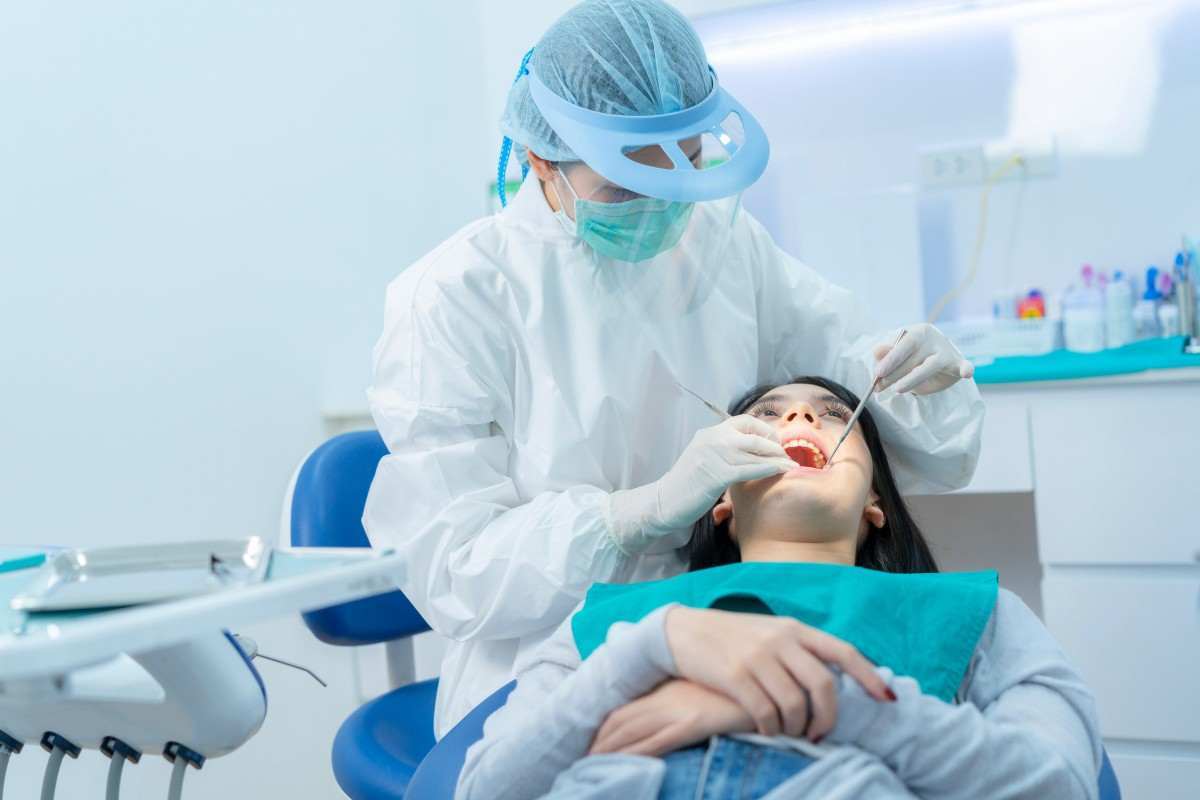
Is your child too young for orthodontic treatment, or could early evaluation prevent a developing bite problem from becoming harder to manage? This is a common concern for parents as permanent teeth begin to appear.
Phase 1 orthodontics, also called interceptive orthodontic treatment, evaluates developing teeth, jaw growth, and bite relationships while a child still has both baby and permanent teeth. The American Association of Orthodontists recommends an orthodontic checkup by age 7 because certain developmental concerns can be identified at this stage.
At Central Park West Orthodontics, Dr. Maestre helps families understand whether early treatment is appropriate or whether monitoring is the better choice. Parents seeking an orthodontist in New York can use an early evaluation to better understand their child’s dental development without assuming treatment must begin immediately.
What Is Phase 1 Orthodontics for Children?
This is early treatment provided while a child’s jaws and permanent teeth are still developing. It generally occurs during the mixed-dentition stage, when both primary and permanent teeth are present.
The objective is not simply to straighten a few crooked teeth. Early treatment may address jaw development, bite discrepancies, severe crowding, eruption problems, or limited space for incoming permanent teeth.
Depending on the child’s needs, treatment may involve:
- Palatal expansion
- Limited braces
- Space-maintaining appliances
- Functional orthodontic appliances
- Retainers or other removable appliances
Not every child needs these treatments. A clinical examination determines whether intervention offers a meaningful developmental benefit.
Why Do Orthodontists Recommend an Evaluation Around Age 7?
By about age 7, children usually have enough permanent teeth for an orthodontist to assess how their bite and jaws are developing. This does not mean every seven-year-old needs braces.
The American Association of Orthodontists ( AAO) recommends an initial orthodontic checkup no later than age 7. At this stage, an orthodontic professional can identify developing concerns and decide whether to treat, monitor, or simply wait.
For families across the Upper West Side and surrounding New York City communities, an early assessment can provide clarity before more permanent teeth erupt.
What Problems Can Early Orthodontic Treatment Address?
An orthodontist in NYC may recommend early treatment when a developing condition can be managed more effectively during active growth.
Common concerns include:
- Crossbite: Upper teeth may sit inside the lower teeth.
- Underbite: Lower front teeth may extend ahead of upper teeth.
- Severe crowding: The dental arches may lack adequate room for permanent teeth.
- Abnormal eruption: Permanent teeth may emerge in unfavorable positions.
- Jaw growth discrepancies: The upper and lower jaws may develop at different rates.
- Space loss: Early loss of a baby tooth may affect space for its permanent replacement.
These problems do not automatically require treatment. Their severity, growth pattern, dental development, and potential effect on oral function all matter.
How Can Early Treatment Benefit a Growing Child?
The main benefit of Phase 1 orthodontics is the opportunity to address selected developmental problems while growth is still occurring.
For some children, treatment can guide jaw development, improve bite relationships, preserve or create space for permanent teeth, and reduce the severity of certain orthodontic problems. Early care may also establish better conditions for later comprehensive treatment.
A child with a developing crossbite, for example, may benefit from treatment during growth rather than waiting until adolescence. However, many children can safely wait.
At Central Park West Orthodontics, our trusted orthodontist in New York City can assess the complete bite rather than focusing only on visibly crooked teeth.
Does Every Child Need Phase 1 Treatment?
No, this is one of the most important points for parents to understand.
Many orthodontic concerns can be managed successfully with one comprehensive phase after more permanent teeth erupt. The AAO notes that two-phase treatment is intended for specific developmental problems, not for every child.
Sometimes the right recommendation is simply observation. Regular growth checks allow an orthodontist in New York to monitor tooth eruption, jaw development, spacing, and bite changes.
If you notice significant crowding, an unusual bite, protruding teeth, or delayed tooth eruption, contact us at 917-336-8548 to discuss an orthodontic evaluation.
What Happens After Phase 1 Treatment?
Early treatment does not always eliminate the possibility of braces or aligners later.
After Phase 1 orthodontics is completed, there is often a monitoring period. During this time, additional permanent teeth erupt, and the jaws continue developing. The pediatric orthodontic professional checks progress and determines whether comprehensive treatment is eventually needed.
If a second phase becomes appropriate, treatment focuses more closely on final tooth alignment and bite coordination. This distinction is important for parents comparing early treatment with traditional adolescent orthodontics.
What Should Parents Expect at an Early Orthodontic Evaluation?
An early evaluation is primarily about understanding development and timing.
The orthodontic professional examines tooth position, bite relationships, available space, jaw growth, and eruption patterns in kids’ oral cavities. Appropriate diagnostic records may also be recommended when necessary.
For busy Manhattan families, seeing an orthodontist in NYC early can replace uncertainty with a clear plan. That plan may involve treatment, periodic monitoring, or waiting until the child reaches a more appropriate developmental stage.
Give Your Child the Right Orthodontic Care at the Right Time
Early orthodontic care is not about putting every young child into braces. It is about identifying conditions that may benefit from intervention while growth can still influence treatment.
At Central Park West Orthodontics, Dr. Maestre evaluates each child’s bite, tooth eruption, and jaw development before recommending care. Families throughout New York City, including those on the Upper West Side and in nearby Manhattan communities, can visit our dental office for an early orthodontic evaluation.
If you are searching for a reputable orthodontist in New York, consider scheduling an evaluation with us to learn whether your child needs treatment now or simply careful monitoring.
Frequently Asked Questions
- What signs suggest my child should see an orthodontist early?
Consider an evaluation if your child has significant crowding, protruding teeth, an underbite, a crossbite, difficulty biting, unusual jaw positioning, or permanent teeth erupting in unexpected positions. Persistent oral habits may also affect dental development. An orthodontic examination can determine whether treatment or observation is appropriate.
- Does early orthodontic treatment mean my child will avoid braces later?
Not necessarily. Early treatment addresses specific developmental concerns during childhood. Some children still require comprehensive braces or clear aligners after their permanent teeth erupt. The purpose of early care is to manage problems that benefit from timely intervention, rather than to guarantee that future orthodontic treatment will not be needed.
- How long does early orthodontic treatment take?
Treatment length depends on the problem being corrected, the appliance used, and the child’s response to treatment. Because every developing bite is different, there is no single timeline that applies to all children. An orthodontic evaluation provides a clearer estimate based on your child’s dental development and treatment goals.
- Can crooked baby teeth be left alone?
Mild irregularities in baby teeth do not always require treatment. Orthodontists look beyond individual crooked teeth and assess jaw relationships, spacing, permanent tooth eruption, and the overall bite. An evaluation can distinguish normal developmental changes from conditions that may benefit from early intervention.
- What is the difference between Phase I and Phase II orthodontic treatment?
Phase I focuses on selected growth, bite, spacing, or eruption problems while a child still has a mixture of baby and permanent teeth. Phase II usually occurs later, after most permanent teeth have erupted, and focuses on comprehensive tooth alignment and bite refinement. Not every child requires both phases.