327 Central Park West (Suite 1A), New York, NY 10025



Crooked teeth, crowded teeth, and bite problems can affect more than the appearance of your smile. They may also make brushing and flossing difficult, contribute to uneven tooth wear, and affect how your upper and lower teeth fit together.
Orthodontic treatment can help address these concerns by gradually moving teeth into healthier positions. Whether you are exploring braces for yourself or your child, understanding the available options and what treatment involves can make the decision easier.
If you are considering braces in New York City, this guide explains how braces work, their benefits, the different types available, and how to care for your teeth throughout treatment.
What Are Braces and How Do They Work?
Braces are orthodontic appliances designed to correct tooth alignment and improve the way the teeth fit together. They use gentle, controlled forces to move teeth gradually over time.
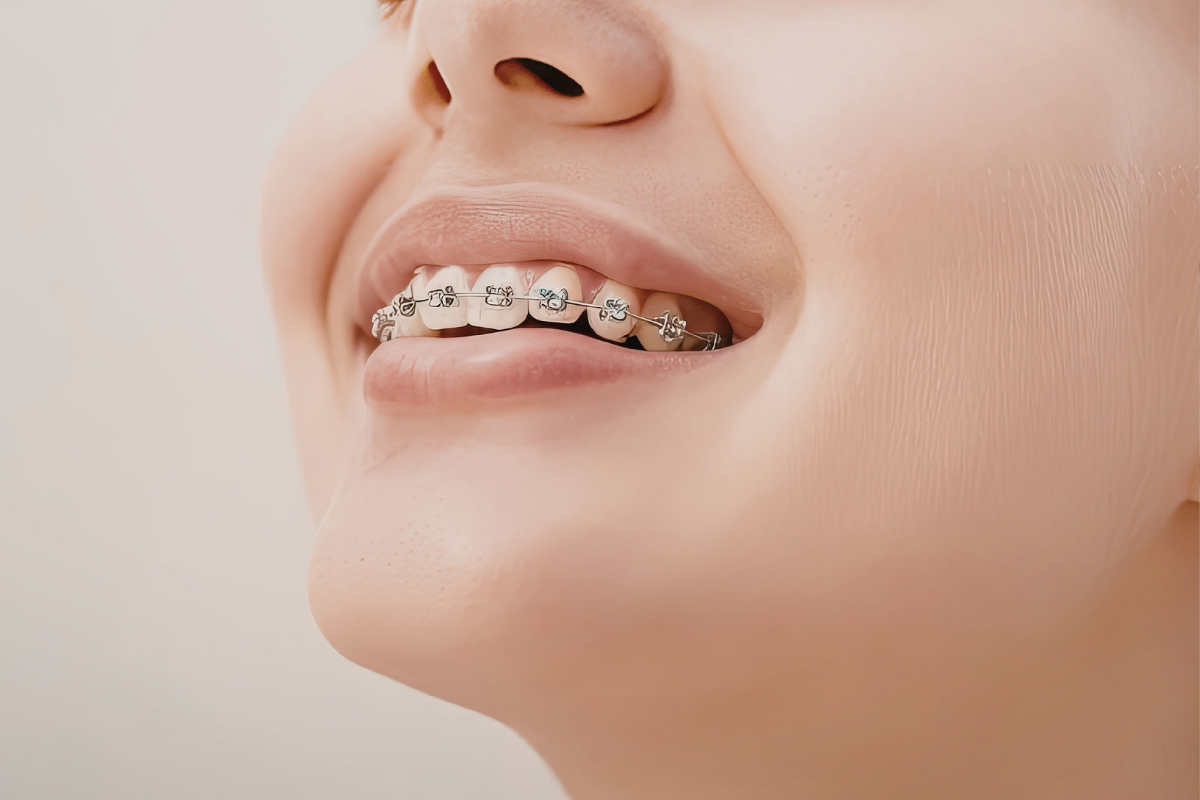
Traditional braces typically consist of three main components:
- Brackets: Small attachments bonded to the teeth to help guide their movement.
- Archwires: Wires that connect the brackets and apply controlled pressure.
- Elastics or other components: Additional parts that may help guide tooth movement or correct specific bite problems.
Not every patient needs the same orthodontic approach. Treatment depends on factors such as crowding, spacing, tooth position, bite alignment, and the stage of dental development.
Before recommending braces, an orthodontist evaluates your teeth and bite. This assessment may include a clinical examination, photographs, X-rays, and digital scans or impressions when appropriate.
The findings help the orthodontist develop an individualized treatment plan based on your needs and goals.
5 Benefits of Orthodontic Treatment
Braces are often associated with straighter teeth, but the benefits can extend beyond appearance.
- Straighter Teeth and a More Balanced Smile
Crowded, rotated, or widely spaced teeth can make a smile appear uneven. Braces gradually reposition teeth to improve their alignment and overall appearance.
Treatment is customized to your dental structure and the result you want to achieve. Your orthodontist considers the position of individual teeth, the relationship between the upper and lower arches, and your facial profile when planning treatment.
Although cosmetic improvement is an important goal for many patients, orthodontic treatment also focuses on creating a functional bite.
- Improved Bite Alignment
A bite problem occurs when the upper and lower teeth do not meet as they should. Common examples include overbites, underbites, crossbites, and open bites.
Depending on the underlying issue, braces may help correct these relationships by moving teeth into better positions. Some cases require additional orthodontic appliances or other treatment approaches.
Improving bite alignment can help distribute chewing forces more evenly and reduce certain types of uneven tooth wear. The appropriate treatment depends on whether the problem involves tooth position, jaw growth, or both.
- Easier Brushing and Flossing
Crowded or overlapping teeth can create areas that are difficult to clean. Food particles and plaque may accumulate in these spaces, increasing the risk of cavities and gum inflammation.
Correcting alignment can make some areas easier to reach with a toothbrush and floss. However, straight teeth alone do not prevent dental problems. Consistent oral hygiene and routine dental checkups remain essential during and after orthodontic treatment.
- Support for Long-Term Oral Health
When teeth are difficult to clean or the bite places excessive pressure on certain teeth, maintaining oral health may become more challenging.
Orthodontic treatment can help address some alignment-related concerns. Correcting specific bite problems may also reduce abnormal contact between teeth, depending on the condition being treated.
Braces are not a substitute for preventive dental care, and they do not guarantee that cavities, gum disease, or jaw discomfort will be prevented. Your orthodontist can explain the benefits and limitations expected in your particular case.
- Greater Confidence in Everyday Life
For some patients, feeling uncomfortable about crooked or crowded teeth can affect their willingness to smile in photographs or social situations.
Orthodontic treatment offers an opportunity to improve alignment and work toward a smile that feels more comfortable and natural to the patient.
Results take time, and each treatment plan is different. Discussing your concerns and expectations with an orthodontist can help you understand what changes are realistic.
What Types of Braces Are Available?
Several orthodontic options can correct misalignment. The best choice depends on the complexity of your case, your lifestyle, your oral health, and your treatment preferences.
Traditional Metal Braces
Metal braces use brackets and wires to move teeth gradually. They are a well-established option for treating a wide range of orthodontic concerns, including many complex cases.
Because the brackets are visible, some patients prefer a less noticeable alternative. However, metal braces can be an effective choice for children, teenagers, and adults when they suit the treatment plan.
Ceramic Braces
Ceramic braces use tooth-colored or translucent brackets that can blend more naturally with the teeth. They work on similar principles to traditional braces but may be less noticeable.
Ceramic brackets can be appealing to patients who want a more discreet fixed appliance. They still require careful cleaning and may need additional attention to avoid damage or staining of surrounding components.
Clear Aligners
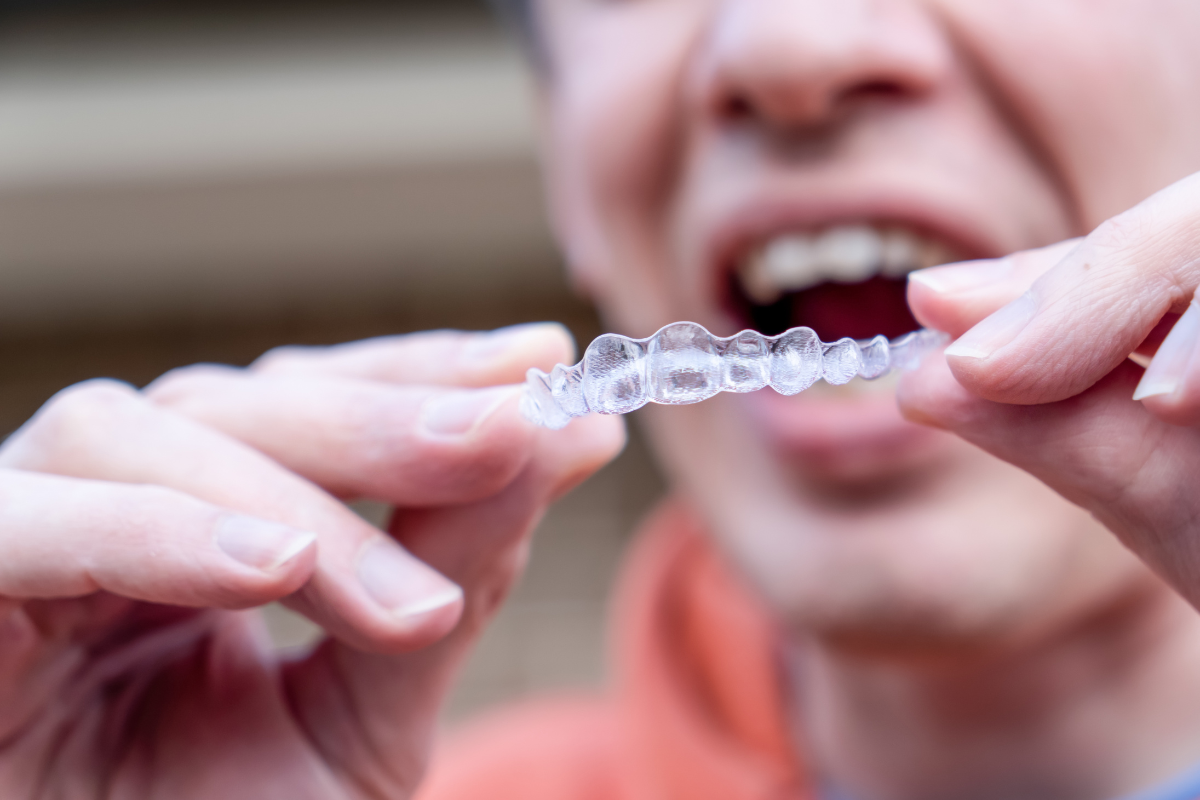
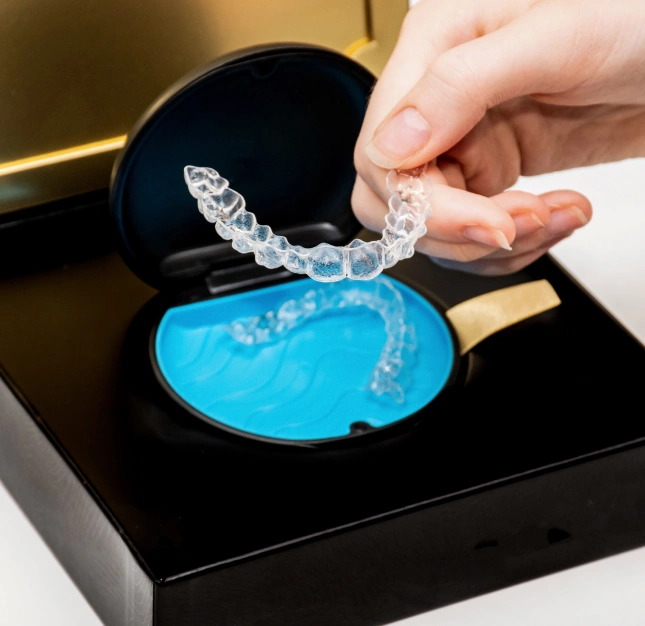
Clear aligners are removable, transparent trays designed to move teeth in a planned sequence. They are different from clear or ceramic brackets because they do not use a fixed bracket-and-wire system.
Aligners may be suitable for many mild to moderate orthodontic concerns, although some complex cases may be better managed with braces or a combination of approaches.
Successful aligner treatment requires consistent wear according to the orthodontist’s instructions. Because the trays are removable, patients must also remember to remove them for meals and clean their teeth before putting them back in.
Your orthodontist can explain which option is most appropriate for your needs.
What to Expect During Braces Treatment
Knowing the main stages of treatment can help you prepare for the process.
Step 1: Orthodontic Consultation
Your first visit typically includes a review of your concerns, an examination of your teeth and bite, and a discussion of possible treatment options.
The orthodontist may recommend diagnostic records, such as X-rays or digital scans, to assess tooth position and plan treatment.
Step 2: Personalized Treatment Planning
After evaluating your dental condition, the orthodontist develops a treatment plan. This includes the type of appliance, the movements needed, the expected treatment duration, and any additional procedures that may be necessary.
You can use this appointment to ask about comfort, maintenance, costs, and how treatment may fit into your daily routine.
Step 3: Braces Placement
If fixed braces are selected, the brackets are bonded to the teeth and connected with an archwire. The appointment usually involves preparing the teeth, placing the brackets, and checking that the appliance is positioned correctly.
Your teeth may feel pressure or soreness after placement. This discomfort generally improves as you adjust to the braces.
Step 4: Regular Adjustment Visits
You will return for periodic appointments so the orthodontist can monitor progress and make adjustments when needed. The timing varies by treatment plan and appliance.
These visits help the orthodontist assess tooth movement, check the braces, and address any concerns that arise.
Step 5: Retention After Treatment
Once active treatment is complete, retainers help maintain the new tooth positions. Teeth can shift over time, so following your retainer instructions is an important part of protecting your results.
Your orthodontist will explain how often to wear your retainer and when to schedule follow-up visits.
How Long Do You Need to Wear Braces?
Treatment time depends on the complexity of your case, the type of appliance, the amount of tooth movement required, and how consistently you follow your orthodontist’s instructions.
Many patients wear braces for approximately 18 months to three years, although some treatments take less time and others take longer.
Keeping appointments, maintaining good oral hygiene, and following instructions about elastics or other appliances can help treatment progress as planned. Your orthodontist can provide a more personalized estimate after evaluating your teeth.
How to Care for Your Teeth While Wearing Braces
Braces create additional areas where plaque and food particles can collect. A consistent care routine helps protect your teeth and gums during treatment.
- Brush carefully after meals: Use a soft-bristled toothbrush and fluoride toothpaste. Clean around brackets, along the gumline, and behind the teeth.
- Clean between your teeth daily: Floss threaders or orthodontic cleaning tools may make it easier to clean around the wires.
- Choose braces-friendly foods: Avoid hard, sticky, or chewy foods that may damage brackets or wires.
- Keep regular dental appointments: Continue seeing your general dentist for routine examinations and preventive care.
- Follow orthodontic instructions: Wear elastics or other prescribed appliances as directed.
- Contact your orthodontist about problems: A loose bracket, broken wire, or persistent discomfort may require professional advice.
If a wire or bracket causes irritation, contact your orthodontic office for guidance. Do not cut or remove components unless your orthodontist specifically advises you how to manage the situation safely.
Explore Braces in New York City
Choosing orthodontic treatment is a personal decision. The right approach should address your alignment concerns, support a functional bite, and fit your daily routine.
Central Park West Orthodontics helps patients explore orthodontic options based on their individual needs. Whether you are considering traditional metal braces, ceramic braces, or clear aligners, a consultation can help you understand the available treatments, expected timeline, and care requirements.
Ready to take the next step toward a healthier, more balanced smile? Call Central Park West Orthodontics at (646) 698-8744 or schedule a consultation to discuss your orthodontic goals.
Frequently Asked Questions About Braces
- At what age can someone get braces?
There is no single age that is right for everyone. Children may benefit from an orthodontic evaluation by around age seven, when developing bite or alignment concerns can be identified. Many patients begin treatment during their teenage years, and adults can also benefit from orthodontic care.
- Do braces hurt?
Braces may cause pressure, tenderness, or mild soreness after placement and adjustments. This usually improves within a few days. Persistent or severe pain should be discussed with your orthodontist.
- Can braces correct an overbite or underbite?
Braces can correct many bite problems, including certain overbites, underbites, and crossbites. The treatment needed depends on the severity of the problem and whether it involves tooth position, jaw development, or both.
- How often do I need orthodontic appointments?
Appointment schedules vary by appliance and treatment plan. Many patients with traditional braces attend visits every four to eight weeks, but your orthodontist will recommend a schedule based on your progress.
- Are ceramic braces as effective as metal braces?
Ceramic braces can correct many of the same alignment concerns as metal braces. The best option depends on the complexity of the case, the appliance design, and the orthodontist’s treatment plan.
- Can adults get braces?
Yes. Adults can receive orthodontic treatment when their teeth and gums are healthy enough for the planned tooth movement. Treatment options may include metal braces, ceramic braces, or clear aligners.
- Can I eat normally with braces?
You can eat many everyday foods, but certain hard, sticky, and chewy foods should be avoided because they can damage brackets and wires. Cutting food into smaller pieces and choosing softer options can make eating more comfortable.
- Do I need a retainer after braces?
Yes, retainers are generally recommended after orthodontic treatment to help keep teeth in their corrected positions. Your orthodontist will explain the appropriate retainer type and wearing schedule for your needs.
Medical Disclaimer – This article is for general educational purposes only and does not replace professional orthodontic advice, diagnosis, or treatment. Treatment options, expected timelines, and results vary by individual. Consult a qualified orthodontist to determine the most appropriate approach for your dental and orthodontic needs.