327 Central Park West (Suite 1A), New York, NY 10025


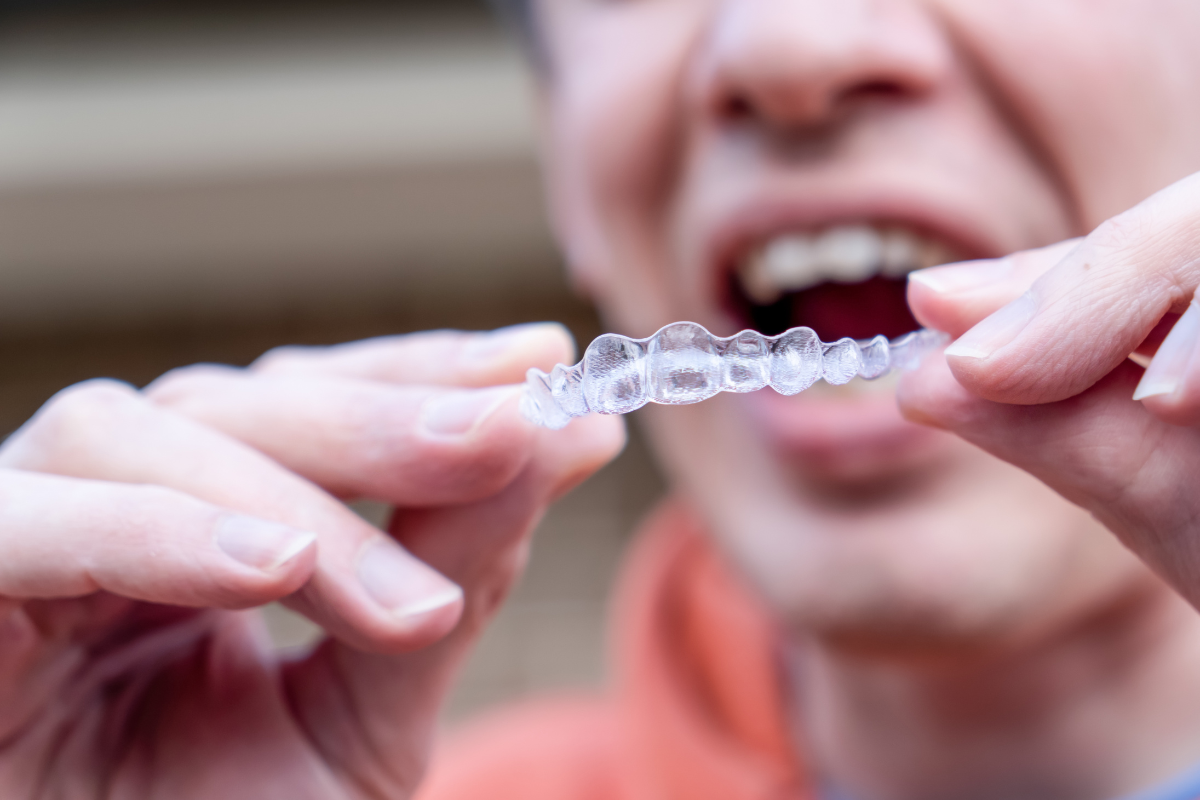
Invisalign has changed what orthodontic treatment can look and feel like. Instead of brackets and wires, the system uses a series of clear, removable aligners to gradually guide teeth toward their planned positions. For many adults and teens, that combination of discretion and removability makes clear aligners particularly appealing. However, there is an important question to answer before focusing on those advantages: Are you actually a good candidate for Invisalign?
The answer depends on much more than whether you want straighter teeth. Your bite, tooth position, oral health, age, treatment goals, and ability to wear the aligners consistently can all influence whether this treatment is appropriate.
At Central Park West Orthodontics, we evaluate each patient individually rather than assuming one orthodontic system is right for everyone. Our board-certified orthodontists, Dr. Mary Eve Maestre and Dr. John C. Dolan, assess the teeth, bite, and overall orthodontic needs before recommending an appropriate treatment approach. If you are still in doubt whether these aligners fit your needs best, visit our dental office today!
Who Needs Invisalign?
These clear aligners may be considered when teeth or bite relationships need orthodontic correction and clear aligners can produce the movements required for that particular patient.
At our practice, Invisalign is available for teens and adults. We may use it to address concerns such as crooked teeth, gaps, crowding, and certain bite problems. Teen aligners may also be appropriate for many patients with overbites, underbites, overcrowding, or spaces between their teeth.
However, having one of these concerns does not automatically mean this treatment is the right treatment. The severity and mechanics of the problem matter.
That is why an orthodontic examination is more useful than trying to determine candidacy from photographs or symptoms alone.
What Makes Someone a Good Candidate for Invisalign?
When we assess a patient for Invisalign in New York, we look at both clinical and practical factors. Clear aligners have to be capable of accomplishing the required tooth movements, but the patient must also be prepared to follow the treatment plan consistently.
Several factors can indicate that this orthodontic procedure may be worth considering.
You Have Crowded or Crooked Teeth
Crowding occurs when there is not enough room for teeth to sit properly within the dental arch. Teeth may overlap, rotate, or erupt outside their ideal positions.
Depending on the extent and nature of the crowding, Invisalign can gradually reposition teeth according to a digitally planned sequence.
Mild-looking crowding should not be self-diagnosed, however. Sometimes what appears to be a simple cosmetic issue is connected to the way the upper and lower teeth fit together.
You Have Gaps Between Your Teeth
Spaces between teeth are another reason patients may explore clear aligners.
This treatment can be planned to gradually bring selected teeth closer together when appropriate. Closing spaces is not simply about improving appearance. An orthodontist must evaluate where the spaces occur, why they developed, and how closing them could affect the overall bite.
For that reason, two people with apparently similar gaps may receive very different treatment recommendations.
You Have Certain Bite Problems
Orthodontic treatment is not limited to straightening individual teeth. How the upper and lower teeth come together also matters.
At Central Park West Orthodontics, Teen Invisalign may be considered for patients with concerns including underbites and overbites. Whether aligners are suitable depends on the specific nature and complexity of the bite.
A consultation with an orthodontist in NYC helps determine whether clear aligners can produce the required correction or another orthodontic approach would provide more appropriate control.
You Want a Less Noticeable Orthodontic Option
For many patients, appearance during treatment matters.
These clear aligners are clear and custom-made to fit over the teeth, making them far less noticeable than conventional metal brackets and wires. This can appeal to working professionals, college students, teens, and other New Yorkers who would prefer their orthodontic appliance to attract less attention.
It is important to have realistic expectations, though. “Virtually invisible” does not mean completely undetectable in every situation. Some patients may require tooth-colored attachments or other treatment features depending on their orthodontic plan.
The primary question should still be whether the system can appropriately correct your orthodontic problem.
You Want the Convenience of Removable Aligners
One of the defining features is removability.
Aligners are taken out for meals, which means patients do not have the same food restrictions commonly associated with fixed braces. They can also be removed for brushing and flossing, making it easier to maintain their normal oral hygiene routine.
That flexibility can work particularly well for busy Manhattan lifestyles.
However, removability is only an advantage when it is combined with responsibility. Frequently leaving aligners out can interfere with the treatment plan.
You Can Commit to Wearing Your Aligners Consistently
This is one of the most important candidacy factors patients sometimes overlook.
At Central Park West Orthodontics, patients are instructed to wear their Invisalign aligners approximately 20 to 22 hours per day. They should generally be removed only when eating, brushing, and flossing.
That makes clear aligners different from braces. Fixed braces continue working because they remain attached to the teeth. These aligners rely partly on patient cooperation.
Someone who knows they will frequently forget, lose, or choose not to wear their aligners may find it difficult to keep treatment progressing as planned.
For teens, the aligners can include compliance indicators that help monitor wear time.
When Might Someone Not Be a Good Candidate for the Treatment?
Modern clear aligner therapy can address a broad range of orthodontic concerns, so it is unwise to assume that a complicated-looking smile automatically rules the procedure out. Conversely, a minor-looking problem does not guarantee candidacy.
Here are some situations that require particularly careful evaluation.
Your Orthodontic Problem Requires a Different Treatment Approach
Some tooth and jaw relationships require movements that may be more appropriately managed using braces, additional orthodontic appliances, or, in certain complex cases, surgical orthodontics.
This decision is based on diagnosis rather than appearance alone.
At Central Park West Orthodontics, our available services include braces, Invisalign, retainers, and surgical orthodontics. This allows treatment recommendations to begin with the patient’s orthodontic needs rather than simply their preference for one appliance.
For patients researching orthodontics New York options, this distinction is important. The most discreet treatment is not automatically the most appropriate treatment for every bite.
You Are Unlikely to Wear Aligners as Directed
A patient can be clinically suitable for clear aligners but behaviorally unsuited to removable treatment.
If you frequently misplace items, dislike keeping routines, or know you will remove your aligners for extended periods, discuss that openly during your consultation.
There is no benefit in choosing a removable appliance if the necessary wear schedule is unrealistic for your lifestyle.
Your Oral Health Needs Attention First
Orthodontic treatment moves teeth within the supporting tissues of the mouth, so the condition of your teeth and gums matters.
If an examination identifies dental or periodontal concerns requiring attention, those issues may need to be addressed before orthodontic tooth movement begins. Your orthodontist can explain how your oral health affects the timing and feasibility of treatment.
Rather than viewing this as being permanently “disqualified”, it may simply mean orthodontic treatment should begin at a more appropriate time.
Are Teenagers Good Candidates for Invisalign?
Many are.
Clear aligners can be particularly attractive to teens because they do not involve visible metal brackets and wires and can be removed for eating and oral hygiene.
They can also fit around common teenage activities such as sports, social events, and playing musical instruments.
But maturity matters.
A teenager must be willing to wear the aligners consistently and follow the orthodontist’s instructions. The treatment includes compliance indicators to help track wear time and features designed to accommodate developing teeth.
Ultimately, Dr. Maestre or Dr. Dolan evaluates the teen’s orthodontic needs to determine candidacy.
What Happens During Evaluation?
You do not need to figure out candidacy yourself.
When you visit us for a consultation, we begin with an in-office assessment. We review relevant dental history, examine your orthodontic condition, and determine whether clear aligners are appropriate for your smile goals.
When you choose this orthodontic procedure, digital scanning technology captures detailed 3D images of your teeth. These records help us map planned tooth movements and develop a customized treatment plan.
We then manufacture a series of aligners based on that plan. Each aligner is slightly different so that teeth can move incrementally toward their intended positions.
Throughout treatment, periodic appointments allow us to monitor progress and provide subsequent aligner sets as appropriate.
Once active treatment is completed, retainers are used to help maintain the new tooth positions.
Why Orthodontist Supervision Matters With Clear Aligners
Clear aligners may look simple, but orthodontic treatment is not simply a matter of wearing transparent trays.
The aligners are the appliance. The diagnosis and treatment plan determine how that appliance is used.
This is why working with an orthodontist matters when considering Invisalign in New York. An orthodontist assesses how individual teeth need to move, how those movements affect your bite, and whether the planned result is realistic for your anatomy.
At Central Park West Orthodontics, both Dr. Maestre and Dr. Dolan are board-certified orthodontists. Our practice provides orthodontic care for children, teens, and adults from our Upper West Side office, including patients from Manhattan Valley, Morningside Heights, the Riverside Drive corridor, and surrounding communities.
For anyone searching for a reliable orthodontist in NYC, it’s important to look beyond just the aligner and consider the specialist who plans and oversees the treatment.
How Can You Tell if Invisalign Is Right for You?
Start with a simple self-check.
Do you have crooked, crowded, or spaced teeth? Are you concerned about your bite? Would you prefer a discreet treatment option? Can you realistically keep aligners in place for 20 to 22 hours every day? Are you prepared to attend progress visits and follow instructions throughout treatment?
If you answered yes to several of these questions, it may be worth discussing.
However, a checklist cannot determine how your teeth and jaws relate to one another. Only an orthodontic assessment can establish whether clear aligners are appropriate and what treatment would involve.
This is particularly important when comparing orthodontics New York providers because treatment recommendations should reflect your individual diagnosis rather than a one-size-fits-all aligner plan.
Find Out if Invisalign Is Right for Your Smile
At Central Park West Orthodontics, Dr. Mary Eve Maestre and Dr. John C. Dolan evaluate your orthodontic needs before recommending treatment. Whether Invisalign, braces, or another orthodontic approach is appropriate, the decision begins with understanding your teeth, bite, and treatment goals.
If you are considering Invisalign in New York, schedule a consultation at our Upper West Side office to find out whether clear aligners are the right option for your smile.
Frequently Asked Questions
- Can Invisalign fix an overbite or underbite?
Invisalign can address certain overbites and underbites, depending on their severity and cause. An orthodontist must evaluate tooth positions and jaw relationships to determine whether clear aligners can produce the movements needed for predictable correction.
- Are severely crooked teeth too complicated for Invisalign?
Not necessarily. Clear aligner technology can address many alignment concerns, but severe crowding may require additional planning or another orthodontic approach. An orthodontic examination is necessary to determine whether Invisalign can achieve the required tooth movements safely.
- Can I get Invisalign if I have crowns or dental work?
Existing dental restorations do not automatically rule out Invisalign. Their location, condition, and effect on planned tooth movement must be evaluated. Your orthodontist can determine how crowns or other restorations may influence your individual treatment plan.
- What age is appropriate for Invisalign?
Invisalign can be appropriate for adults and teens, while certain systems can also accommodate younger patients. Candidacy depends on dental development, orthodontic needs, and the patient’s ability to follow wear instructions rather than age alone.
- How many hours a day do I need to wear Invisalign?
Central Park West Orthodontics generally instructs patients to wear Invisalign aligners for approximately 20 to 22 hours daily. Aligners are typically removed for eating, brushing, and flossing, making consistent daily wear essential for treatment progress.
- Can Invisalign work if I previously had braces?
Yes, some patients who previously wore braces may use Invisalign to address later tooth movement or other alignment concerns. Your orthodontist must examine your current tooth positions, bite, and treatment history before recommending clear aligners.
- How do I know whether Invisalign or braces are better for me?
The choice depends on your bite, tooth positions, required movements, lifestyle, and ability to follow aligner instructions. An orthodontic evaluation provides the diagnostic information needed to determine which appliance better matches your individual treatment needs.