327 Central Park West (Suite 1A), New York, NY 10025


Straightening your teeth does far more than improve how your smile looks. Proper alignment can ease jaw strain, make chewing more comfortable, support clearer speech, and even reduce your long-term risk of gum problems and enamel wear. That’s the direct answer for anyone weighing whether orthodontic treatment is worth it beyond appearance alone. Most patients start out focused purely on straighter teeth, then end up noticing a handful of functional changes they never expected along the way.
What a Balanced Bite Actually Changes
A properly aligned bite distributes chewing forces evenly across all your teeth, rather than concentrating pressure on just a few. When alignment is off, certain teeth end up carrying more than their share of that load, which leads to uneven wear over time. At Central Park West Orthodontics, Dr. Maestre evaluates exactly this kind of bite mechanics for every patient, not just where teeth sit, but how they function together during chewing, speaking, and daily use. Correcting the imbalance also reduces strain on the jaw joints, which many patients notice as less tightness in the jaw muscles, especially if grinding or clenching happens during sleep.
How Alignment Protects Your Oral Health Long-Term
Crowded or overlapping teeth create tight spaces where plaque tends to settle in and stay put, no matter how carefully you brush. Those hard-to-reach areas raise the risk of gum inflammation and enamel breakdown over time. Once teeth are properly spaced and aligned, oral hygiene routines become noticeably easier to maintain, and cleaner teeth generally mean healthier gums and fresher breath as a result. Plenty of patients are surprised to learn that fixing alignment issues now can also lower the odds of needing more invasive restorative work later.
The Connection Between Alignment, Speech, and Digestion
Where your teeth sit affects more than chewing; it plays a role in tongue placement, which can subtly influence how clearly certain sounds come out when you speak. Chewing efficiency matters too, since food that’s broken down properly before it reaches your stomach tends to digest more smoothly overall. Jaw discomfort often ties back to the same root cause: when bite pressure isn’t distributed evenly, the surrounding muscles compensate in ways that lead to fatigue or soreness building up over time.
Why Confidence Is Part of the Equation Too
The emotional side of orthodontic treatment tends to get underestimated. A more balanced smile can genuinely shift how someone shows up in social and professional situations, speaking up in a meeting, smiling in photos, or just feeling more at ease in group conversations. This shift isn’t purely cosmetic; it’s psychological too. Patients who start treatment for functional reasons often end up naming the confidence boost as one of the parts they value most once treatment wraps up.
Which Treatment Option Actually Fits Your Case
Modern orthodontic care gives patients more than one path toward better alignment, and the right choice depends on the specific bite issue being addressed:
- Traditional braces remain highly effective for moderate to severe alignment issues, applying steady, continuous pressure to shift teeth into place.
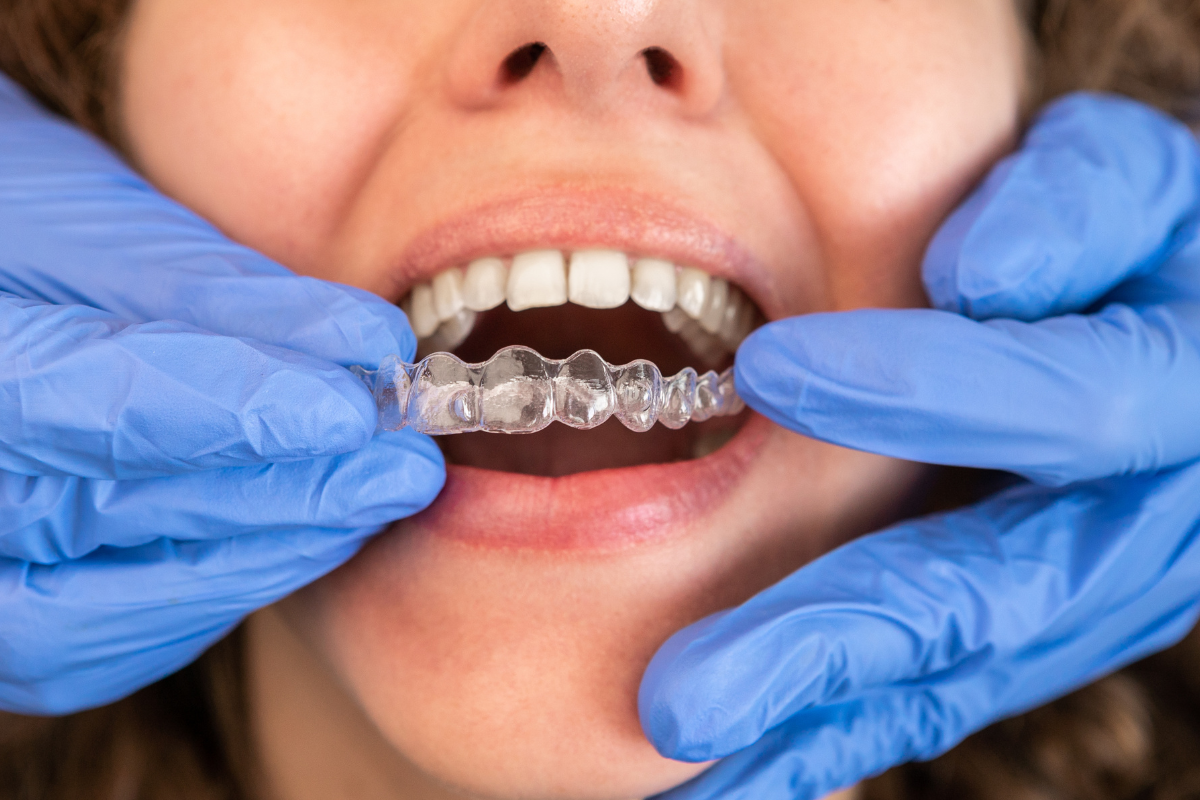
- Clear aligners like Invisalign offer a removable option for patients who want more flexibility around eating and cleaning day-to-day.
- Retainers step in after active treatment to hold the new alignment in place long-term.
The right fit depends on bite complexity and lifestyle, which is exactly what a proper evaluation is meant to determine.
What Happens During a First Consultation
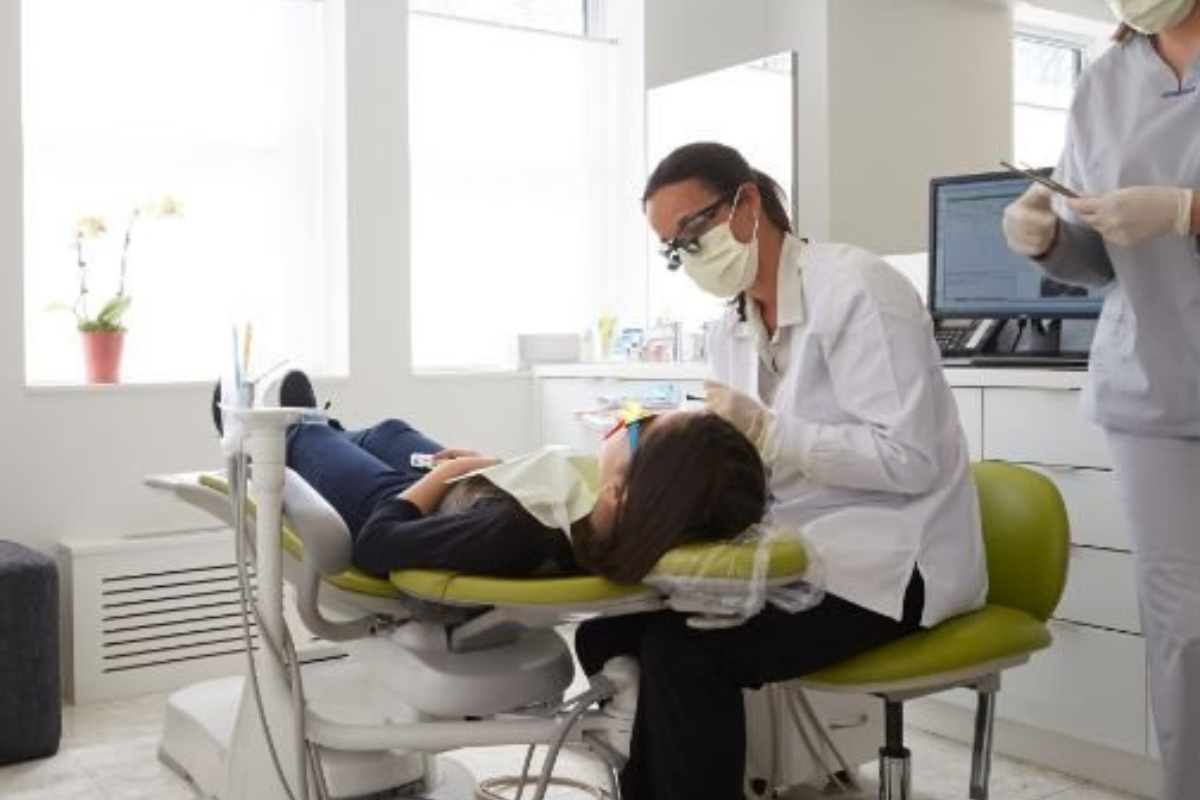
The first visit focuses on understanding your bite structure, alignment concerns, and overall oral health through digital imaging and a clinical evaluation. This is usually where patients start to see how small adjustments can lead to meaningful long-term benefits; the goal isn’t just straighter teeth, but genuinely better function and stability. A structured consultation process means you leave with a clear picture of your personalized plan rather than a vague sense of what comes next.
Frequently Asked Questions
- How does orthodontic care improve function beyond appearance?
Aligning teeth helps distribute bite forces evenly, which can ease jaw strain, improve chewing efficiency, and make oral hygiene simpler. Many patients also notice clearer speech along the way. - Is Invisalign as effective as braces for functional improvements?
For many mild to moderate cases, yes, Invisalign gradually shifts teeth while offering more flexibility for eating and cleaning, though the right choice depends on how complex your bite issue is. - Can orthodontic treatment help with jaw discomfort?
In many cases, yes. Misaligned teeth often contribute to uneven bite pressure and muscle strain, and correcting alignment can ease that tension over time. - How long does orthodontic treatment usually take?
Treatment length depends on your specific alignment needs and how consistently you follow instructions; some cases resolve in months, while more complex ones take longer. - Why does a professional consultation matter before starting treatment?
A proper consultation diagnoses the underlying bite issue accurately and helps determine which approach will deliver the most stable, long-term result for your specific case.
Choosing the right provider matters just as much as choosing the right treatment. If you’re searching for an experienced New York orthodontist, or comparing an orthodontist New York City patients consistently recommend, Central Park West Orthodontics offers the kind of NYC orthodontics built around both function and long-term stability, not just appearance. The practice serves the Upper West Side of Manhattan, Morningside Heights, and the area along Riverside Drive. Book an appointment with Central Park West Orthodontics today. Call 917-336-8548 to schedule your consultation and take the first step toward a healthier, more comfortable bite.