327 Central Park West (Suite 1A), New York, NY 10025


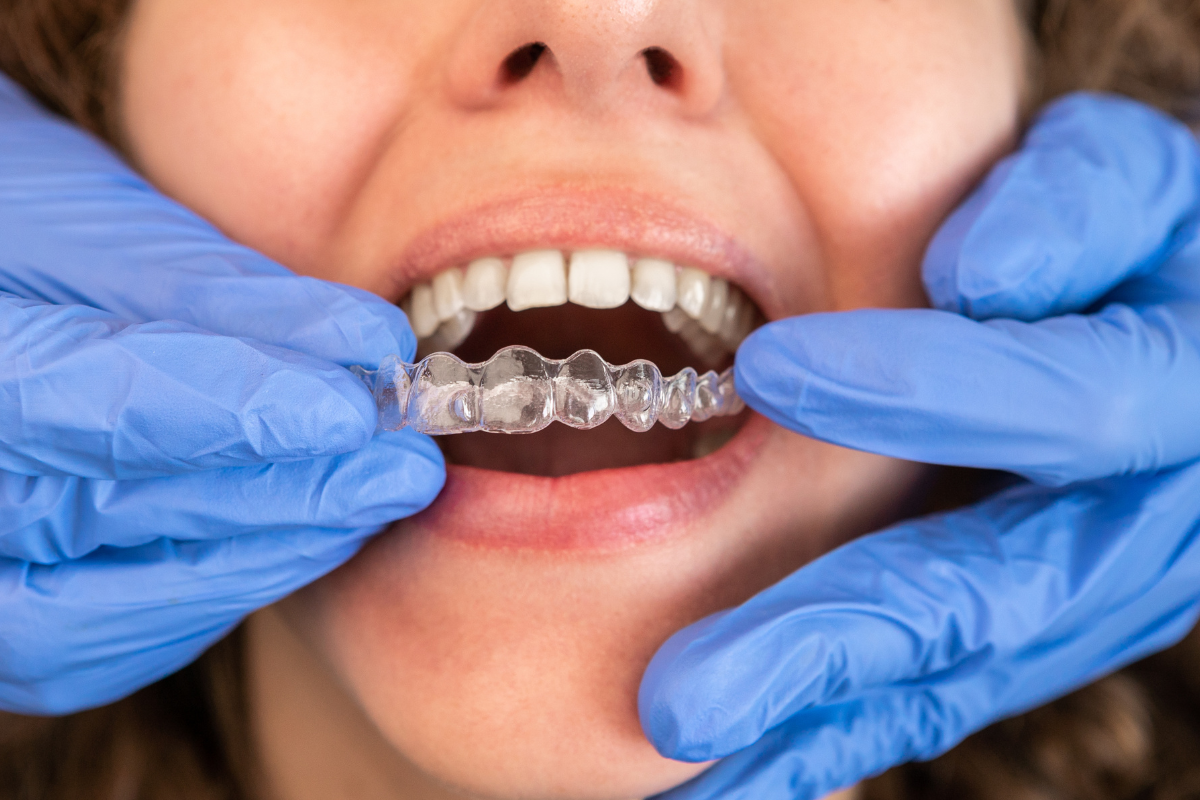
A deep bite can affect far more than the appearance of your smile. It can make chewing uncomfortable, place extra pressure on your teeth, and even lead to premature tooth wear over time. If you’ve been told you have a deep bite, you may be wondering whether clear aligners can fix the problem or if braces are your only option.
At Central Park West Orthodontics, many patients ask whether Invisalign Teen New York treatment or clear aligner therapy can correct bite issues in addition to straightening teeth. The answer often depends on what’s causing the deep bite and how severe it is. Fortunately, advances in orthodontic technology have made it possible for many teens and adults to improve both the appearance and function of their smiles with modern aligner treatment.
This guide explains what a deep bite is, why it matters, the challenges involved in correcting it, and the solutions orthodontists use to create healthier, longer-lasting results.
What Is a Deep Bite?
A deep bite, also known as an excessive overbite, occurs when the upper front teeth overlap the lower front teeth more than they should. A slight overlap is normal, but excessive overlap can interfere with how your teeth function together.
A deep bite can develop because of several reasons, including:
- Genetics
- Jaw development
- Teeth grinding
- Missing teeth
- Childhood habits, such as thumb sucking
- Natural tooth wear over time.
Some people notice obvious symptoms, while others discover the problem during a routine orthodontic exam.
Common signs include:
- Front teeth that appear unusually short from wear
- Difficulty biting into foods
- Chipped or cracked teeth
- Jaw soreness
- Frequent headaches related to bite strain
- Lower teeth touching the roof of the mouth.
Because these symptoms often develop gradually, many patients don’t realize a deep bite is affecting their oral health until the condition becomes more advanced.
Why Treating a Deep Bite Matters
A deep bite isn’t simply a cosmetic concern. The way your teeth fit together affects nearly every aspect of your oral health.
When your bite is uneven, certain teeth absorb more pressure every time you chew. Over months and years, this additional force can lead to problems that become increasingly difficult to manage.
Possible complications include:
- Excessive Tooth Wear
Constant pressure causes enamel to wear away faster than normal. Once enamel is lost, it does not grow back naturally.
- Chipped or Cracked Teeth
Teeth under repeated stress become more vulnerable to fractures, especially the front teeth.
- Gum Irritation
An excessive overlap may cause the lower teeth to contact the gums behind the upper front teeth, leading to soreness or tissue damage.
- Jaw Discomfort
An imbalanced bite can place additional strain on the jaw joints and surrounding muscles, contributing to discomfort while chewing or speaking.
Addressing these concerns early often helps preserve natural teeth and improve long-term oral function.
Can Clear Aligners Correct a Deep Bite?
Modern clear aligner treatment is designed to do much more than straighten crooked teeth. It can also improve the way the upper and lower teeth come together, creating a healthier bite.
Using advanced digital planning, orthodontists carefully map each stage of tooth movement before treatment begins. Every aligner makes small, controlled adjustments that gradually reposition the teeth while improving bite alignment.
For many patients, invisalign aligners in New York offer an effective option for correcting mild to moderate deep bites while maintaining a discreet appearance throughout treatment.
However, every case is unique. Factors such as jaw structure, existing tooth wear, and the severity of the bite all influence whether clear aligners are the right choice and what additional techniques may be recommended during treatment.
How Orthodontists Correct a Deep Bite
Treating a deep bite involves much more than making teeth look straight. The primary goal is to create a bite that functions comfortably and evenly every day.
Depending on your needs, treatment may include several tooth movements working together.
- Moving the Front Teeth
In some cases, the upper front teeth need to be moved slightly upward so they no longer cover the lower teeth excessively. This creates a more balanced overlap and reduces unnecessary pressure.
- Adjusting the Back Teeth
Sometimes the back teeth are gently repositioned to help open the bite. Even small movements can significantly improve how the upper and lower teeth come together.
- Aligning Crowded Teeth
Crowding often contributes to bite problems. As the teeth move into healthier positions, they fit together more naturally and become easier to clean.
- Improving Overall Bite Function
A successful result isn’t measured only by straighter teeth. Your orthodontist also evaluates how your teeth contact each other when you bite, chew, and speak. A balanced bite helps distribute pressure more evenly across your smile.
Challenges of Correcting a Deep Bite
Deep bites can range from mild to severe, which means every treatment plan is different. Some cases are straightforward, while others require additional planning and monitoring.
Severe Bite Relationships
If the upper teeth overlap the lower teeth too much, treatment may take longer. In some situations, additional orthodontic appliances or other procedures may be recommended to achieve the desired result.
Existing Tooth Wear
Adults with deep bites often have worn, chipped, or flattened teeth from years of uneven pressure. These changes may influence how the bite is corrected and whether restorative dental treatment is needed after orthodontic care.
Consistency Matters
Because clear aligners are removable, success depends on wearing them as directed. Skipping wear time or leaving them out for long periods can delay tooth movement and affect the final bite.
Every Smile Responds Differently
Teeth don’t always move exactly as predicted. Throughout treatment, your orthodontist carefully monitors your progress and makes adjustments as needed to keep everything moving in the right direction.
Solutions That Help Improve Treatment Success
Modern orthodontics includes several techniques that make deep bite correction more predictable than ever before.
- Precision Attachments
Small, tooth-colored attachments placed on certain teeth give the aligners extra grip, helping guide more complex movements.
- Bite Ramps
Some aligners include built-in bite ramps that temporarily separate the upper and lower teeth. This allows certain teeth to move more efficiently while reducing excessive overlap.
- Elastics
For some patients, small rubber bands are used alongside aligners to improve the relationship between the upper and lower jaws.
- Digital Treatment Planning
Three-dimensional digital scans allow orthodontists to visualize tooth movement before treatment begins. This detailed planning helps improve accuracy throughout every stage.
- Regular Progress Visits
Routine appointments allow your orthodontist to evaluate how your teeth are responding and make refinements if necessary.
Ready to Find Out if Clear Aligners Can Correct Your Bite?
A deep bite doesn’t automatically mean braces are your only option. Every smile deserves an individual evaluation to determine the most appropriate treatment approach.
If you’re considering invisalign in New York, scheduling a consultation is the first step. A comprehensive examination can determine the cause of your deep bite and help you understand which treatment option can improve both your smile and your bite.
Who Is a Candidate for This Treatment?
Many teenagers and adults with mild to moderate deep bites are candidates for clear aligner therapy.
You may be a suitable candidate if you have:
- Healthy teeth and gums
- Mild or moderate bite concerns
- Healthy jawbone support
- A commitment to wearing aligners consistently
- Realistic expectations about treatment
The only way to know for certain is through a comprehensive orthodontic evaluation that includes digital imaging and a complete bite assessment.
How Long Does Treatment Usually Take?
Treatment time depends on the complexity of your bite and how your teeth respond to movement.
Many patients complete treatment within 12 to 24 months, although some cases may finish sooner while others require additional refinement.
Several factors influence your timeline, including:
- The severity of your deep bite
- The amount of tooth movement needed
- Daily wear time
- Overall oral health
- Whether refinement aligners are needed
Following your orthodontist’s instructions and wearing your aligners consistently can help keep treatment progressing as planned.
Benefits Beyond a Straighter Smile
Correcting a deep bite offers advantages that go well beyond appearance.
Many patients notice improvements such as:
- More comfortable chewing
- Less pressure on the front teeth
- Reduced risk of future tooth wear
- Better protection against chipped teeth
- Improved oral hygiene
- More balanced jaw function
- Greater confidence when smiling
Many patients also appreciate that invisalign aligners in New York provide a discreet treatment option that fits comfortably into work, school, and social activities.
Take the First Step Toward a Healthier Bite
A deep bite can gradually affect your teeth, gums, and jaw without obvious warning signs. The earlier it is evaluated, the more treatment options may be available to improve your oral health and bite function.
Whether you’re concerned about discomfort, uneven tooth wear, or simply want to learn more about your options, the team at Central Park West Orthodontics is here to help. If you’re exploring invisalign in New York, schedule a consultation to receive a personalized evaluation and learn whether clear aligner treatment is the right solution for your smile.
Frequently Asked Questions
Can adults correct a deep bite with clear aligners?
Yes. Many adults achieve successful results, provided their bite concerns can be managed with aligner therapy and they follow the recommended wear schedule.
Will treatment hurt?
You may notice mild pressure for a day or two when switching to a new set of aligners. This is a normal sign that your teeth are moving.
Are severe deep bites always treated with clear aligners?
Not always. Some severe bite problems involving jaw position may require additional orthodontic treatment or, in certain cases, jaw surgery.
How many hours should aligners be worn each day?
Most patients should wear their aligners for 20 to 22 hours daily, removing them only for eating, drinking anything besides water, brushing, and flossing.
Will my bite stay corrected after treatment?
Yes, wearing your retainers as instructed is one of the most important steps in maintaining your new bite and preventing teeth from shifting.