327 Central Park West (Suite 1A), New York, NY 10025



This orthodontic appliance has transformed millions of smiles, offering kids and teens a chance to gain confidence while improving their oral health. As a parent, you should know when and why your child might need these teeth aligners and what to expect throughout the process. In this blog, you will get to know the essentials so you can make informed decisions about your child’s dental care.
Why Kids Might Need Braces?
Orthodontists recommend this procedure for several reasons, most of which go beyond cosmetic improvements. Some common concerns include:
- Crowded Teeth: When teeth overlap due to limited space.
- Overbite or Underbite: Misalignment between the upper and lower teeth.
- Crossbite: When teeth don’t align correctly when the mouth is closed.
- Gaps Between Teeth: Spaces can cause uneven wear and make cleaning harder.
- Jaw Alignment Issues: These oral appliances can guide jaw growth in younger patients.
Fixing these issues early often leads to better oral health and long-term comfort for your child.
What is the Best Age for Braces?
The American Association of Orthodontists recommends a first orthodontic checkup by age seven. While most children don’t need them at a younger age, early evaluations help orthodontic professionals spot potential issues before they worsen.
For many kids, the ideal age falls between 10 and 14. This is when most permanent teeth have come in and the jaw is still developing. Teenagers and adults alike can benefit from this treatment. Thus, it is never too late to consider the option.
Types of Braces Parents Should Know About
Modern orthodontics provides more than traditional options that many parents recall. Based on your child’s needs, the orthodontist may suggest:
- Metal: Strong, effective, and widely used for all types of cases.
- Ceramic: Less noticeable because they blend with the natural tooth color.
- Self-Ligating: Use advanced technology for fewer adjustments and faster results.
- Lingual: Placed on the inside of teeth, making them nearly invisible.
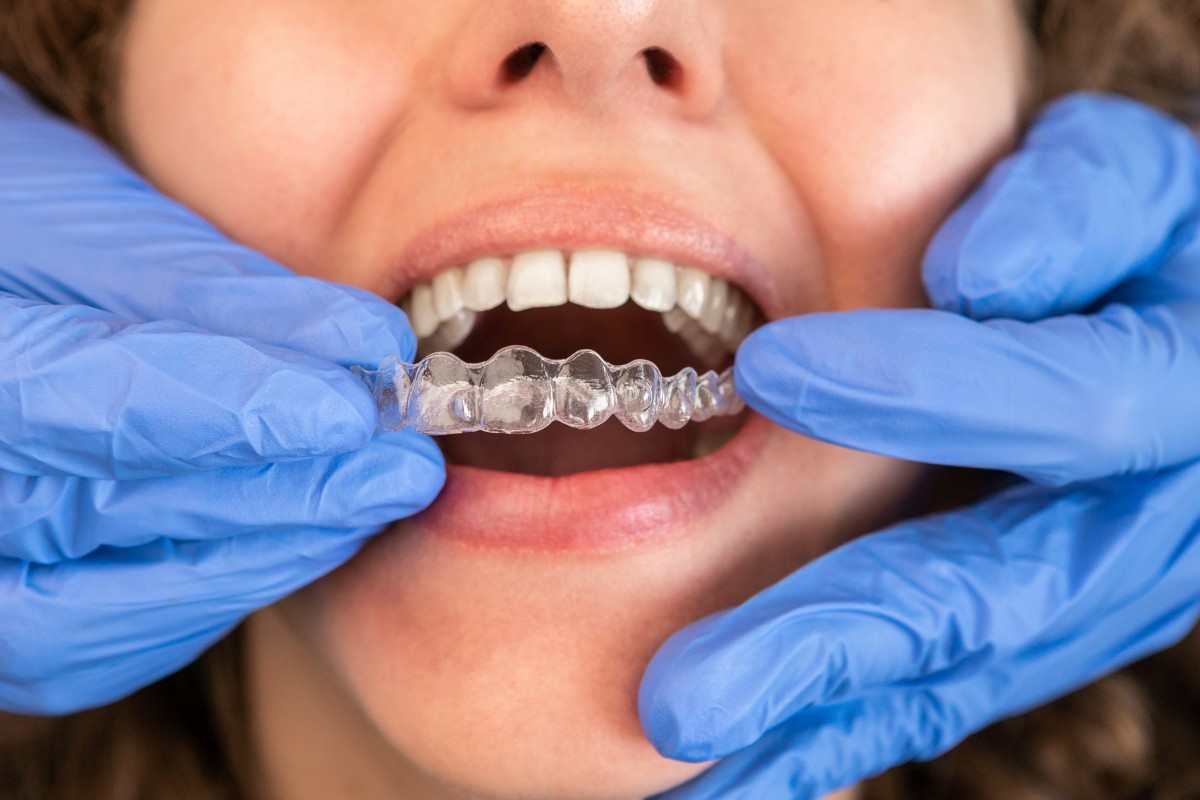
For some patients, clear aligners may also be an option, depending on the complexity of the case.
What to Expect During Treatment
Starting treatment with braces in New York typically begins with a thorough evaluation, including X-rays and digital scans. Once placed, regular checkups every 4 to 6 weeks ensure progress stays on track.
Parents can expect some mild discomfort when these teeth aligners are first applied or tightened. Over-the-counter pain relief and orthodontist-recommended wax for sore spots can help kids adjust quickly.
Most treatments last 18–24 months, though this can vary based on the case’s complexity and how closely your child follows care instructions.
Guide for Your Child to Care for Their Orthodontic Appliance
Good oral hygiene is essential during orthodontic treatment. Parents should encourage their children to:
- Brush after every meal to prevent plaque buildup.
- Use floss threaders or water flossers to clean between brackets.
- Avoid sticky and hard foods that can damage wires or brackets.
- Wear mouthguards during sports.
Following these steps ensures smooth treatment and the best possible results.
Life After Braces
When these aligners come off, most children will need a retainer to keep their teeth from shifting. Orthodontists usually advise wearing it as instructed, often full-time initially, then at night, to preserve the results.
Regular dental visits and a consistent oral care routine remain essential even after treatment ends.
Give Your Child the Gift of a Healthy Smile
Straightening your child’s teeth isn’t just about looks; it improves speech, chewing, and overall oral health. At Central Park West Orthodontics, our team is dedicated to helping families achieve healthy, confident smiles through personalized orthodontic care.
If you think your child needs orthodontic treatment, contact us today to schedule a consultation and take the first step toward a lifetime of healthy smiles.