327 Central Park West (Suite 1A), New York, NY 10025


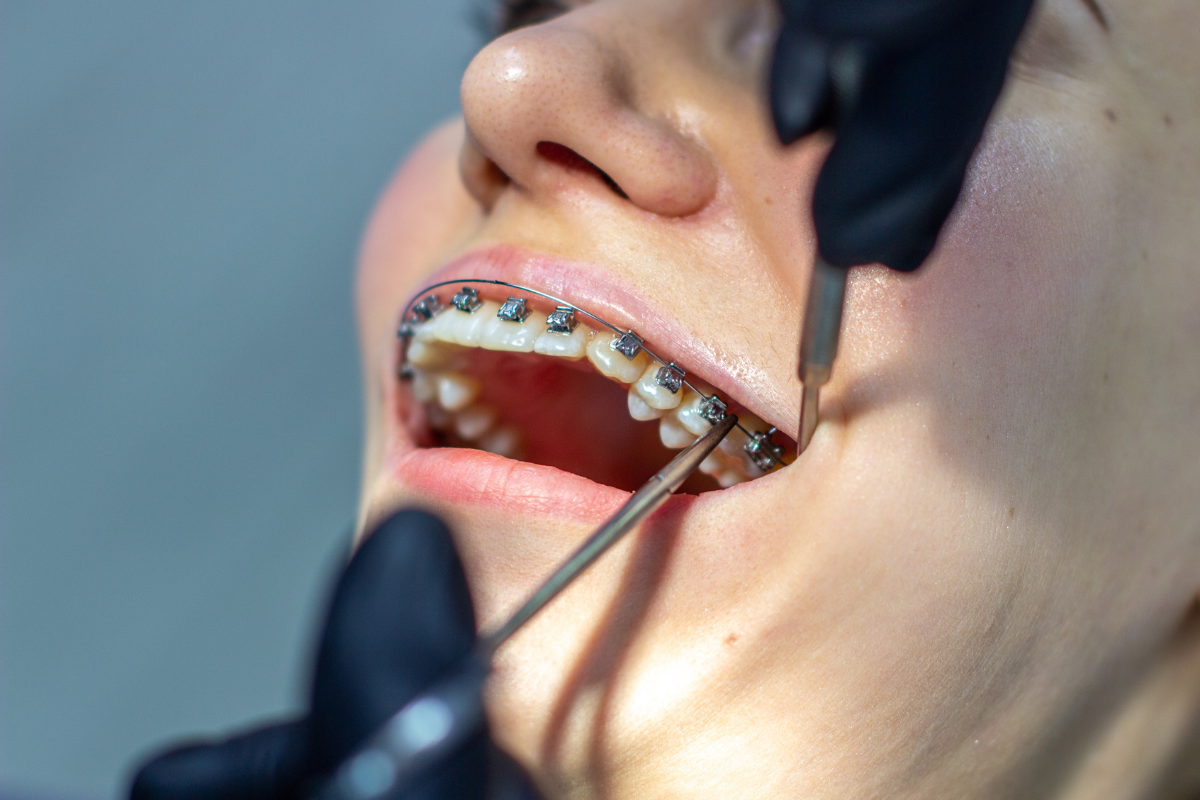
A gap between teeth is one of the most common reasons people seek orthodontic treatment. Some patients have had a space between their front teeth for as long as they can remember, while others notice gaps developing gradually over time. No matter when the spacing shows, a common question during consultations is whether braces can permanently close gaps in teeth.
In most cases, the answer is yes. However, successfully closing a gap involves more than simply moving teeth together. The cause of the spacing, the condition of the surrounding bone and gums, and the way the teeth fit together all influence treatment planning and long-term stability.
At Central Park West Orthodontics, Dr. Mary Eve Maestre and Dr. John C. Dolan frequently evaluate patients who want to close spaces between their teeth while improving overall oral health and bite function. Orthodontic treatment is designed to address the underlying cause of spacing rather than simply masking it.
According to the National Institute of Dental and Craniofacial Research (NIDCR), malocclusion remains one of the most common oral health concerns in the United States. Problems involving spacing, crowding, and bite alignment frequently require orthodontic treatment to improve both function and long-term dental health.
Can Braces Fix Gaps in Teeth?
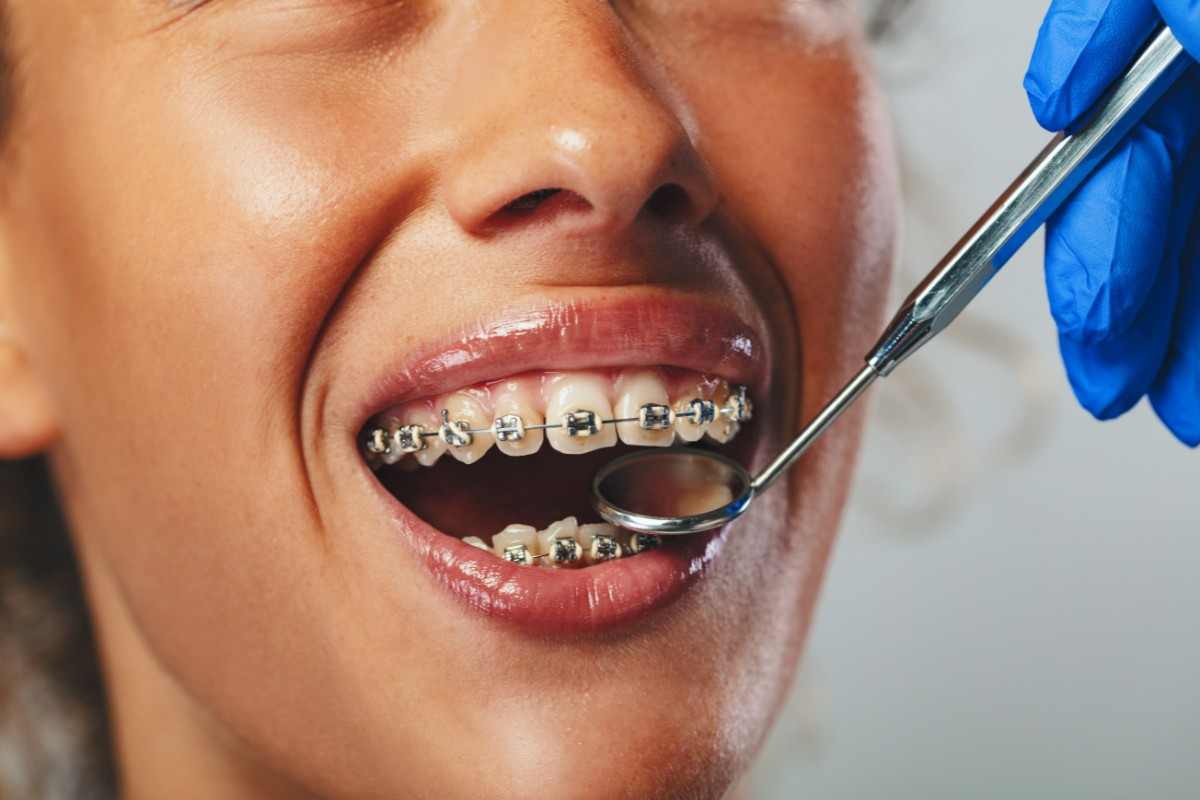
Yes. This is one of the most effective ways to close gaps between teeth because they move teeth and their supporting roots into healthier positions. Proper orthodontic treatment can improve appearance, bite function, and long-term stability.
Many people assume that a gap is purely cosmetic. In reality, spaces between teeth can sometimes contribute to food trapping, uneven tooth wear, speech concerns, and bite imbalances. Closing those spaces may provide benefits that extend well beyond aesthetics.
These aligners work by applying gentle, controlled pressure that gradually moves teeth through the jawbone. This process allows spaces to close while maintaining healthy support structures around the teeth.
Why Do Gaps Between Teeth Develop?
To effectively close a gap, it is important to understand why it developed in the first place. Different causes require different treatment considerations.
Several factors can contribute to the spacing between teeth.
Genetics
One of the most common causes of spacing is inherited jaw and tooth size differences. Some people naturally have larger jawbones or smaller teeth, leaving extra room that results in visible gaps.
Missing Teeth
When a tooth is lost or never develops, neighboring teeth may shift into the available space. This movement can create additional spacing and alter bite alignment.
Gum Disease
Advanced gum disease can weaken the bone and tissues that support teeth. As support decreases, teeth may begin to drift apart and create noticeable gaps.
Oral Habits
Thumb sucking, tongue thrusting, and certain childhood habits can place pressure on developing teeth and contribute to spacing problems that continue into adulthood.
Thick Frenum Attachment
A thick band of tissue connecting the upper lip to the gums may prevent the front teeth from naturally coming together. This is a common reason for a gap between the upper front teeth.
How does this Procedure Close Tooth Gaps?
These teeth straighteners move teeth gradually through a process known as bone remodeling. As pressure is applied, the surrounding bone adapts, allowing teeth to shift into new positions safely and predictably.
An important detail many patients do not realize is that orthodontic treatment focuses on more than the visible part of the tooth.
These aligners do not simply pull teeth together. They guide both the crowns and roots into proper alignment. Correct root positioning is essential because spaces that close without proper root alignment may be more likely to reopen after treatment.
The treatment process typically includes:
- Comprehensive orthodontic evaluation
- Digital imaging and diagnostic records
- Customized treatment planning
- Gradual space closure
- Retention to maintain results
Many patients seeking braces in New York discover that closing gaps also improves overall alignment and creates a more balanced bite.
How Bite Problems Can Create Gaps
Some gaps develop because of the way the upper and lower teeth fit together. In these situations, correcting the bite becomes just as important as closing the space itself.
When bite forces are uneven, teeth may gradually shift over time. Certain types of malocclusion place pressure on specific teeth, encouraging movement that creates spaces.
If the bite issue is not addressed, simply closing the gap may not provide a stable long-term result. This is one reason comprehensive orthodontic evaluations are so important.
Can Braces Fix Every Type of Gap?
This procedure can successfully close most spaces between teeth, but some situations require additional treatment to achieve the best outcome.
The underlying cause of the gap determines the most appropriate approach.
For example:
- Gaps caused by tooth movement often respond very well
- Missing teeth may require restorative planning in addition to orthodontics
- Gum disease-related spacing may require periodontal treatment before orthodontic movement begins
- A large frenum attachment may occasionally require a minor procedure to support long-term stability
An experienced orthodontist evaluates these factors before recommending treatment.
Can Adults Close Gaps With Braces?
Absolutely. Orthodontic treatment can successfully close gaps in both teenagers and adults. Healthy teeth and gums are generally more important than age when determining candidacy for treatment.
Many adults seek orthodontic care after noticing changes in their smile over time. Teeth naturally experience subtle movement throughout life, which can cause spaces to appear years after adolescence.
In a city where professional interactions, social events, and daily conversations happen everywhere from Broadway cafés to Lincoln Center performances, many adults become increasingly aware of how their smile affects their confidence. Orthodontic treatment often becomes part of a broader commitment to both oral health and self-image.
Can Gaps Reopen After Treatment?
Yes, gaps can return if proper retention is not followed. Retainers play a critical role in maintaining orthodontic results after being removed.
Research consistently shows that teeth continue to experience subtle movement throughout life. The tissues surrounding the teeth need time to stabilize after treatment.
Retention options may include:
- Removable retainers
- Bonded retainers
- Long-term monitoring appointments
A knowledgeable orthodontist in NYC develops a retention plan based on each patient’s unique treatment goals and risk factors.
Why Professional Diagnosis Matters
Every gap tells a different story. Some are caused by genetics, while others result from bite issues, missing teeth, oral habits, or changes in gum health.
At Central Park West Orthodontics, treatment recommendations are based on a detailed evaluation of tooth position, root alignment, jaw relationships, and long-term stability. This diagnostic approach helps determine whether braces alone can close a gap or whether additional factors should be addressed to create lasting results.
Because orthodontic treatment involves both aesthetics and function, an accurate diagnosis is the foundation of successful care.
Schedule a Personalized Orthodontic Evaluation
A gap between teeth is rarely just a cosmetic concern. The space may be influenced by genetics, bite relationships, tooth movement, missing teeth, or gum health. Understanding the underlying cause is the first step toward choosing the most effective treatment.
Conveniently located in Manhattan Valley on the Upper West Side, we are proud to serve families throughout Morningside Heights, the Riverside Drive corridor, and surrounding neighborhoods. If you are considering orthodontic treatment to close spaces between your teeth, book an appointment today for a personalized evaluation and treatment recommendation.
Frequently Asked Questions
Can braces completely close a gap between front teeth?
Yes. Braces are highly effective at closing front tooth gaps by gradually moving teeth into proper alignment. Long-term retention helps maintain those results after treatment.
How long does it take braces to close a gap?
Treatment time depends on the size of the gap and overall orthodontic needs. Smaller spaces may close faster, while more complex cases require additional treatment.
Can adults get braces to fix gaps in their teeth?
Yes. Adults regularly undergo orthodontic treatment to close gaps and improve bite function. Healthy gums and teeth are usually more important than age.
Do gaps come back after braces are removed?
They can if retainers are not worn as instructed. Retention is an important part of preserving orthodontic results for the long term.
Are braces better than veneers for fixing gaps?
Braces address the underlying tooth positions and bite relationship. Veneers primarily improve appearance and may not correct alignment concerns.
Can braces fix gaps caused by missing teeth?
In many cases, yes. Treatment planning depends on the location of the missing tooth and the patient’s overall restorative goals.
Should a small tooth gap always be treated?
Not necessarily. Some gaps are purely cosmetic, while others affect oral health, function, or bite stability. A professional evaluation helps determine whether treatment is beneficial.