327 Central Park West (Suite 1A), New York, NY 10025


A crooked smile can affect more than appearance. Crowded teeth can make brushing and flossing harder, while bite problems may affect chewing, speech, comfort, and long-term oral health. For many children, teens, and adults, orthodontic treatment can be the step that turns years of uncertainty into a healthier, more confident smile.
If you are researching braces New York families can consider, it helps to understand what braces actually do, who may benefit from them, what treatment involves, and how to choose an orthodontic approach that fits your needs.
Braces have come a long way. Modern orthodontic treatment offers more choices, more comfortable designs, and treatment plans tailored to the individual smile.
What Are Dental Braces and How Do They Work?
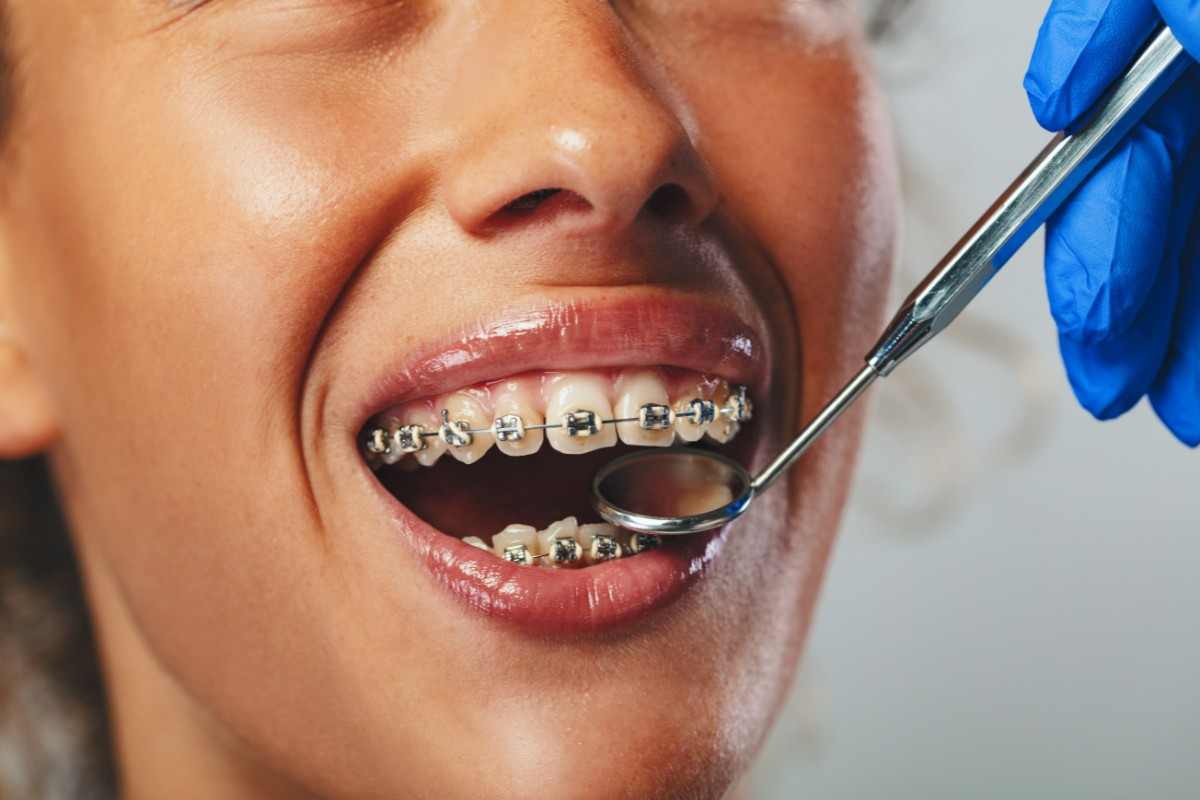
Dental braces are orthodontic appliances designed to gradually move teeth into better positions and improve the way the upper and lower teeth fit together.
Traditional braces generally use brackets attached to the teeth and an archwire that applies controlled pressure. Over time, this pressure guides teeth toward their planned positions.
Braces may be recommended for problems such as:
- Crowded teeth
- Gaps between teeth
- Overbites
- Underbites
- Crossbites
- Open bites
- Teeth that are rotated or out of alignment
- Certain problems involving dental arches and bite development
Treatment is not simply about making teeth look straighter. A properly planned orthodontic treatment can also improve the relationship between the teeth and bite, making daily oral hygiene and normal dental function easier to manage.
Why Do People Need Braces?
Not every crooked tooth requires orthodontic treatment. An orthodontist considers the entire bite, tooth position, jaw development, facial structure, oral health, and the patient’s individual goals.
For children, timing can be especially important because the jaws and permanent teeth are still developing. An early orthodontic evaluation may identify a developing bite or alignment concern before it becomes more difficult to manage.
For adults, orthodontic treatment can address problems that have existed for years or changes that have developed over time.
Common reasons people explore braces include:
Crowding
Crowding occurs when there is not enough space for teeth to fit properly. Teeth may overlap, rotate, or appear pushed forward or backward.
Crowded areas can also be harder to clean thoroughly, which may make daily oral hygiene more challenging.
Spacing
Gaps between teeth can occur for several reasons, including differences in tooth size, missing teeth, or the way teeth developed.
Orthodontic treatment can often bring teeth into better alignment and create a more balanced appearance.
Overbite
An overbite occurs when the upper front teeth extend too far over the lower front teeth. Depending on its severity, an overbite may affect tooth function and contribute to uneven wear.
Underbite
An underbite occurs when the lower teeth sit in front of the upper teeth when the mouth closes. Some cases are primarily related to tooth position, while others involve jaw development.
Crossbite
A crossbite occurs when some upper teeth bite inside the lower teeth rather than outside them. Depending on the cause and age of the patient, early evaluation can be useful for determining appropriate treatment.
Braces New York Patients May Choose: What Are the Options?
One of the biggest changes in modern orthodontics is the variety of treatment options available.
Traditional Metal Braces
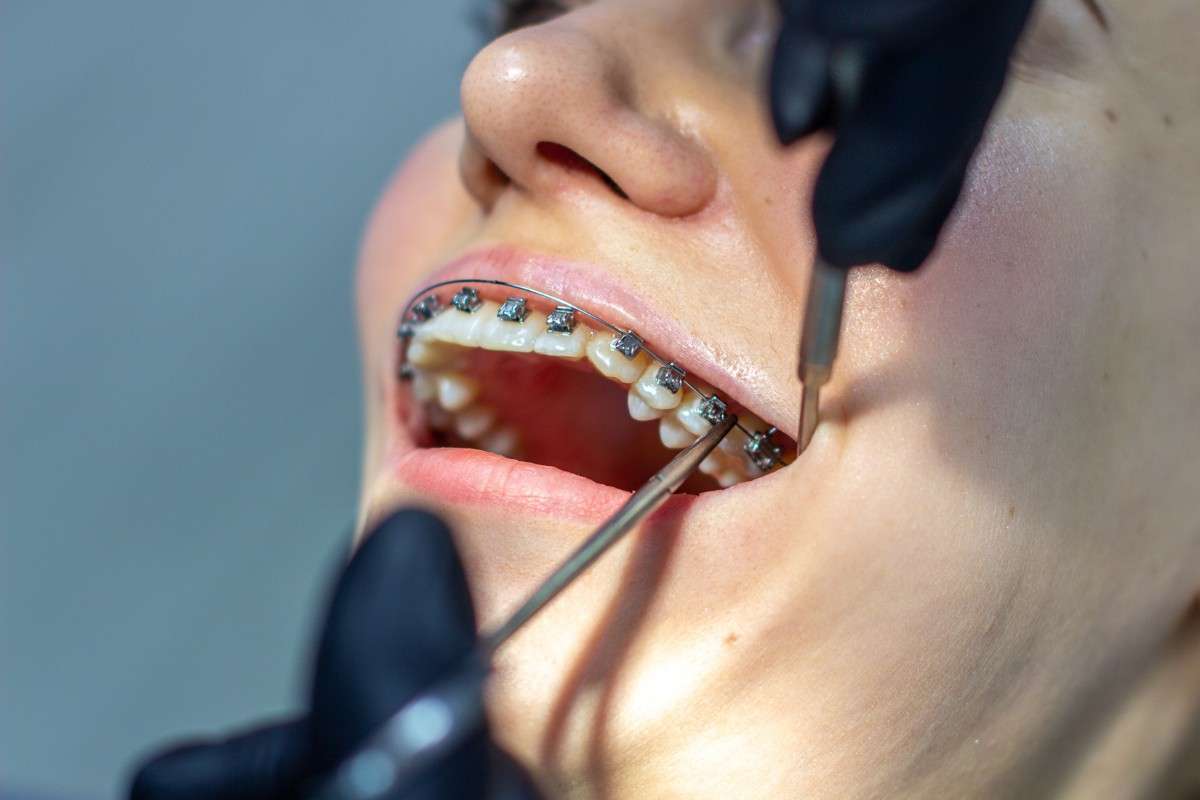
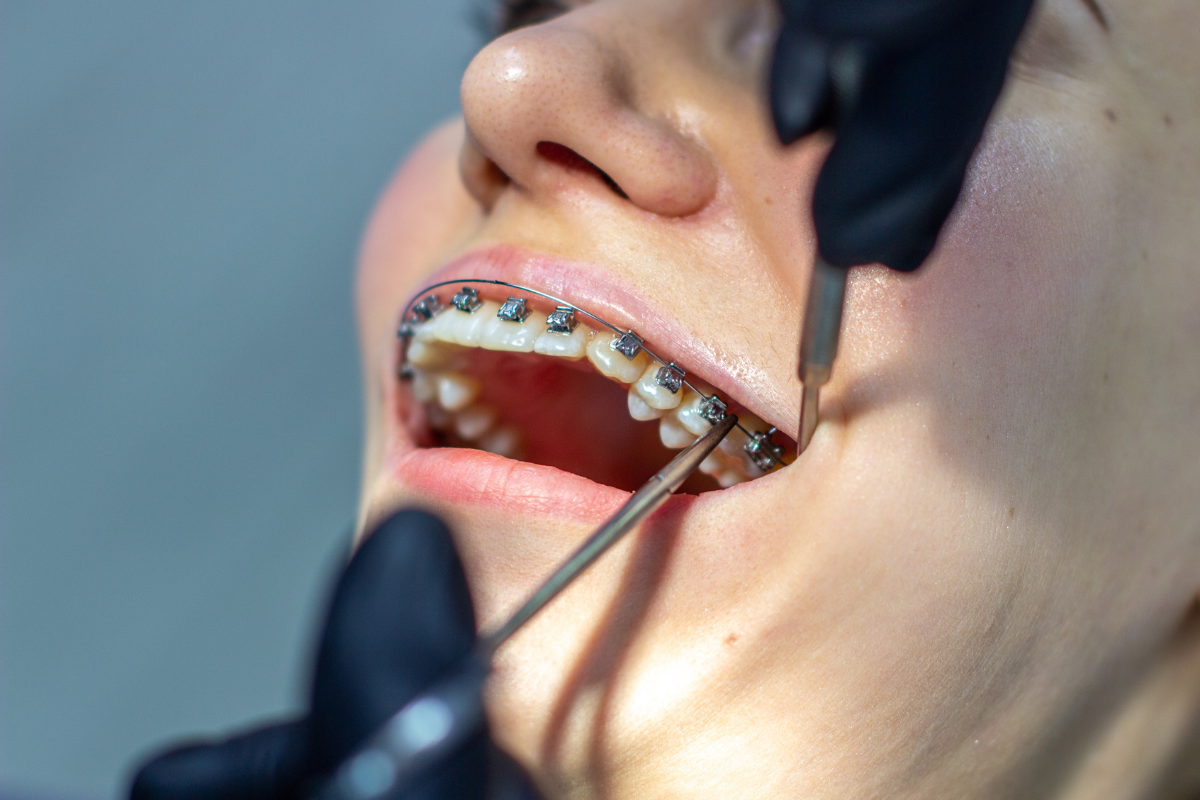
Metal braces remain a widely used orthodontic treatment. Modern brackets are smaller and more streamlined than older designs, while contemporary wires help guide teeth through planned movements.
Metal braces can be used for children, teens, and adults and can address many types of alignment and bite concerns.
Ceramic Braces
Ceramic braces work in a similar way to traditional braces but use brackets designed to blend more naturally with the teeth.
They may appeal to teens and adults who want a less noticeable fixed appliance while still benefiting from the mechanics of braces.
Clear Aligners
Clear aligners are removable trays designed to gradually move teeth. They can be appealing to patients who prefer a more discreet option.
However, clear aligners are not automatically appropriate for every orthodontic problem. An orthodontic evaluation is necessary to determine which treatment approach can address the individual’s needs.
How Long Do Braces Take?
There is no single treatment timeline that applies to every patient.
The length of treatment depends on factors such as:
- The complexity of the alignment problem
- The patient’s age and development
- The type of orthodontic appliance
- How much tooth movement is required
- Patient cooperation and oral hygiene
- Whether elastics or other appliances are needed
- How consistently appointments are attended
Some patients may complete treatment in about a year, while others may need longer. The practice’s current patient information notes that treatment length varies according to individual needs, with some children’s treatment taking approximately a year and others requiring more or less time.
Regular appointments allow the orthodontic team to monitor tooth movement and make adjustments when needed.
What Should You Expect When Getting Braces?
The process generally begins with an orthodontic consultation rather than immediately placing braces.
During the first visit, the orthodontist evaluates the teeth and bite and may use diagnostic records such as photographs, dental models or digital scans, and appropriate X-rays.
The goal is to understand the patient’s orthodontic needs before recommending treatment.
If braces are appropriate, the treatment team will explain:
- Which teeth or bite concerns need correction
- Which appliance may be appropriate
- The expected treatment process
- How often appointments may be needed
- What foods and habits to avoid
- How to clean around brackets and wires
- What happens after active treatment
At Central Park West Orthodontics, the initial consultation is designed to help patients and parents understand their treatment needs and available options before moving forward. The practice also uses digital technology, including an iTero intraoral scanner, as part of its orthodontic workflow.
Does Getting Braces Hurt?
It is normal to experience some tenderness when braces are first placed or after an adjustment.
Teeth are being gently moved, so patients may notice pressure or soreness for a few days. The cheeks and lips may also need some time to adjust to the brackets.
Most patients become more comfortable as they get used to the appliance.
If discomfort is severe, persistent, or caused by a broken bracket or wire, contact the orthodontic office rather than trying to ignore the problem.
What Can You Eat With Braces?
Food choices matter because hard, sticky, and chewy foods can damage brackets or wires.
During treatment, it is generally best to limit or avoid foods such as:
- Chewy caramel
- Sticky candy
- Hard nuts
- Popcorn kernels
- Ice
- Very hard foods
- Foods that require excessive biting force
Instead, choose foods that are easier to chew and cut harder foods into smaller pieces when appropriate.
Good oral hygiene is equally important. Brush carefully around brackets and wires, floss regularly, and follow the cleaning instructions provided by your orthodontic team.
What Happens After Braces Come Off?
Finishing active treatment is an exciting milestone, but orthodontic care does not necessarily end when the braces are removed.
Teeth can naturally shift after orthodontic treatment. Retainers help maintain their new positions.
Depending on the treatment plan, a patient may receive a removable retainer, fixed retainer, or another retention approach.
Wearing retainers as instructed is an important part of protecting the results achieved during orthodontic treatment.
How an Orthodontist Helps Create a Personalized Treatment Plan
Orthodontic treatment should never be based solely on how one tooth looks in a photograph.
A comprehensive evaluation considers the relationship between the teeth, bite, jaws, facial development, and overall oral health. This is particularly important for growing children, whose teeth and jaws are still changing.
For patients searching for an orthodontist in NYC, families can turn to Central Park West Orthodontics, which provides orthodontic treatment for children, teens, and adults, with options that include braces and clear aligners.
The practice’s orthodontists, Dr. Mary Eve Maestre and Dr. John C. Dolan, are both board-certified orthodontists, and the practice provides personalized treatment planning based on each patient’s needs.
When Is the Right Time to Schedule an Orthodontic Consultation?
There is no need to wait until teeth become severely crooked before asking about orthodontic treatment.
The American Association of Orthodontists recommends that children have their first orthodontic check-up by age 7. At this stage, an orthodontist can evaluate developing teeth and jaws and determine whether monitoring or early intervention may be appropriate.
For teens and adults, an evaluation can be scheduled whenever concerns about crowding, spacing, bite, or smile alignment arise.
In New York, families can also benefit from having an orthodontic office that treats different age groups, making it easier to maintain continuity of care as children grow into their teen years and beyond.
Ready to Take the Next Step Toward a Healthier Smile?
Choosing braces is a personal decision, and the right treatment depends on the individual—not simply on what worked for a friend, sibling, or someone online.
A consultation can answer the questions that matter most: Does treatment make sense now? Which type of appliance is appropriate? How long might treatment take? What will daily care look like?
At Central Park West Orthodontics, patients and parents can discuss these questions with an orthodontic team and receive a treatment plan based on their specific smile and bite.
If you are considering braces in New York for children, teens, or adults, schedule a consultation today to find out whether orthodontic treatment is right for you or your child. Starting with an evaluation gives you a clearer understanding of your options and helps you move forward with confidence.
Frequently Asked Questions About Dental Braces
At what age should a child get braces?
There is no universal age for starting braces. An orthodontist evaluates tooth development, jaw growth, bite, and the severity of the orthodontic concern. Children should generally have an initial orthodontic evaluation around age 7 so potential problems can be identified early.
How long do braces usually stay on?
Treatment length varies from patient to patient. Some cases may take around a year, while more complex cases may require longer treatment. Your orthodontist can provide a more specific estimate after evaluating your teeth and bite.
Are braces painful?
Braces can cause temporary soreness or pressure, especially after placement or adjustments. Most discomfort is mild and improves as the mouth adapts. Persistent or severe discomfort should be discussed with your orthodontic team.
What foods should I avoid with braces?
Avoid hard, sticky, and chewy foods that can damage brackets or wires. Examples include hard candy, caramel, chewing gum, ice, popcorn kernels, and very hard foods. Your orthodontist can provide a complete food guide.
Are ceramic braces as effective as metal braces?
Ceramic braces use similar orthodontic principles to traditional metal braces and can effectively treat many alignment concerns. However, the appropriate appliance depends on the individual treatment plan.
Can adults get braces?
Yes. Orthodontic treatment is not limited to children and teenagers. Adults can receive braces or other orthodontic treatment to address crowding, spacing, bite problems, and other alignment concerns.
Do I need to wear a retainer after braces?
Retainers are generally an important part of maintaining orthodontic results. Teeth can shift after active treatment, so wearing a retainer according to your orthodontist’s instructions helps maintain alignment.
What happens during an orthodontic consultation?
The orthodontist evaluates your teeth and bite and may use photographs, digital scans, dental models, and X-rays when appropriate. The team then discusses whether treatment is recommended, which options may be suitable, and what the expected treatment process may involve.
Medical Disclaimer: This article provides general educational information and is not a substitute for an individual orthodontic examination or professional medical or dental advice. Treatment recommendations, timelines, and appliance choices vary by patient and should be determined by a qualified orthodontic professional.