327 Central Park West (Suite 1A), New York, NY 10025


Summary: Wearing braces or clear aligners is only half the journey. The other half is how well you protect your teeth along the way. From the right cleaning tools and food choices to more frequent dental visits and smart habits built around the New York lifestyle, every small decision adds up. This blog walks you through exactly what to do so your smile finishes treatment looking straight, healthy, and completely worth the wait.
What if you spent months in braces, only to find out your teeth are weaker than when you started? This is simply the reality of how these issues progress. In fact, many face this when they skip the basics of dental hygiene during their smile correction journey. Whether you are rushing through the Upper West Side between meetings or heading to a Broadway show after school, life in this city rarely slows down. And in that rush, your teeth pay the price. The truth is, wearing braces or Invisalign is only half the story. The other half is what you do at home, every single day, to protect the investment you are making in your smile. If you are not doing it right, you may finish treatment with straight teeth but also with staining, white spots, or even early signs of decay. Read on, because this information could be the difference between a smile you love and one you regret.
A Professional Who Focuses On Function, Not Just Appearance

Behind every confident smile is a thoughtful approach to its creation. At Central Park West Orthodontics, Dr. Mary Eve Maestre focuses on how teeth move, how the bite functions, and how results hold up over time. Every plan is built with precision, not guesswork, so patients feel confident at every stage of care. If you have been thinking about improving your smile, now is the right time to schedule a visit and explore what is possible with the right guidance.
Is Your Cleaning Routine Actually Working With Braces?
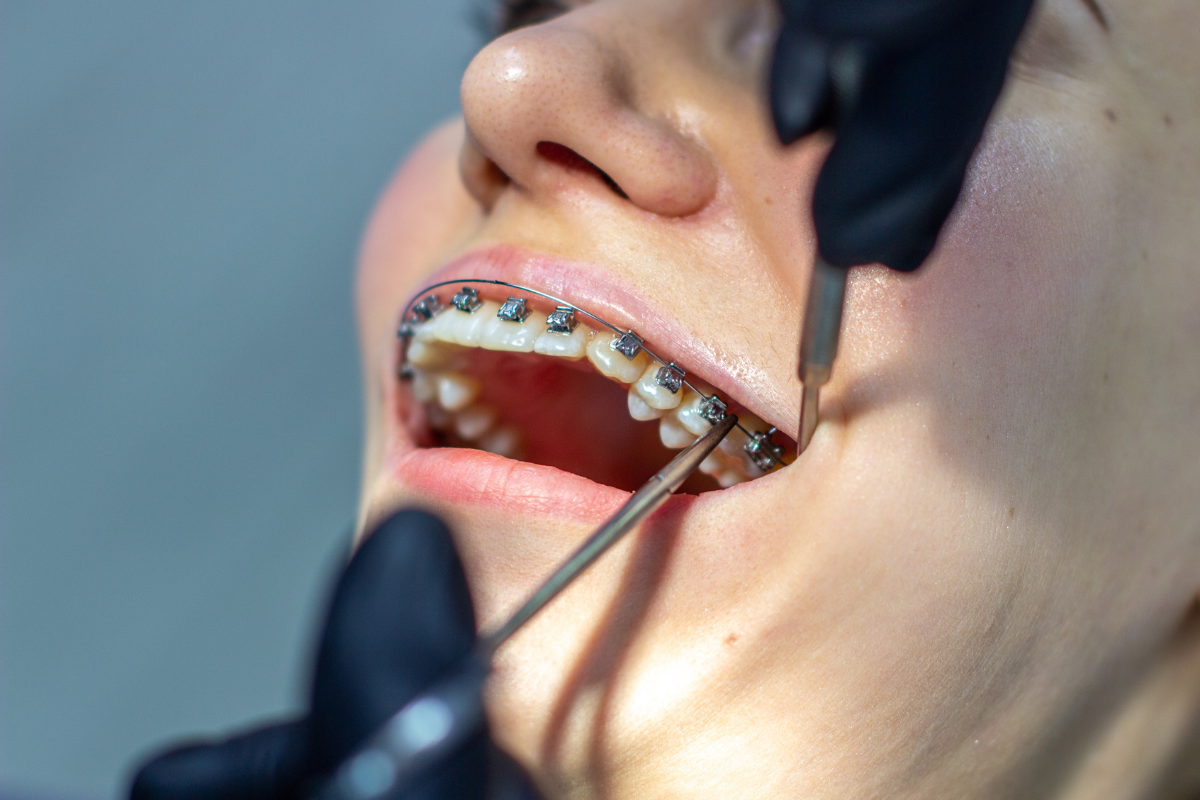
Most people brush their teeth. But fewer people brush their teeth correctly when they have braces. If you consult with an orthodontist in New York City, they will tell you that the biggest risk during treatment is not broken brackets or snapped wires. It is plaque buildup. When brackets and wires sit against your teeth all day, food particles and bacteria accumulate in spots your regular toothbrush simply cannot reach. A standard flat toothbrush is not enough.
Here is what actually works:
- Use an interdental brush. These small bottle-shaped tools slide under your wire and between your brackets. They clean the areas your regular brush misses entirely.
- Try a water flosser. A water flosser uses a pressurized stream to flush out debris from between teeth and under wires. Many New Yorkers find that, during their orthodontic treatment, using dental floss is faster and more effective than traditional string floss.
- Brush at a 45-degree angle. Angle your toothbrush toward your gumline when cleaning the tops of your brackets, then flip the angle to clean below them. This two-angle method ensures you are reaching around the bracket, not just skimming over it.
- Rinse with a fluoride mouthwash. Fluoride helps rebuild enamel that is constantly exposed to food acids throughout the day. A nightly fluoride rinse adds an extra layer of protection.
What Are You Eating That Could Quietly Undo Your Progress?
In a fast-paced city, daily habits often take priority over routine care. It is not just specific foods, but patterns like frequent snacking, sugary or acidic drinks, and sticky textures that can affect your results. But some of those favorites can quietly work against your treatment. Here is what an orthodontist in NYC suggests to watch out for:
Foods to avoid or modify:
- Hard pretzels and crusty bread, as these can snap wires and chip brackets.
- Chewy caramels and taffy pull at the brackets, making them difficult to clean.
- Whole apples and raw carrots, because biting into these, you risk dislodging a bracket.
- Popcorn, with unpopped kernels are one of the most common causes of broken appliances.
- Thick bagel crusts, cut them into small pieces instead of biting directly.
The goal is not to give up what you love. It is about small adjustments. Slice your apple. Cut your bagel. Choose soft pizza toppings over hard or chewy ones. These are easy swaps that protect your appliances and keep your treatment on schedule.
Watch your drinks too. Sugary drinks sipped slowly through the day sit against your brackets and fuel the bacteria that cause white spot marks. These spots can appear on your teeth after braces are removed and are extremely difficult to reverse. Water is always the better choice.
Are You Remembering The Follow- Up Appointments?
Patients should see an orthodontist in New York City every four months rather than the standard six-month schedule while treatment is ongoing. This matters because plaque is harder to remove at home when brackets and wires are in the way. Professionals can clean all areas you may be missing and catch early signs of cavities before they progress.
These more frequent visits are not just routine checkups. They are part of a complete care strategy. It helps ensure your teeth arrive at the end of treatment in strong, healthy condition, not just straight.
As one satisfied patient shared-
Really great orthodontist! I wasn’t sure whether I needed orthodontic work and they said I didn’t need it. To me a dentist that doesn’t recommend gratuitous treatment is the earmark of a great one. If I need it in the future, I’ll definitely go here. – Cristina
We are proud of the smiles we care for every day. You can read real patient experiences anytime on our Google reviews.
How Does New York’s Pace Affect Your Oral Health Routine?
People here are always moving. Winter commutes, packed subways, long work hours, and weekend plans leave very little room for slowing down. During colder months, when the city settles into its indoor rhythm and warm drinks become constant companions, the risk of tooth staining and enamel erosion increases. Hot coffee and tea consumed frequently throughout the day can weaken enamel over time, especially when proper rinsing is not performed afterward.
If you wear aligners rather than fixed braces, always remove them before eating or drinking anything other than plain water. Trapping warmth and liquid against your teeth under the aligner creates an environment where bacteria thrive. Keep a travel-sized toothbrush in your bag. New Yorkers are resourceful by nature. Apply that same energy to your oral hygiene routine.
What Happens If You Let These Habits Slide?
Skipping proper care does not just cause discomfort to your orthodontic treatment. It leads to outcomes that outlast your treatment. Here is what consistently poor hygiene during braces or Invisalign can result in:
- White spot lesions that appear on teeth after braces are removed are caused by enamel demineralization.
- New cavities that were not present before treatment began.
- Gum inflammation can delay your treatment timeline.
- Staining around brackets that becomes visible only after removal.
Treatment usually takes one to two years, depending on complexity. That is a long window where daily habits either protect your investment or quietly undermine it. The difference between a great outcome and a disappointing one almost always comes down to consistency.
The Step That Turns Progress Into Real Results
Creating a healthy routine during orthodontic treatment is one of the most important steps toward achieving long-lasting results. Consistent brushing, flossing, healthy eating habits, and regular orthodontic visits can help protect your teeth and gums while keeping your treatment on track. Small daily habits can make a big difference in maintaining a confident, healthy smile throughout the process.
At Central Park West Orthodontics, patients across Morningside Heights and Riverside Drive trust our experienced orthodontic team for personalized care and guidance during every stage of treatment. We are committed to helping you maintain excellent oral health while working toward a straighter, more confident smile.
Ready to keep your orthodontic treatment on the right path? Book an appointment with our team today and take the next step toward a healthier, more beautiful smile.
Frequently Asked Questions (FAQs)
Q1. How do you properly clean teeth while wearing braces?
Braces create areas where food and plaque can easily accumulate around brackets and wires. Thorough cleaning requires brushing after meals and flossing daily to prevent buildup and enamel changes.
Q2. Why is oral hygiene more important during orthodontic treatment?
Braces introduce additional surfaces that trap food particles and bacteria more easily. Without proper cleaning, this can lead to staining, enamel changes, and an increased risk of cavities.
Q3. What foods should be avoided while wearing braces?
Hard and sticky foods can damage brackets or dislodge wires, affecting treatment progress. Certain foods also increase the risk of buildup because they are harder to clean around teeth-straightening appliances.
Q4. How often should teeth be brushed during dental alignment treatment?
Brushing after every meal helps remove trapped food particles that accumulate around braces. Frequent cleaning reduces plaque buildup and supports healthier enamel and gum tissue throughout treatment.
Q5. Can poor oral care affect orthodontic treatment results?
Yes, inadequate hygiene can lead to permanent white spots or decay on tooth surfaces. These changes can affect both appearance and overall oral health, even after alignment is complete.