327 Central Park West (Suite 1A), New York, NY 10025



Getting braces for the first time typically means one appointment for a full evaluation, digital scans, and a personalized treatment plan, followed by a short adjustment period as your teeth begin to shift. That’s the short version of what to expect. Whether you’re a parent booking this for your child or an adult finally starting orthodontic treatment yourself, knowing what actually happens before, during, and after that first visit makes the whole process feel far less intimidating, especially if you’re comparing options for braces New York has to offer.
Why Braces Get Recommended in the First Place
Braces address more than crooked teeth on the surface. They’re used to correct crowding, gaps, overbites and underbites, crossbites, rotated teeth, and jaw alignment issues problems that affect both how a smile looks and how easy it is to keep clean long-term. Fixing these issues early tends to reduce uneven wear and makes daily brushing and flossing noticeably more effective, since there are fewer tight spots for plaque to hide.
What Actually Happens at Your First Appointment
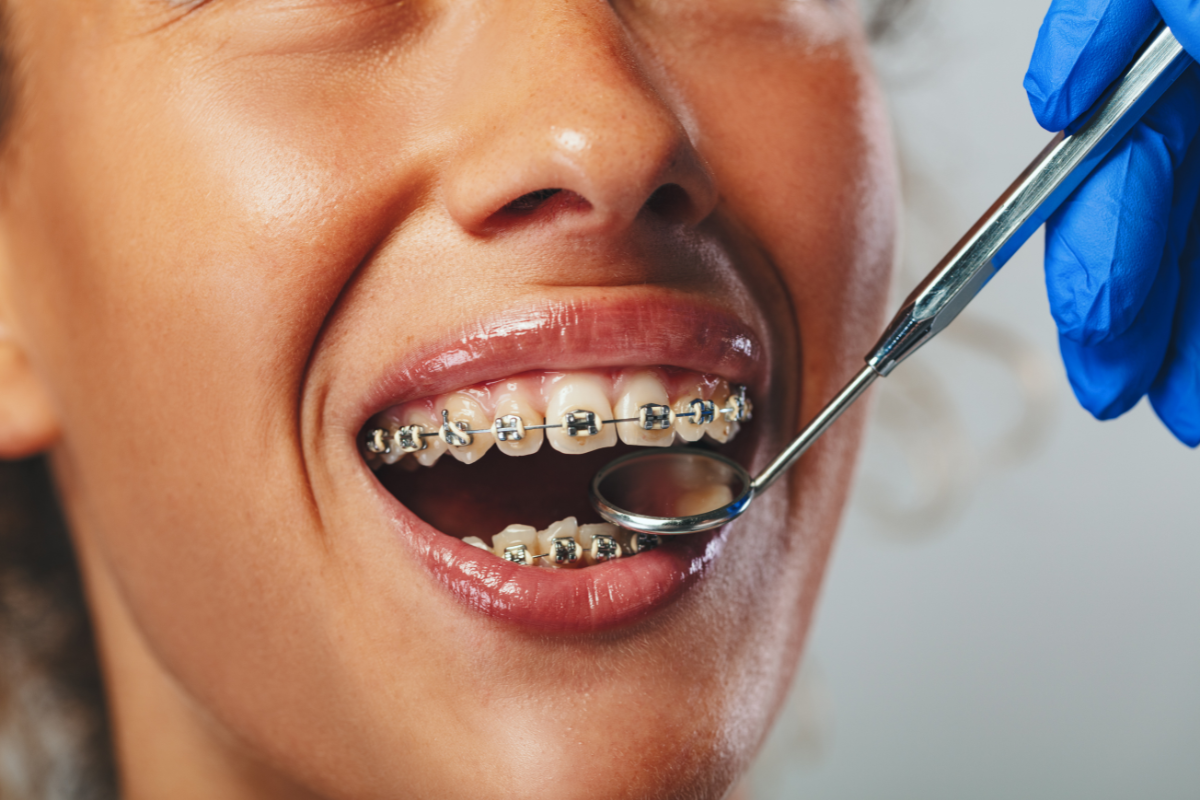
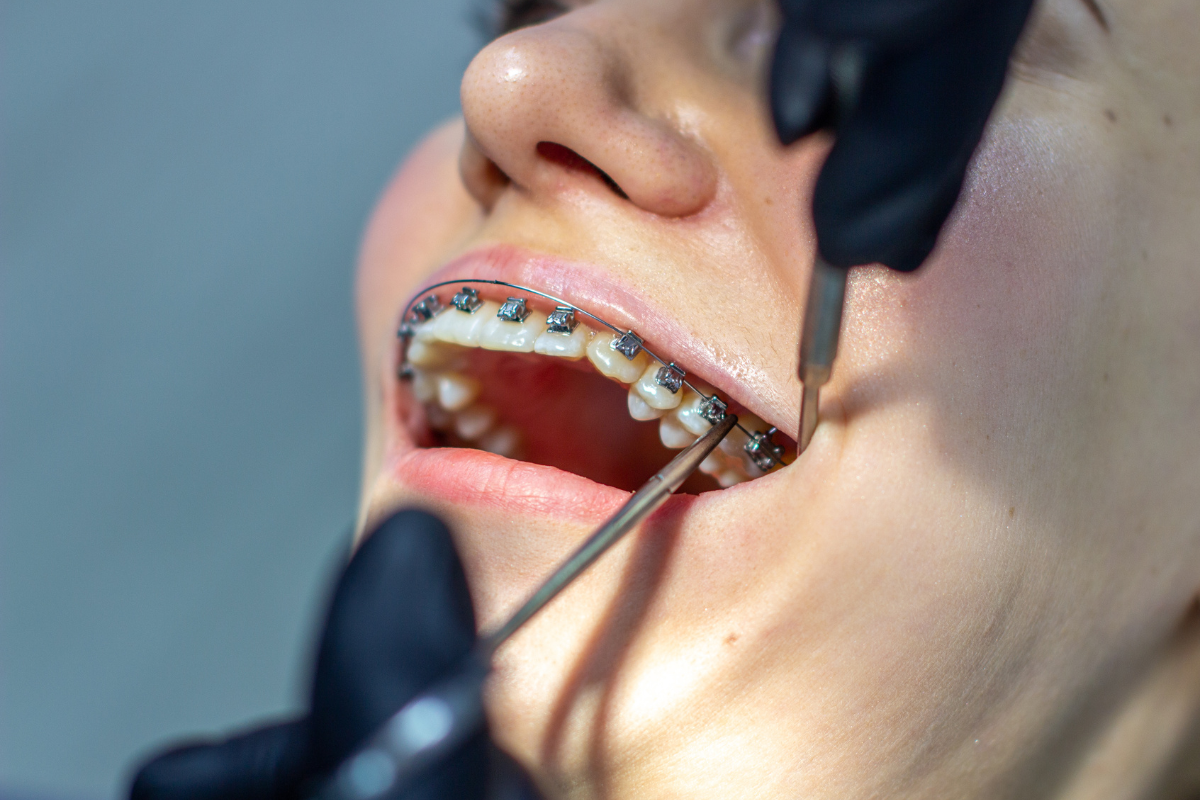
Central Park West Orthodontics, a trusted name in NYC orthodontics, structures the first visit around planning, not just placing brackets. Expect a full orthodontic exam, digital X-rays and photographs, scans or impressions of your teeth, and a walkthrough of your personalized treatment plan and timeline. If your braces go on the same day, plan for the appointment to run somewhere between one and two hours from start to finish.
Does Getting Braces Actually Hurt
Most first-time patients brace themselves for pain that doesn’t really show up the way they expect. The placement itself isn’t painful; there’s no drilling or injections involved. What you will likely feel is mild soreness or pressure for a few days afterward as your teeth begin adjusting to their new positions. That discomfort is temporary and usually manageable with soft foods and over-the-counter pain relief if your orthodontist recommends it.
How to Prepare Before Your Appointment
A bit of prep goes a long way toward making the first week easier:
- Eat a satisfying meal beforehand if your braces are going on the same day, since your teeth may feel tender afterward.
- Brush and floss thoroughly so brackets bond securely to clean, healthy teeth.
- Stock your kitchen with soft foods: yogurt, mashed potatoes, soup, smoothies, scrambled eggs, oatmeal, and pasta all work well for the first few days.
- Write down your questions about cleaning, food restrictions, or adjustment scheduling so nothing gets forgotten in the moment.
What Daily Life With Braces Actually Looks Like
Most patients adjust within a short window, and staying consistent with your orthodontist’s instructions keeps treatment moving on schedule. A few habits matter more than the rest:
- Brush after every meal whenever it’s realistic to do so
- Floss daily using orthodontic flossers or threaders built for the job.
- Steer clear of sticky, chewy, or very hard foods that can damage brackets.
- Wear any rubber bands or additional appliances exactly as instructed.
- Don’t skip scheduled adjustment appointments, even when things feel fine.
Consistency here matters more than any single habit on its own; it’s the combination that keeps treatment on track.
Frequently Asked Questions
- At what age should someone get braces?
Most children have their first evaluation around age seven, though braces themselves may come later depending on how teeth and jaws develop. Adults can start treatment at any age. - How long does braces treatment usually take?
Most treatment plans run between 18 and 24 months, though the exact timeline depends on how complex your specific case is. - What foods should I avoid after getting braces?
Steer clear of hard foods like ice, nuts, and hard candy, plus sticky foods like caramel, gum, and taffy, all of which can damage brackets and wires. - How often will I need orthodontic appointments?
Most patients come in every four to eight weeks so adjustments can be made and progress can be tracked along the way. - What foods are easiest to eat during the first week?
Soft options like yogurt, mashed potatoes, soup, smoothies, scrambled eggs, and pasta tend to be the most comfortable while your teeth adjust.
Starting orthodontic treatment doesn’t have to feel overwhelming once you know what’s actually involved. If you’re looking for an orthodontist NYC families trust, or exploring braces in New York for yourself or your child, Central Park West Orthodontics is ready to answer your questions and guide you through every step with personalized care and clear communication. Contact Central Park West Orthodontics today to schedule your consultation and take the first step toward a healthier, more confident smile.